 Call (844) NO-DISPUTES
What is a Staged Digital Wallet Operator (SDWO)?
An SDWO is a specific type of payment intermediary that holds funds on behalf of customers in a digital wallet before those funds are passed on to a final destination, like a merchant or another financial institution. That "staging" of funds is what sets them apart - and what draws regulatory attention.
If you've ever used an online wallet, a prepaid account, or a consumer app that stores a balance, there's a chance an SDWO was involved somewhere in the transaction chain. Understanding what they are, how they operate, and why they matter gives you a much clearer picture of how modern payments actually work - whether you're a consumer, a business, or a payments professional trying to make sense of compliance obligations.
How a Staged Digital Wallet Actually Works
The name gives you a hint: "staged" refers to the fact that a payment happens in two separate stages instead of one, and each stage is its own transaction, and that structure is what makes this wallet legally and operationally distinct.
In the first stage, the customer loads money into their wallet. They might do this with a debit card, a credit card, or a bank transfer. The payment goes through the SDWO's own merchant account, so the card network only sees one thing: a customer paying the SDWO; that's it. The merchant you're actually buying from is not part of this transaction at all.
The second stage is where the SDWO pays the merchant. This happens separately, using the stored funds in the wallet, and no card is involved. The merchant receives their money, but the original card transaction that funded the wallet is long gone from the picture.
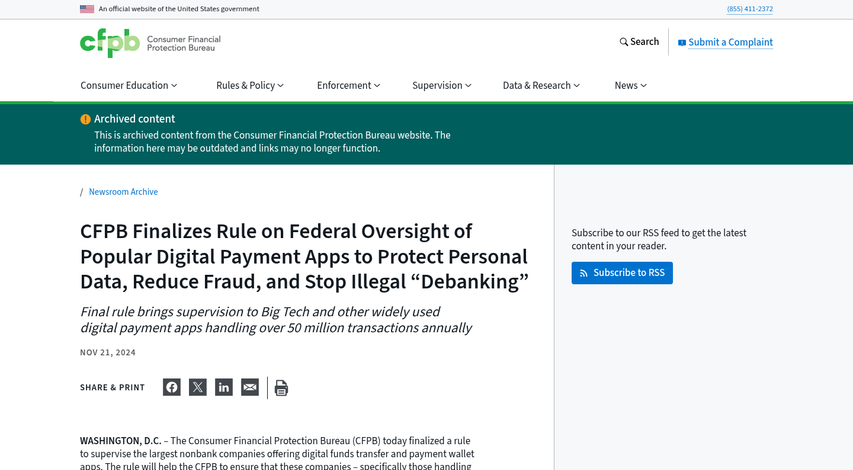
A 2018 overview published via Venable LLP on Lexology laid this out plainly: the SDWO sits in the middle of two payment flows, acting as a merchant in the first transaction and a payer in the second. That middle position is where the regulatory difficulty lives.
Here is an easy way to picture the flow:
- Customer pays the SDWO to load their wallet (card transaction).
- Customer spends from their wallet at a merchant (non-card transaction).
- SDWO pays the merchant from the stored funds.
This two-step structure solves a problem for places that want to manage money across merchants without running every sale through a card network, but it also means the SDWO takes on a level of financial responsibility that a standard payment processor does not. They hold customer funds and make independent payment decisions, which puts them in a very different category.
What Sets SDWOs Apart from Payment Facilitators
The two-transaction model is actually the reason why SDWOs and Payment Facilitators are treated as separate categories. The two models may look similar. But the way money moves between them is fundamentally different.
As of January 21, 2017, Visa made this distinction official in its classification rules. An entity only qualifies as a Payment Facilitator when the seller is a Visa merchant and the payment goes through the Visa acceptance mark. That second part matters quite a bit - the card has to be involved in the payment to the merchant.
With an SDWO, that never happens. The consumer loads funds into the wallet with a Visa card, and that's where the card's role ends. When the consumer pays a merchant, it's a separate transaction that doesn't touch the Visa network at all. The merchant isn't receiving a card payment - they're receiving a transfer from the wallet.
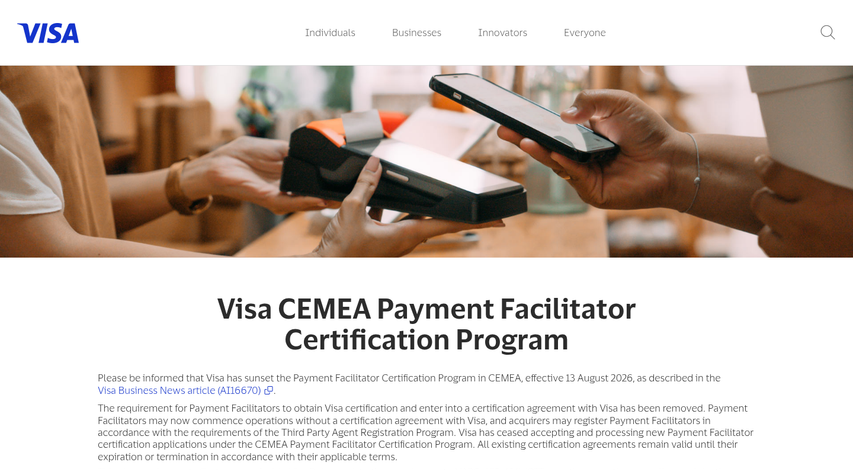
A Payment Facilitator works differently. There, the card stays in the picture all the way through to the merchant, and the merchant operates under the Visa acceptance mark; it's the single transaction flow that defines their model.
| Feature | SDWO | Payment Facilitator |
|---|---|---|
| Transaction structure | Two separate transactions | Single transaction flow |
| Card involved in merchant payment | No | Yes |
| Visa merchant mark required | No | Yes |
This distinction carries real weight. Because the SDWO sits between two separate transactions, it takes on a different responsibility than a Payment Facilitator does - it holds value on behalf of users and manages the flow between two payment events, which puts it in a different regulatory category altogether.
Getting this classification right determines which registration rules and capital requirements apply to your business.
Registration Rules and Capital SDWOs Must Meet
To work as an SDWO, a company has to register with Visa and Mastercard in two separate capacities - as a merchant and as a third-party service provider. That dual registration is not a formality - it goes hand in hand with the fact that SDWOs sit on both sides of the transaction flow.
Visa also sets capital requirements that SDWOs have to meet before they can work. The baseline is $100 million in capital. If an SDWO's annual transaction volume goes past $50 million, that minimum climbs to $500 million.
That is a big jump, and it's worth thinking about why these thresholds are out there. SDWOs hold stored value on behalf of consumers and process large volumes of transactions between users and merchants. The capital requirements are there to protect cardholders and the wider payment network from the fallout if an SDWO runs into financial issues.
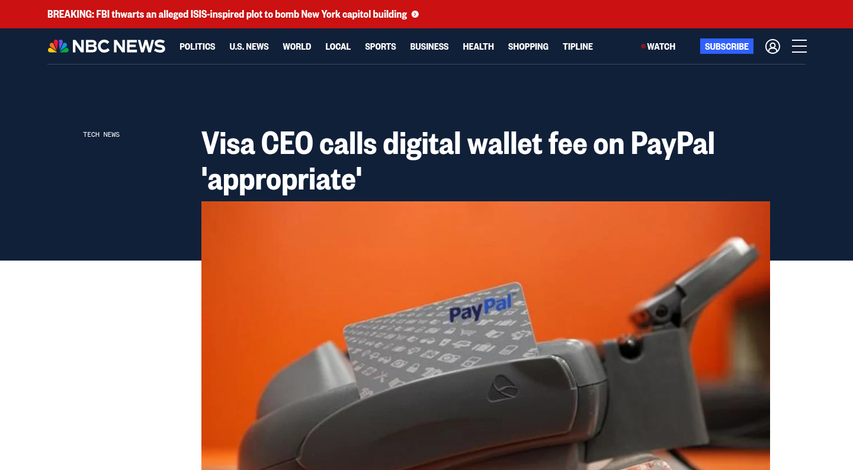
Beyond capital, SDWOs take on a set of standard program obligations. They are responsible for screening and onboarding the merchants that work within their wallet. They have to monitor transactions for fraud and apply dispute resolution processes when something goes wrong. They also carry liability for the activity that happens inside their platform.
Mastercard layers on its own requirements too - like registration fees and compliance with its Digital Wallet Operator program rules. The specifics can vary between the two networks, so SDWOs have to stay on top of both sets of standards independently.
These requirements are the entry price for operating at scale in a regulated payments environment. The registration process, the capital thresholds, and the standard obligations all point to how the card networks treat the role an SDWO plays in the ecosystem.
The 2017 Rule Changes and the Unique Identifier Mandate
The updated SDWO definitions took effect on January 21, 2017, and they brought a concrete technical obligation with them. On October 14, 2017, acquirers were required to tag every SDWO transaction with an identifier in the transaction data they submitted to the card networks.
That identifier is a critical piece of information - it tells the card network which SDWO processed a transaction, so the transaction can be traced back to its source if something goes wrong.
Without it, a disputed charge lands in the system with no trail to follow, and no one can determine which operator handled the payment. That slows down dispute resolution and makes it harder for networks to find patterns that might point to fraud.

Fraud prevention is one of the biggest reasons this mandate exists. Card networks need to monitor transaction behavior across the ecosystem, and they can only do that if the data is labeled. An unlabeled SDWO transaction is basically invisible to the oversight tools the networks use.
For businesses, the stakes of non-compliance are significant. Acquirers that fail to tag SDWO transactions correctly can face scrutiny from the card networks, and the SDWOs they work with can lose their standing in the network. That puts payment operations at risk of disruption.
Consumers are affected too - even if they never see the technical side of it. When a transaction is labeled, a disputed charge can be investigated faster and resolved more accurately. The identifier is what connects a charge on a customer's bank statement to the operator who processed it.
The 2017 timeline gave the industry about nine months to get systems ready after the new definitions took effect. That rollout period reflects how much infrastructure work was needed to make this traceability work reliably at scale.
Who Typically Operates as an SDWO and Why It Matters to You
The businesses that fall into the SDWO category are ones you've probably used before. General-purpose online wallets that let consumers load funds from a card and then pay merchants independently are the clearest example. The wallet sits between the cardholder and the merchant, and that middle position is what defines SDWO status.
Platforms where you store a balance or link a card and then pay businesses directly through the platform's own system are likely operating as SDWOs. The merchant gets paid through the wallet's network instead of directly through your card network.
If you're a merchant or a developer building payment flows, this classification changes a few things worth learning about. Fee structures can look different because the SDWO is running its own layer on top of the card network. Dispute resolution can also get more complicated since multiple parties are mixed up in the transaction chain.
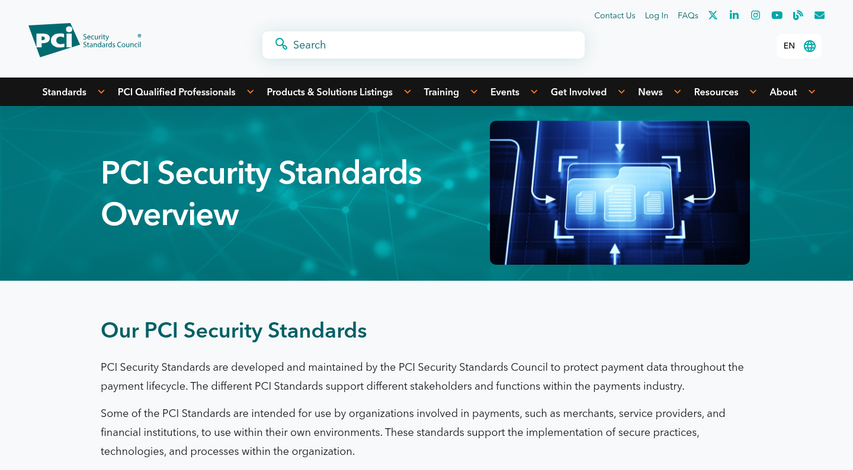
Accountability is another important concern. When something goes wrong with a payment, the SDWO takes on responsibilities that a standard payment processor might not. That includes taking care of chargebacks and maintaining records that trace back to the original card transaction.
For business owners looking at a payment partner, it's worth asking if that partner functions as an SDWO. The answer can affect how transactions are reported, how disputes get escalated, and who is ultimately responsible at each step. A partner operating as an SDWO is not inherently a better or worse choice - it's a different structure with different rules attached to it.
Developers integrating wallet-based payment systems should also get familiar with this. If the platform you're building on top of qualifies as an SDWO, the compliance and data requirements flow downstream to you as well. Understanding the classification first helps you build with the right expectations from the start.
So, Is Your Wallet Playing by the Rules?
Knowing what an SDWO actually is changes how you look at the tools around you. Consumers can make more well-educated choices about which wallets they trust with their funds. Merchants can understand the fee structures and compliance obligations that come with accepting wallet-based payments. Developers and businesses building payment features can find out early if their product will trigger SDWO classification - and plan accordingly.
If you use an online wallet, accept one, or are building one, it's worth asking where the money sits between transactions and who is responsible for it. The answer will tell you more about your your rights, your risks, and your obligations than any terms-of-service page ever will.
FAQs
What does SDWO stand for in payments?
SDWO stands for Staged Digital Wallet Operator. It refers to a payment intermediary that holds customer funds in a digital wallet before passing them to a merchant or financial institution in a separate transaction.
How is an SDWO different from a Payment Facilitator?
An SDWO uses two separate transactions - one to load the wallet, one to pay the merchant - and no card is involved in the merchant payment. A Payment Facilitator keeps the card involved throughout a single transaction flow.
What capital requirements must SDWOs meet?
Visa requires SDWOs to hold a minimum of $100 million in capital. If annual transaction volume exceeds $50 million, that minimum increases to $500 million.
What is the SDWO unique identifier mandate?
From October 14, 2017, acquirers were required to tag every SDWO transaction with an identifier in submitted transaction data, allowing card networks to trace transactions back to the correct operator for fraud monitoring and dispute resolution.
Does SDWO classification affect merchants and developers?
Yes. Merchants may face different fee structures and more complex dispute processes. Developers building on SDWO platforms may inherit compliance and data requirements, making it important to identify the classification before building payment integrations.