 Call (844) NO-DISPUTES
What is a Credit Card Void?
Understanding how voids work can save you time and frustration when dealing with merchants, disputed charges, or accidental purchases. Whether you're a cardholder trying to sort out a billing issue or a business owner taking care of transactions, learning about the mechanics behind a void - and how it's different from a refund - puts you in a much stronger position.
I'll break down what a credit card void is, how the process works, and when it applies to your situation.
How a Credit Card Void Actually Works
When you void a credit card transaction, you're canceling it before any money moves. No funds leave the customer's account and no funds reach the merchant. The transaction is stopped at the authorization stage, which is earlier in the process than most people realize.
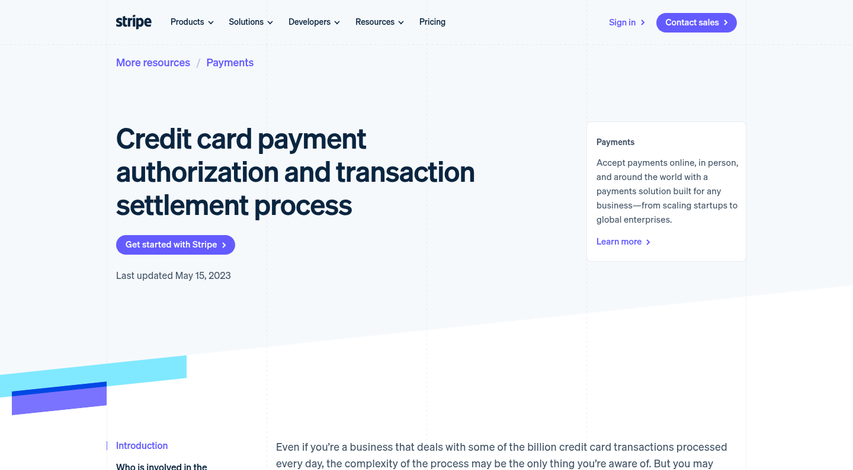
The important thing to know is that credit card transactions don't settle instantly. When a card is charged, the merchant's payment system sends an authorization request to the card network, which puts a hold on the funds. The movement of money happens later, during a process called batch settlement.
Most merchants process their settlements at the end of each business day. All the authorized transactions from that day get bundled together and sent to the payment processor to finalize. A void has to happen before that batch closes - once settlement runs, the transaction has already moved into the financial system and a void is no longer possible.
That's why timing matters. The window to void a transaction is tied directly to when the merchant settles their batch. For businesses, that's a tight window of just a few hours after a transaction takes place.
On the customer's side, a successful void usually disappears from their account within 24 hours. The hold that was placed at authorization basically drops away and it's as if the charge never happened. In some cases, depending on the bank, that hold can sit around for as long as four business days before it clears.
The four-day outer limit isn't a universal rule - it's more of a general range that reflects how different banks manage pending authorizations. Some clear them faster, some take a little longer. The 24-hour window is more common for voids processed before settlement.
A void only works on a pending transaction. Once a charge has settled and posted to the account, it can't be undone the same way; it's a different process entirely and the mechanics behind it work quite differently - which is what the next section covers. If you're dealing with a hold that won't release, see our guide on pre-authorization holds vs. captures for more detail.
Voids vs. Refunds - What's the Difference and Why It Matters
A void and a refund might feel like the same thing. But they work very differently depending on when the action happens. A void cancels a transaction before it ever settles, which means money never actually moves. A refund happens after the payment has already gone through and funds have transferred.
Consider this scenario. You buy something online, then immediately know you ordered the wrong item. If the merchant cancels it before the payment settles, that's a void - and your card is charged nothing. If they cancel it the next day after settlement, that can become a refund, and the money has to travel back to you.
| Factor | Void | Refund |
|---|---|---|
| When it happens | Before settlement | After settlement |
| Processing fees charged | No | Yes |
| Time to resolve | Up to 24 hours | Several business days |
The processing fees column in that table is worth mentioning. When a transaction settles, the merchant pays interchange fees to the card networks involved. A refund doesn't recover those fees, so the merchant absorbs that cost. A void sidesteps the whole process before any fees get charged.

That's why merchants prefer voids whenever the timing allows for it. The process is cleaner, faster, and cheaper for everyone involved.
From a cardholder's perspective, the timing difference can also affect what you see on your statement. A voided transaction will disappear from your pending charges within roughly 24 hours. A refund, once a charge has posted, can take a few business days to show up as a credit - and your balance won't reflect it until then.
That's the part that confuses many people. If a merchant tells you they've cancelled your order but you still see the charge days later, it may be a refund in transit instead of a processing error. Knowing the difference helps you decide whether to wait it out or follow up with your card issuer.
Credit Card Holds and How They Tie Into Voids
Closely connected to voids is the concept of a credit card hold - also called a pre-authorization or pending charge. A hold freezes a part of your available funds without actually completing a charge - it's the card network's way of reserving money while the final amount gets confirmed.
Hotels and gas stations are the most familiar examples of this. A hotel might place a $200 hold on your card at check-in to cover possible incidentals - even if your final bill ends up being less. A gas pump places a hold on your card, sometimes for a fixed amount like $100, before it knows the final total.
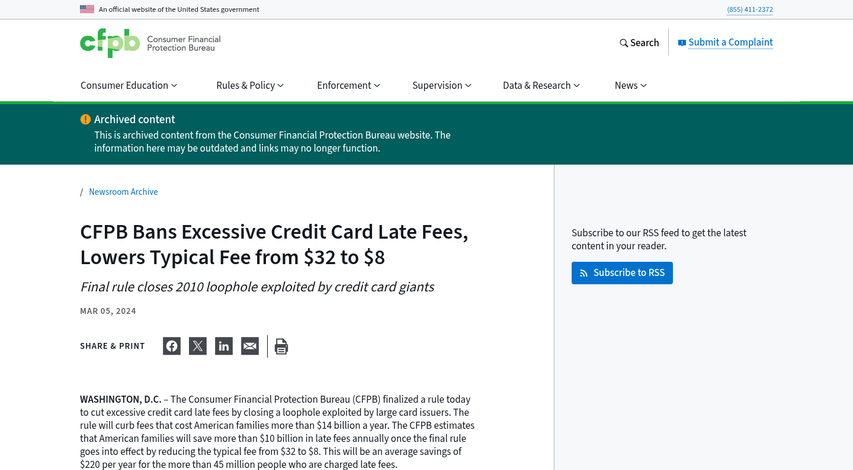
How long a hold lasts can depend on the card type. Credit card holds can stay in place for as long as 30 days before the network automatically releases them. Debit card holds resolve much faster - usually within 24 to 48 hours - because they tie directly to your bank balance instead of a credit line.
| Card Type | Typical Hold Duration |
|---|---|
| Credit Card | Up to 30 days |
| Debit Card | 24-48 hours |
This is where voids become relevant to holds. If a merchant needs to cancel or adjust a hold before it expires naturally, they can void it - this releases the frozen funds back to the cardholder without waiting for the hold period to run out on its own.
The tough part is that a hold will not necessarily disappear on its own without any action from the merchant. In some cases it does - but the timeline can be frustratingly long. If a hotel cancels your reservation and fails to void the hold, that $200 could stay tied up on your card for weeks.
A void is also the tool merchants use to actively release a hold instead of leaving it to expire. That distinction matters because it changes what you might look for when funds seem to be stuck on your account. If you believe a hold was mishandled, you may have grounds to file a pre-authorization hold dispute.
When and How Merchants Can Void a Transaction
For merchants, timing is everything. A void can only happen before the day's batch of transactions is processed and sent to the bank, which usually happens at the end of the business day. Once that window closes, the transaction settles and a void is no longer possible - a refund can become the only path forward.
To void a transaction in time, a merchant goes into their payment terminal or point-of-sale software and locates the transaction they want to cancel. Most systems make this easy with a simple void or cancel option. The process takes seconds, and the authorization is released without any money ever changing hands.
Common Situations That Call for a Void
There are a handful of scenarios where voiding a transaction is the right move. These come up regularly in day-to-day business operations.
- A customer was charged twice for the same purchase
- The wrong amount was entered at checkout
- A customer cancelled their order before it was fulfilled
- A transaction was flagged as potentially fraudulent
In each of these cases, catching the problem before batch processing closes saves the merchant and the customer hassle. A refund after settlement can take a few business days to show up - a void prevents the charge from ever posting.
What Happens If the Window Is Missed
Missing the void window doesn't leave customers without options. If a charge posts that was unauthorized or incorrect, cardholders have up to 60 days from the statement date to dispute it through their card issuer. That dispute process is a separate path, but it gets the job done.
From the merchant's side, a missed void means processing a refund instead. Refunds take longer to appear in the customer's account and they go through a different process entirely - the funds have to travel back instead of just being released. Staff training to catch errors before close of day keeps things running smoothly for everyone involved.
Merchants who use modern payment software can also set up alerts or end-of-day review steps to catch any transactions worth a second look before the batch closes.
Voiding the Confusion - Key Takeaways Before You Go
Keep these quick tips in mind the next time you have to act fast:
- Check your pending transactions regularly. If you notice an incorrect or suspicious charge, contact your bank or the merchant immediately - pending charges are far easier to void than settled ones.
- Merchants should train staff to void same-day errors promptly. A duplicate charge or keying mistake caught before end-of-day settlement prevents unnecessary fees and keeps customers happy.
- When in doubt, ask. If you are unsure whether a charge has already settled, your payment processor or bank can tell you its current status so you know whether a void or a refund is the right next step.
Understanding the difference between a void and a refund puts you in control of your finances and transactions. Now that you know what to look for and when to move, you are well equipped to manage these confidently - before a small mistake turns into a longer wait.
FAQs
What is a credit card void?
A credit card void cancels a transaction before it settles, meaning no money ever moves between the customer and merchant. It can only be processed during the authorization stage, before the merchant's daily batch settlement runs.
How is a void different from a refund?
A void stops a transaction before settlement so no funds transfer. A refund reverses a charge after it has already settled, requiring money to travel back to the cardholder, which takes several business days.
How long does a voided transaction take to disappear?
A successfully voided transaction typically disappears from your account within 24 hours. In some cases, depending on your bank, the authorization hold may take up to four business days to fully clear.
When can a merchant no longer void a transaction?
A merchant can only void a transaction before their daily batch settlement closes, usually at the end of the business day. Once settlement runs, the transaction has posted and a refund becomes the only option.
Can a void release a credit card hold early?
Yes. Merchants can use a void to actively release a pre-authorization hold before it expires naturally. Without a void, credit card holds can remain in place for up to 30 days.