 Call (844) NO-DISPUTES

4831: Transaction Amount Differs
Falling under the Point-of-Interaction Error category, 4831 is triggered when the amount charged to a cardholder's account doesn't match the amount they authorized at the time of the transaction - it sounds simple, but the causes behind it - and the steps to resolve it - are worth exploring in detail, if you're a merchant trying to protect your revenue or a cardholder trying to make sense of a dispute.
I'll break down everything you'll need to know about reason code 4831: what qualifies as a valid chargeback under this code, the most common reasons these mismatches happen, what merchants can do to fight back when the dispute isn't legitimate, and how to avoid the issue from coming up.
What Mastercard Reason Code 4831 Actually Means
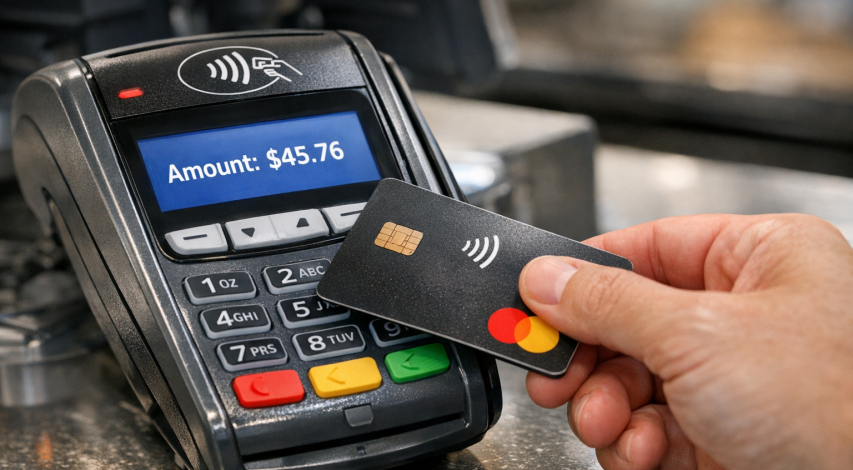
Reason code 4831 applies when the amount charged to a cardholder's account doesn't match the amount they agreed to pay. The cardholder authorized a dollar amount at the point of sale and a different amount got billed to their card.
This reason code falls under Mastercard's Point-of-Interaction Error category. That category groups together disputes where something went wrong at the moment of the transaction itself, instead of problems like fraud or items not being received. So 4831 is less about intent and more about a transactional mistake that happened at the register, terminal, or checkout page.
The mismatch can happen in a few ways. A merchant might process the wrong amount by accident, or a system error might change the total between authorization and settlement. In some cases, extra charges get added after the fact without the cardholder's knowledge, like a tip or a fee that wasn't disclosed.
It's worth knowing that 4831 is now obsolete. Mastercard retired it and directed issuers to use reason code 4834 instead for this type of dispute. That change doesn't make 4831 irrelevant to know, because older records and documentation still reference it and the underlying dispute scenario hasn't changed at all.
Here is a quick look at the important facts connected with 4831:
| Attribute | Detail |
|---|---|
| Reason Code | 4831 |
| Reason Code Name | Transaction Amount Differs |
| Category | Point-of-Interaction Error |
| Core Dispute | Charged amount doesn't match the authorized amount |
| Status | Retired / Obsolete |
| Replaced By | Reason Code 4834 |
The helpful takeaway is that 4831 and 4834 describe the same problem. What 4831 covered gives you a good foundation for what disputes under 4834 look like.
Why 4831 Was Retired and What Replaced It
Mastercard periodically reviews its dispute framework and consolidates codes that overlap or cause uncertainty. Code 4831 was retired as part of a wider effort to simplify how transaction amount errors are categorized and processed.
The replacement is reason code 4834, which now covers all disputes where the amount charged does not match what the cardholder authorized. It functions the same way at its core, but it sits within a cleaner, more organized system. One number that matters to know: cardholders have 90 calendar days from the transaction processing date to file a dispute under 4834.
That 90-day window matters because it tells you how long your exposure lasts after a transaction is processed. If no dispute comes in within that period, the window closes and the transaction stands.
To see where 4834 fits, it helps to know the structure Mastercard uses. The full dispute system is built around 21 reason codes grouped into four categories.
| Category | What It Covers |
|---|---|
| Fraud | Unauthorized transactions where the cardholder did not participate |
| Authorization | Transactions processed without proper approval from the card network |
| Point-of-Interaction Error | Errors made at the point of sale, including incorrect amounts |
| Cardholder Disputes | Disagreements about goods, services, or credits not received |
Code 4834 lives in the Point-of-Interaction Error category alongside other codes that deal with processing mistakes. This placement is deliberate. An incorrect charge is treated as an operational error instead of a fraud event or a service dispute.
That distinction shapes how both sides of a dispute respond to it. A chargeback filed under 4834 signals a processing problem, which means the merchant's response should include transaction records and authorization data instead of fraud prevention tools.
The category helps merchants pull the right documentation and respond with confidence. The code identifies what went wrong, and the category tells you which chapter of the rulebook applies.
Common Scenarios That Trigger This Type of Dispute
Transaction amount mismatches happen in more ways than one. Some are technical, some are human error, and a few are just bad timing between systems that don't talk to each other well enough.
Tip adjustments are one of the most common culprits, and that's especially the case in restaurants. A cardholder approves a base amount at the table, then a tip gets added afterward - and if that final total doesn't match what the cardholder expected or authorized, a dispute follows. This is especially common when handwriting is hard to read and the wrong number gets entered.
Currency conversion is another area where things go wrong quietly. A cardholder makes a purchase in a foreign currency and gets charged in their home currency, but the conversion rate used by the merchant's processor is different from what the cardholder's bank applied. The result is two different numbers on two different statements, and the cardholder disputes the difference. If this sounds familiar, an incorrect currency conversion dispute may be the right path forward.

Duplicate charges are simple but worth mentioning. A system glitch, a double-tap at checkout, or a retry after a failed payment can all cause a cardholder to be charged twice for the same transaction. Even if the merchant only meant to collect once, both charges may go through.
Pre-authorization holds are a less obvious trigger. Hotels, car rentals, and gas stations frequently place a hold for an estimated amount and then settle for a different one. If the final charge lands higher than the cardholder expected and they weren't informed of the initial estimate, a dispute is a natural response.
Software and integration errors round out the list. A checkout platform that rounds decimals differently, a POS update that misreads price data, or a failed sync between a store and a payment gateway can all send the wrong amount to the processor. The cardholder gets charged accurately by the system - just not accurately by the merchant's intentions.
Any of these could be happening in your own transactions right now. A tip entry workflow that no one has audited, a currency display that doesn't match what gets settled, or a pre-auth process that cardholders never see explained - these are the types of gaps that generate disputes before anyone notices a pattern.
The Dispute Timeline and How the Response Process Works
Once a cardholder files a dispute under reason code 4831, the process moves on a set timeline. The acquirer or merchant has 45 days to respond to the chargeback, and that window goes by faster than expected.
The response itself needs to be more than just a pushback. Merchants need to show the bank that the amount charged was correct. That the cardholder agreed to it. The strongest replies combine a few important pieces of documentation.
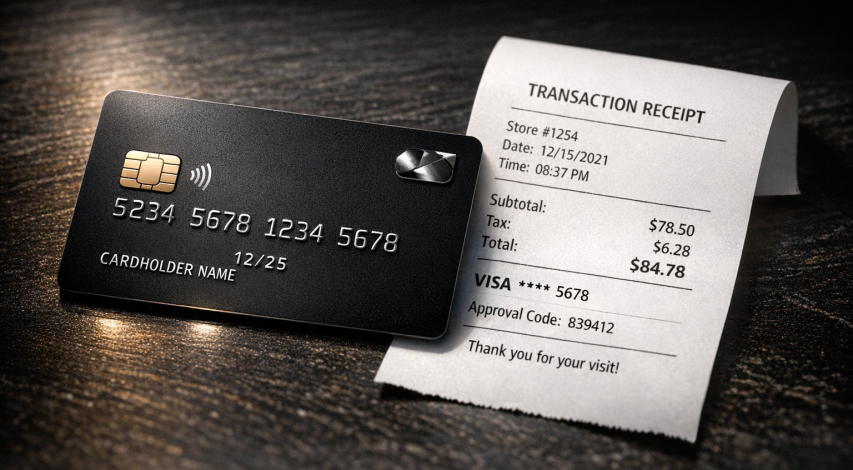
A copy of the original receipt is a starting point. Authorization records showing what the cardholder approved at the time of the transaction carry weight too. If there was a signed agreement or a contract that outlined the charge - like for a subscription or recurring billing arrangement - that's worth including as well.
It's worth learning about where the cardholder's right to dispute actually comes from. The Fair Credit Billing Act of 1974 gives consumers a legal right to challenge charges on their billing statements that they believe are incorrect. This law is part of why banks take these disputes seriously and why merchants need to respond with actual evidence.
From the cardholder's side, the process starts with a call or message to their card issuer. The bank reviews the claim and decides whether to pass it back to the acquirer as a formal chargeback. At that point the merchant gets notified and the 45-day clock starts.

Merchants who respond with documentation have an actual chance of winning the dispute. A response that's missing records or that doesn't directly address the amount in question is likely to go the cardholder's way. Banks aren't looking for a long explanation - they want proof. Merchants should also understand what happens if you never reply to a credit card dispute at all.
One thing that helps merchants is keeping complete records at the time of every transaction instead of scrambling to find them later. Authorization records in particular are easy to forget until you need them. Having those files organized and accessible makes the 45-day window feel more manageable. A clear and recognizable billing descriptor can also reduce disputes before they start.
Both sides of this process have a defined role. Cardholders have the right to question what they were charged, and merchants have the right to defend a legitimate transaction with evidence. The outcome usually depends on who has the better paper trail.
Keeping Your Transactions Tight and Dispute-Free
Disputes are not the end of the world. The chargeback process exists to protect everyone involved, and how it works removes a lot of the anxiety that comes with it. Whether you are responding to a claim or filing one, documentation and prompt action are your strongest tools. The system rewards people who pay attention.
The simplest takeaway is this: accuracy at the point of sale and vigilance after the transaction are the most helpful defenses available. Stay well-educated, keep your records clean, and treat every transaction as worth doing right the first time.
FAQs
What is Mastercard reason code 4831?
Mastercard reason code 4831 is triggered when the amount charged to a cardholder's account doesn't match the amount they authorized at the time of the transaction. It falls under the Point-of-Interaction Error category.
Is reason code 4831 still active?
No, reason code 4831 has been retired by Mastercard and replaced by reason code 4834, which covers the same dispute scenario of transaction amount mismatches.
What commonly causes a 4831 dispute?
Common causes include tip adjustments entered incorrectly, currency conversion discrepancies, duplicate charges, pre-authorization hold differences, and software or integration errors that send the wrong amount to the processor.
How long do merchants have to respond?
Merchants have 45 days to respond to a chargeback. Cardholders have 90 calendar days from the transaction processing date to file a dispute under the replacement code 4834.
What documentation helps merchants win these disputes?
Merchants should submit the original receipt, authorization records showing the approved amount, and any signed agreements outlining the charge. Strong documentation directly matching the disputed amount gives the best chance of winning.