 Call (844) NO-DISPUTES
What is a Credit Card Dispute Window?
The credit card dispute window is the limited timeframe a consumer has to challenge a fraudulent or incorrect transaction with their bank to reverse a chargeback. How it works can make the difference between getting your money back and absorbing a loss you shouldn't have to take.
The laws around dispute windows mean your card issuer, federal law, and in some cases the card network itself each set their own timeframes and requirements, and they don't always line up neatly. Knowing which laws apply to your situation - and when the clock starts ticking - puts you in a much stronger position if something goes wrong with a transaction.
The Basic Rule: How Long You Have to Dispute a Charge
Federal law gives you 60 days to dispute a charge on your credit card statement. That rule comes from the Fair Credit Billing Act, which sets the baseline protection for credit card users across the country. Card networks like Visa and Mastercard can build on top of this, but the FCBA is the foundation everything else rests on.
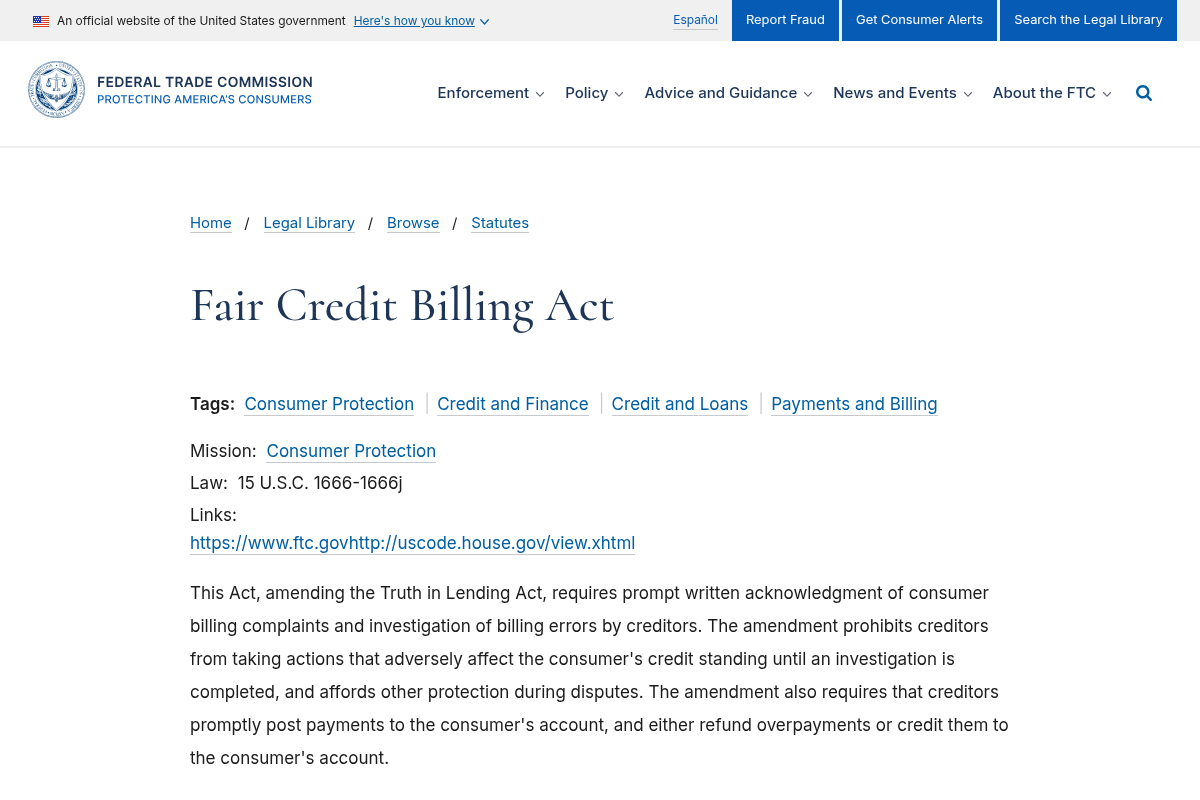
The 60-day clock starts from the date your billing statement was sent - not the date of the transaction itself. So if a charge appears on your January statement, the window opens from the date that statement was issued. This trips people up because a charge might sit unnoticed for weeks before the statement even arrives.
Your billing date is the day your card issuer closes your monthly billing cycle and generates your statement - it's not the day you receive it in the mail or view it online. That distinction matters because the 60-day countdown begins at statement generation, not when you check your account.
Under the FCBA, your liability for unauthorized charges is capped at $50. In practice, most card issuers cover the full amount and you pay nothing for fraudulent transactions you report in time. That $50 cap is the legal floor - not a guarantee from your bank.
The 60-day rule applies to billing errors and unauthorized charges but not every complaint you might have. A dispute about the quality of a product or service falls under a separate part of the FCBA with its own conditions attached. The next section covers how individual card networks manage timelines and where they extend the federal baseline.
How Visa, Mastercard, and Amex Each Handle Dispute Timelines
The FCBA sets a federal floor, but card networks can go further - and they do. Visa, Mastercard, and American Express each run their own dispute systems with their own timelines, and those windows are usually more generous compared to what federal law requires.
Visa gives cardholders up to 120 days from the transaction date to file a dispute for most problems. That said, a shorter 75-day window applies to some dispute types, like cases where you didn't receive a credit that was promised - it pays to check which category your dispute falls into rather than assume you have the full 120 days.
Mastercard works a little differently. Rather than one big window from start to finish, it uses a 45-day response window at each stage of the chargeback process. The clock resets at every step, and it gives the cardholder and the merchant time to respond as the case moves forward.
American Express also uses a 120-day window, measured from the transaction date. Amex has a more streamlined dispute process compared to Visa and Mastercard since it usually acts as the card network and the issuing bank at the same time.
| Network | Standard Dispute Window | Special Conditions |
|---|---|---|
| Visa | 120 days from transaction date | 75-day window applies to some dispute types (e.g. missed credits) |
| Mastercard | 45 days per chargeback stage | Window resets at each stage of the process |
| American Express | 120 days from transaction date | Amex typically acts as both network and issuer |
Your card's network is printed right on the front, so it's easy to check which rules apply to you. Remember that your card issuer may also set its own internal deadlines that are shorter than the network allows.
What Counts as a Valid Dispute (and What Doesn't)
Not every charge you want off your statement is one you can dispute. There are actual, defined reasons that card networks accept and ones they don't.
The strongest cases for a dispute are unauthorized charges - meaning someone used your card without your permission. Right alongside those are billing errors, like being charged twice for the same purchase or seeing an amount that doesn't match your receipt. You can also dispute a charge when a product never arrived or a service was never delivered after you paid for it.
What won't hold up is buyer's remorse. If you bought something, received it, and just decided you don't want it anymore, that's a return situation - not a dispute. The same goes for a subscription charge you forgot you signed up for. Card networks can see merchant agreements and recurring billing records, so a charge you technically authorized will be hard to overturn.
The gray area trips people up. A charge from an unfamiliar merchant name isn't automatically fraud - it could be a parent company name or a third-party processor. Before you file, it's worth a quick search to check if the name connects to something you actually bought.
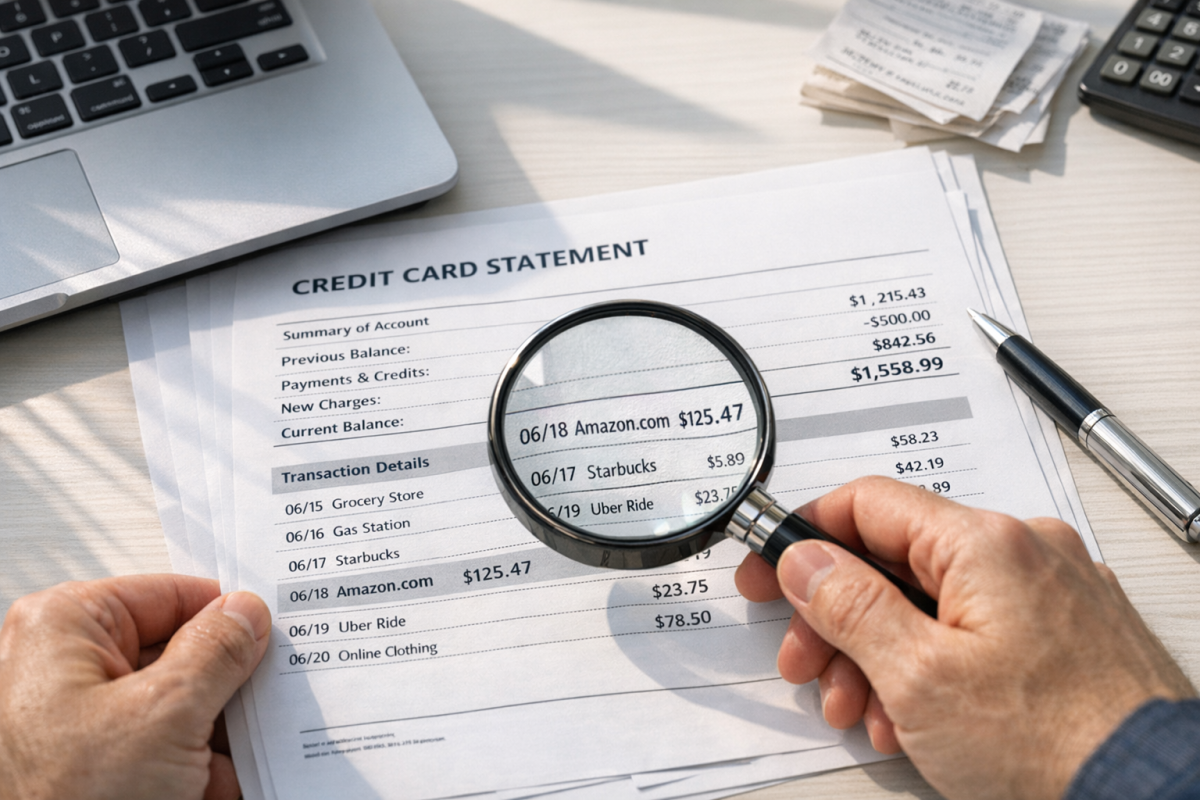
Disputes also get denied when a cardholder skips the merchant first. Most card networks expect you to try to resolve the problem directly before escalating to a dispute. If you haven't contacted the merchant and given them a chance to fix it, your case starts on shaky ground.
There's also a difference between a dispute and a chargeback for "not as described" claims. These can go either way depending on the evidence. A blurry photo versus a product listing gives you a better shot than a vague complaint about quality. The more documented your claim is, the more weight it carries when your bank reviews it.
What Happens After You File a Dispute
Once you submit a dispute, your card issuer is on a legal clock. Under the Fair Credit Billing Act, they have 30 days to acknowledge your claim and up to 90 days to resolve it or give you a written explanation of why they won't.
In a lot of cases, your issuer will apply a provisional credit to your account fairly quickly - a temporary reversal of the charge while the investigation runs its course. It's not a guarantee that you'll win - it's a way to keep you from sitting on a charge you're actively contesting.
On the other side of that dispute, the merchant gets a chance to respond. They can accept the chargeback or push back with documentation - things like a signed receipt, a delivery confirmation, or records of communication with you. Your issuer weighs both sides before making a final call.
The possible results are simple. If the dispute is decided in your favor, the provisional credit can become permanent. If it goes against you, the charge is restored and you'll get a written explanation. You do have the right to appeal, though the process for that can depend on your card issuer.
Most disputes wrap up well within the 90-day window, but there's a longer timeline worth learning about. In tough fraud or non-delivery cases, some protections can extend as far as 540 days from the transaction date - rare, and applies to a narrow set of circumstances, so you shouldn't count on it - but it's good to know the window isn't always that tight.
| Milestone | Timeline |
|---|---|
| Issuer acknowledges your dispute | Within 30 days |
| Issuer resolves or explains the dispute | Within 90 days |
| Extended window for complex cases | Up to 540 days from transaction |
Mistakes That Can Kill Your Dispute Before It Starts
The most common way to lose a dispute has nothing to do with the merits of your case. You basically wait too long. Life gets busy and a charge that looks wrong can become undisputable in a matter of weeks if you don't act on it.
One thing first-timers miss is that the dispute window doesn't start when you see a charge - it starts from the date on your statement. So if a charge appeared on last month's statement and you only just saw it, you might have less time - it's worth checking that statement date to make sure you're still within the window.
Another easy mistake is disputing the wrong charge. If you file a dispute against a transaction but reference the wrong amount or the wrong date, your bank might not be able to match it to what's on file. Double-check the exact charge before you file - not after.
Documentation matters more than expected at this stage. Before you file, take a screenshot of the charge, note the transaction date and write down any contact you've already had with the merchant - this gives your bank something concrete to work with and makes the whole process faster.
It also helps to know which type of dispute you're filing. Unauthorized charges and billing errors are handled differently and the wrong category can slow things down or weaken your case. Your card issuer's dispute form will usually cover this, but it's best to go in already knowing what happened.
If you've already missed a window on a past charge, that's frustrating, but it happens. What you can do now is build a habit of looking over your statements each month so nothing slips through. A quick scan once a month is all it takes to catch a problem while you still have time to do something about it. Keep in mind that never replying to a dispute can have serious consequences on the merchant side as well.
Know Your Window - and Use It
The most important habit you can build is checking your statements. Errors and unauthorized charges don't always look obvious, and waiting too long can mean losing your right to dispute altogether. A quick monthly review of your transactions takes just a few minutes and can save you from an expensive mistake later.

If you find something that doesn't look right, don't pause - act fast, collect your documentation, and contact your card issuer. Disputing a charge is a right you've been given for a reason. You have the tools, the timelines, and what to do with them. If you're dealing with a specific situation like a car rental damage dispute, having the right template ready can make the process much smoother.
FAQs
How long do I have to dispute a credit card charge?
Federal law gives you 60 days from your statement date to dispute a charge under the Fair Credit Billing Act. Card networks like Visa and American Express extend this to 120 days from the transaction date.
When does the credit card dispute window start?
The 60-day window starts from the date your billing statement was generated, not when you viewed it or when the transaction occurred. This means you may have less time than you think if you check statements late.
What charges can I legally dispute on my card?
Valid disputes include unauthorized charges, billing errors, duplicate charges, and undelivered goods or services. Buyer's remorse, forgotten subscriptions, and charges you authorized generally don't qualify for a dispute.
How do Visa, Mastercard, and Amex dispute windows differ?
Visa and Amex both allow 120 days from the transaction date, though Visa has a shorter 75-day window for certain cases. Mastercard uses a 45-day response window that resets at each stage of the chargeback process.
What happens after I file a credit card dispute?
Your issuer must acknowledge your dispute within 30 days and resolve it within 90 days. A provisional credit is often applied to your account while the investigation is ongoing, though it's not a guaranteed win.