 Call (844) NO-DISPUTES
What is Device Fingerprinting in Fraud Prevention?
Device fingerprinting gives businesses a way to find harmful returning users - like bad actors - without relying on information that can be changed or spoofed, like an IP address or a username.
I'll break down how device fingerprinting actually works, why it matters in a fraud prevention context, and what its real-world limitations look like. Whether you're looking at fraud tools for your platform or just trying to know what's going on under the hood, here's what you need to know.
How Device Fingerprinting Actually Works
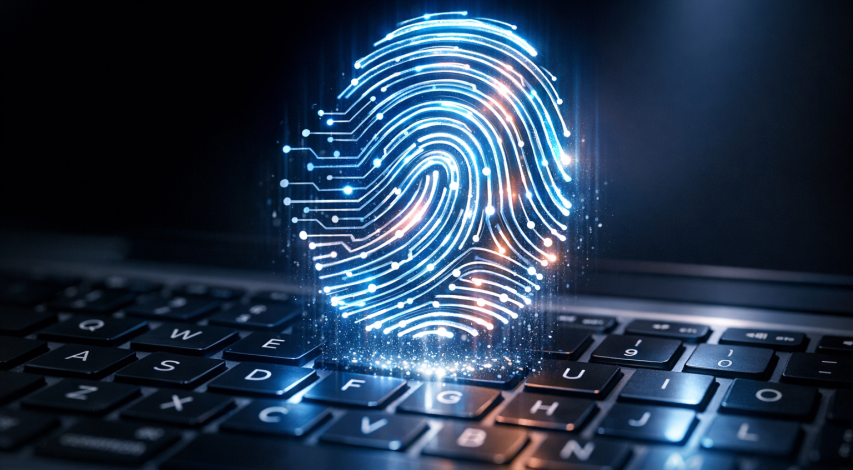
Every device that connects to the internet leaves behind a trail of technical facts. A device fingerprint is what you get when you collect enough of the facts together - browser type, screen resolution, installed fonts, time zone, language settings, hardware configuration, and more. Individually, none of these feel like much. Together, they create a profile that's remarkably hard to duplicate.
The Electronic Frontier Foundation ran a project called Panopticlick that tested this idea at scale - it found that 94% of the browsers it analyzed were specifically identifiable just from these passive tells - no login, no tracking cookie needed.
Here is a quick look at some of the attributes that go into a fingerprint and what each one tells a fraud system:
| Device Attribute | What It Reveals |
|---|---|
| Browser type and version | Software environment and update behavior |
| Screen resolution | Hardware model or device class |
| Installed fonts | OS version and software history |
| Time zone and language | Geographic location and locale |
| Graphics card rendering | Device hardware signature |
The reason this combination is so helpful in fraud prevention is that it's passive. A user doesn't submit a fingerprint the way they submit a password - the system collects it automatically during a normal session. That makes it much harder for anyone to tamper with.
A password is easy to change. To convincingly fake a device fingerprint, you'd need to spoof dozens of independent tells in a way that matches a plausible real-world device; it's a much higher bar to clear, which is why fraud systems find it so helpful as a layer of verification.
What Device Fingerprinting Catches That Passwords Miss
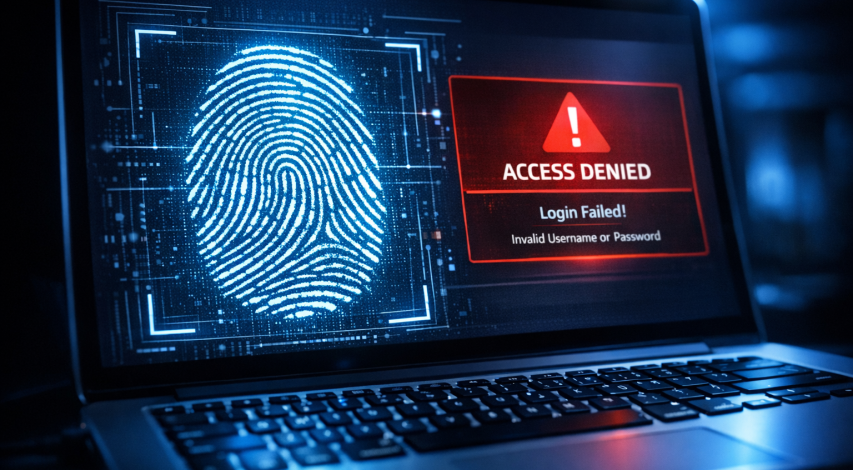
Passwords confirm identity. Device fingerprinting confirms context. That difference matters quite a bit when someone has the right credentials but is logging in from a device that's never been seen before, in a location that doesn't fit, on a browser configuration that looks nothing like the actual user's setup.
That's the gap passwords can't close on their own.
Here are the fraud types device fingerprinting is built to catch.
- Account takeovers - A fraudster uses stolen login details but logs in from an unrecognized device. The credentials check out, but the device doesn't match any previous session for that account.
- Synthetic identity fraud - Fake identities are assembled from real data fragments. These accounts are often created across multiple devices in quick succession, and fingerprinting can flag that pattern.
- Card testing - Fraudsters run small transactions to check if a stolen card works. These attempts often come from the same device in a short window, which fingerprinting can link together even if different accounts are used.
- Bot attacks - Automated scripts mimic human behavior to take over accounts or scrape data. Their device signals are often inconsistent in ways that real browsers aren't.
The numbers from actual deployments back this up. Fraud prevention platforms using device fingerprinting have intercepted over 6 million high-danger orders and flagged more than $14 million in suspicious transactions. Those aren't edge cases - they're the load that fingerprinting works with in the background.
What makes it helpful is that it doesn't use what a user knows or has - it looks at what their device is. A fraudster can buy a password on a dark web marketplace, but they can't immediately replicate the full technical profile of the device that password belongs to.
That's a real barrier, and one that authentication alone has never been able to build.
The Rise of Fingerprint Spoofing and Evasion Tactics
Fraudsters know device fingerprinting exists, and many have spent actual time learning to work around it. It's not a small or fringe problem - it's a growing part of how fraud rings work at scale.
Desktop browser tampering nearly doubled between 2024 and 2025, jumping from 2.6% to 4.4% of identification events. That growth in a single year tells you that more bad actors are actively manipulating the tells that fingerprinting relies on. At the same time, VPN usage touched 1 in 5 identification events in 2025, which means a large share of traffic now comes with a deliberately obscured location.
These tactics each target something different, and it helps to see that laid out plainly.
| Evasion Method | What It Tries to Hide |
|---|---|
| Browser spoofing | Device type, browser version, or installed plugins |
| VPN or proxy use | Real IP address and geographic location |
| Virtual machines | The underlying hardware and operating environment |
| Anti-fingerprint browsers | Canvas, font, and audio rendering signals |
What makes coordinated fraud rings especially concerning is that they share tooling. One group finds a way to spoof a canvas fingerprint. That technique spreads faster across the network - it stops being a one-off workaround and can become standard practice.
None of that means device fingerprinting loses its value. But treating any single signal as a definitive answer is a mistake. A spoofed device can still leave inconsistencies elsewhere - mismatched time zones, behavioral anomalies, or network tells that don't line up. Understanding how card network rules shape fraud responses can help merchants think more clearly about where their exposure actually sits.
The technology and the attempts to defeat it are moving forward at the same time.
Where Device Fingerprinting Fits Inside a Fraud Stack
Device fingerprinting doesn't work alone - it sits inside a wider fraud stack alongside tools like multi-factor authentication, behavioral biometrics and danger scoring. That combination is where the actual protection comes from.
Think of it as one input in a bigger choice. When a user logs in, the system checks the device fingerprint, then layers that signal with how they're typing, what danger score their session carries, and if MFA was passed. No single check carries the weight.
The results of layering these tools are worth mentioning. CyberEdge's 2024 research found that 68% of financial firms saw fewer unauthorized access incidents after adding fingerprinting to their existing controls; it's not fingerprinting doing everything - it's fingerprinting making the whole stack sharper.
Transmit Security published accuracy figures that show what a well-tuned system can do. Their fingerprinting reached a 97% true acceptance rate and a 99.7% true rejection rate. Numbers like that matter because false positives frustrate actual users and false negatives let fraud through.

The User Journey Touch Points
Fingerprinting applies at more than one stage. At login, it confirms the device is recognized and flags anything that looks out of place. At checkout, it cross-references the device against the account's history to catch account takeover attempts mid-transaction. During account changes - like a password reset or a new payment method - it can add a layer of verification that doesn't depend on the user doing anything extra.
Each one of these moments carries different fraud danger and fingerprinting adjusts its signal accordingly.
Fingerprinting alone is not enough. A refined attacker who spoofs a fingerprint successfully will sail past that layer. But paired with behavioral tells and real-time danger scoring, a spoofed fingerprint can become much harder to weaponize because the other checks will start to catch the inconsistencies that spoofing can't fake. Cases where spoofing succeeds often surface later as friendly fraud, making layered controls even more valuable.
Privacy Pushback and the Rules Around Device Fingerprinting
There is a real tension at the heart of device fingerprinting - it works exactly because it's passive - users don't see a prompt, don't click "accept," and usually have no idea it's happening. That invisibility is what makes it helpful for fraud prevention, but it's also what makes regulators and privacy advocates uncomfortable.
Laws like GDPR in Europe and CCPA in California don't ban device fingerprinting outright, but they do place conditions on it. Under GDPR, collecting device attributes to build a profile can count as personal data processing, which means organizations need a lawful basis for it. CCPA gives California residents the right to know what data is collected about them and to opt out of its sale. Neither law draws a clean line around fingerprinting specifically, which leaves room for interpretation.
| Regulation | Region | How It Treats Device Fingerprinting |
|---|---|---|
| GDPR | European Union | Likely classed as personal data processing; requires a lawful basis |
| CCPA | California, USA | Covered under broad data collection rights; opt-out applies to sale of data |
| ePrivacy Directive | European Union | May apply where fingerprinting accesses device storage or identifiers |
| PIPEDA | Canada | Requires consent for collection of identifiable information |
Browser vendors have started to take their own stance. Firefox and Safari actively limit the attributes websites can read, which directly weakens fingerprint accuracy. That's a significant development - not a technical footnote - the reliability of fingerprinting is being shaped as much by browser policy as by regulation.
The deeper question is whether users should have more visibility into this process. Fraud prevention is a legitimate reason to collect device data, but "legitimate" and "transparent" are not the same thing. Merchants already navigating disputes around return fraud or duplicate processing claims know how quickly gaps in verification can become costly - device fingerprinting is one layer that helps close those gaps before a transaction is ever disputed.
Smarter Than a Password, But Not a Silver Bullet
This sharpens the questions though - even if you're not building a fraud system yourself. If you're looking at a fraud vendor, you can ask how they manage fingerprint spoofing and if their strategy is compliant with GDPR or CCPA. If you're in product or engineering, you can pressure-test if your stack is leaning too heavily on one data point. If you're security-conscious, learning that your device leaves a recognizable trail helps you think more about online trust and privacy trade-offs. Merchants operating at scale should also be aware of programs like the Visa Fraud Monitoring Program, which can have serious consequences when fraud signals accumulate.
The fraud community does not stay still - and neither do the tools used to get through it. Device fingerprinting will keep growing - more entropy sources, more machine learning, more tension with privacy expectations. The organizations that stay ahead are the ones that understand their tools enough to know what they can do and where they fall short. That being said is more helpful than any single technology. Understanding downstream effects - like how undetected fraud can lead to what constitutes a good rate for a high risk MID - keeps the full picture in view.
FAQs
What is device fingerprinting in fraud prevention?
Device fingerprinting collects passive technical attributes from a user's device - like browser type, screen resolution, and installed fonts - to create a unique profile. Fraud systems use this profile to identify returning bad actors without relying on easily spoofed information like IP addresses or passwords.
What types of fraud does device fingerprinting detect?
Device fingerprinting helps catch account takeovers, synthetic identity fraud, card testing, and bot attacks. It works by flagging devices that don't match an account's history or that appear across multiple suspicious sessions in a short timeframe.
Can fraudsters spoof or bypass device fingerprinting?
Yes. Fraudsters use browser spoofing, VPNs, virtual machines, and anti-fingerprint browsers to evade detection. Desktop browser tampering nearly doubled between 2024 and 2025, making spoofing a growing concern that fraud systems must account for with layered defenses.
Does device fingerprinting work alone as a fraud solution?
No. Device fingerprinting works best as one layer within a broader fraud stack that includes multi-factor authentication, behavioral biometrics, and risk scoring. No single signal carries the full weight of fraud detection reliably.
Is device fingerprinting legal under GDPR and CCPA?
Neither GDPR nor CCPA bans device fingerprinting outright, but both impose conditions. GDPR may classify it as personal data processing requiring a lawful basis, while CCPA grants consumers rights over collected data. Organizations should ensure compliance before deploying fingerprinting tools.