 Call (844) NO-DISPUTES
What is a Chargeback Dispute Timeline?
A chargeback dispute timeline is the structured sequence of deadlines and stages that both merchants and card networks follow when a transaction is disputed. This timeline isn't just helpful - it's the difference between recovering your revenue and writing it off as a loss.
The process involves multiple parties - like the cardholder, the issuing bank, the acquiring bank, and the card network, each operating within their own windows of action. Knowing who does what - and when - gives you a fighting chance when a chargeback lands in your queue.
I'll break down how a chargeback dispute timeline works, what each stage involves, and what you need to protect your business at every step.
How a Chargeback Dispute Actually Starts
A chargeback begins when a cardholder contacts their bank to dispute a charge on their statement. The cardholder doesn't go to the merchant first - they go to their issuing bank, which then reviews the claim before anything reaches the merchant at all.
That review process is the part most merchants don't see coming. By the time a dispute lands in a merchant's inbox, the bank has already accepted the claim and moved forward with it. The merchant is basically the last to know.
Under U.S. law, cardholders have a minimum of 60 days from the statement date to file a dispute. Card networks like Visa and Mastercard set their own windows on top of that, which can stretch the filing period to 120 days or more in some cases. It's a long time, and it means a transaction from months ago can come back as an active dispute.

Cardholders don't always file immediately. Some wait until a refund doesn't arrive, a subscription charge reappears, or a product shows up damaged. Others file faster because the charge looks unfamiliar. The reason behind the delay matters, because it can affect what documentation the merchant is going to need to pull together to respond.
Once the bank accepts the dispute, it issues a provisional credit to the cardholder and sends a chargeback notification to the merchant's acquiring bank. The acquiring bank then passes that notification to the merchant - this whole handoff happens within a defined window, and the merchant's clock to respond starts the second that notification arrives.
The dispute process doesn't pause while the merchant catches up. The timeline is already running before the merchant even opens the notification - not a flaw in the system, but how the process is structured, and that structure makes everything else in this timeline easier to follow. Understanding chargeback reason codes can help merchants identify what kind of claim they're actually facing once that notification arrives.
Key Deadlines at Each Stage of the Process
Every stage of a chargeback dispute has its own time window, and each one is set by the card network instead of the bank or the merchant. Missing any of these windows usually means losing the right to act at that stage.
| Stage | Who Acts | Time Window |
|---|---|---|
| Filing | Cardholder / Issuing Bank | 60-120 days from transaction |
| Merchant Response | Merchant / Acquiring Bank | 7-21 days from notification |
| Issuer Review | Issuing Bank | 30-75 days |
| Resolution | Card Network | Varies; up to 45-75 days |
The merchant response window is one of the tightest in the process. Depending on the card network and the acquiring bank, merchants usually get between 7 and 21 days to submit a rebuttal. That window starts the second the merchant receives the chargeback notification, so waiting to act is not a good idea.
Once the merchant responds, the issuing bank takes over and has as many as 60-75 days to review the evidence and reach a decision. That part of the timeline can seem slow. But it reflects how much documentation banks need to go through.
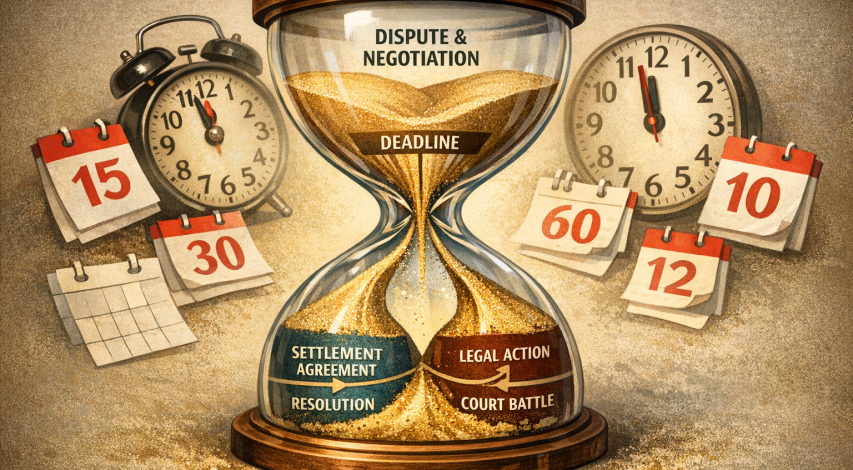
The card networks each manage final resolution on their own schedule. Mastercard sets a 45-day limit per stage, which means each individual step in the process has its own hard stop. Visa allows as many as 75 days for resolution on certain dispute types. These differences matter quite a bit if a dispute escalates and goes through multiple rounds of review.
Delays most often happen at the issuer review stage and during escalated disputes that get passed back and forth between banks. The more a dispute goes without resolution, the longer the total timeline stretches.
Why Cardholder Filing Windows Vary So Much
The filing window - the time a cardholder has to raise a dispute - is not one fixed number. It changes based on the card network involved and the type of purchase made.
Both Visa and Mastercard usually allow cardholders up to 120 days from the transaction date to file a chargeback. That is already a long stretch for merchants to stay financially exposed. But for some purchase categories, that window can extend all the way to 540 days.
Travel bookings and future-delivery purchases are the main cases where this longer window applies. The clock usually starts from the date the service was supposed to be delivered - not the date the payment was made. So a cardholder who books a flight a year in advance could still have time to file a dispute long after the transaction processed.
This is where things get tough for merchants who sell subscriptions or event tickets. A customer might buy an annual subscription in January and dispute a charge the following December. The transaction feels ancient to the merchant. But it can still be eligible for a chargeback under network rules.
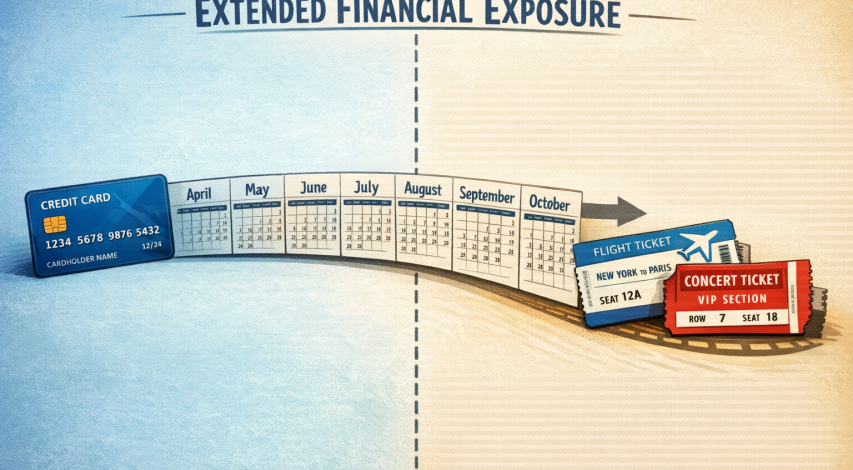
Event ticket sellers face a similar issue. If a concert gets postponed or cancelled, the dispute window resets based on the new event date. That means a merchant could be managing chargeback exposure on a sale that happened well over a year ago. Merchants dealing with postponed events may want to review how a travel or event ticket dispute typically unfolds.
There is no single calendar that covers every scenario, and that makes forward planning tough. Merchants in industries with delayed fulfillment need to account for exposure that stretches well beyond the original sale date.
Card networks set these extended windows to protect consumers who pay for something in advance. That is a reasonable goal. But it places the burden on merchants to keep records and reserves for much longer than they might expect.
What Happens When Merchants Fight Back
When a merchant decides to contest a chargeback, the process is called representment. The merchant resubmits the transaction to their bank along with evidence to argue the charge was valid. The bank then reviews everything and decides whether to reverse the chargeback or let it stand.
Merchants usually have between 7 and 30 days to respond once they receive a chargeback notice, and that window moves fast. Missing it means an automatic loss, no matter how strong the case may have been.
Strong evidence makes a difference in how a case is reviewed. The most helpful documentation tends to include things like signed delivery confirmations, communication records with the customer, refund policy disclosures shown at checkout, transaction logs, and proof that the billing and shipping addresses matched. The more a merchant can show that the transaction was completed as expected, the better the case looks on paper.

That said, merchants only win around 20 to 30 percent of chargeback disputes. That number is low for a few reasons. Some merchants don't have the right documentation ready in time, and others submit evidence that doesn't directly address the reason code the bank assigned to the dispute. Reason codes matter quite a bit here - a response built around the wrong argument is easy to dismiss.
Card networks also tend to favor cardholders in ambiguous situations. If the evidence doesn't tip the scales, the default outcome usually goes to the customer - that's how the process was designed to work.
Representment can add another layer to the timeline too. After a merchant responds, the issuing bank can take extra weeks to reach a final decision. If the cardholder or merchant escalates further into chargeback arbitration, the process stretches out even more and can become considerably more expensive for everyone involved.
Mistakes That Stretch the Timeline Longer Than It Should Be
The timeline does not wait for anyone, and the most common reason disputes take longer than they should is simple: merchants miss their response window entirely. Each card network sets its own deadline, and if you are taking care of multiple payment processors, it's very easy to let one slip through.
Submitting incomplete evidence is another way to slow things down. The reason code on the chargeback tells you what the bank needs to see, and ignoring it means you are sending the wrong proof for the wrong problem.
Here are the mistakes that come up most:
- Missing the merchant response deadline
- Submitting evidence that does not match the chargeback reason code
- Leaving out key documents like signed receipts or delivery confirmation
- Not tracking deadlines separately across Visa, Mastercard, and other networks
- Assuming one dispute outcome sets a precedent for future cases
For small business owners without a dedicated finance team, these are common problems. You are taking care of customer service, inventory, and everything else - a chargeback notification can sit in the wrong inbox for days before anyone acts on it.

The reason code piece is worth extra attention. Banks categorize chargebacks by reason, and each category has different evidence requirements. A dispute filed as "item not received" needs shipping proof. A dispute filed as "unauthorized transaction" needs something else entirely. Sending the wrong documentation does not improve your case even if the underlying facts are on your side.
Tracking deadlines across card networks takes a bit of setup. But having a system in place can make the whole process more manageable. Missing a single window closes the door on that dispute entirely.
Keeping Time on Your Side in a Chargeback Dispute
The most helpful thing any merchant can do is treat chargeback readiness as a standard habit instead of a reactive scramble. That means learning about the laws and timeframes set by Visa, Mastercard, or whichever card network is involved, and keeping transaction records and customer communications organized from the start, and responding to dispute notifications as fast as possible. Waiting until a chargeback lands in your inbox to start collecting documentation is usually too late.

Chargebacks are stressful on both sides of the transaction. Cardholders are usually trying to resolve a genuine problem, and merchants are trying to protect revenue they rightfully earned. The better prepared you are, the more control you have over the outcome. Understanding your credit card chargeback threshold is one part of staying ahead - so is knowing what your chargeback-to-transaction ratio looks like at any given time.
FAQs
What is a chargeback dispute timeline?
A chargeback dispute timeline is the structured sequence of deadlines and stages that merchants and card networks follow when a transaction is disputed. It covers everything from the cardholder's initial filing to final resolution, with each stage governed by strict time windows set by the card network.
How long do merchants have to respond to a chargeback?
Merchants typically have between 7 and 21 days to respond once they receive a chargeback notification. Missing this window results in an automatic loss, regardless of how strong the merchant's case might be.
How long can cardholders wait to file a chargeback?
Cardholders generally have 60 to 120 days from the transaction date to file a dispute. For certain purchases like travel bookings or future-delivery orders, this window can extend up to 540 days from the expected delivery date.
What is chargeback representment?
Representment is when a merchant contests a chargeback by resubmitting the transaction along with supporting evidence. However, merchants only win roughly 20 to 30 percent of disputes, often due to missing documentation or evidence that doesn't match the assigned reason code.
What mistakes extend a chargeback dispute timeline?
The most common mistakes include missing the merchant response deadline, submitting evidence that doesn't match the chargeback reason code, and failing to track deadlines separately across different card networks like Visa and Mastercard.