 Call (844) NO-DISPUTES

4862: Counterfeit Transaction
Reason Code 4862 is Mastercard's way of flagging a transaction that seems to have been made with a counterfeit card. That usually means the card data was stolen and cloned onto a fake card, which was then used at your terminal. In some cases, it seems like something that went sideways during the authorization process itself - like a fallback transaction that raised red flags. In either case, the result is the same: a customer's bank is disputing the charge on the grounds that their legitimate cardholder never made that purchase.
What makes 4862 chargebacks especially frustrating is that the sale probably looked fine on your end. The card swiped, dipped, or tapped without an issue. But if your terminal wasn't EMV-compliant, or if a chip card was processed via magnetic stripe, you might have already lost the liability protection that comes with chip technology - before the dispute even started.
I'll break down what triggers a 4862 chargeback, how the EMV liability shift determines who's on the hook, and what steps you can take to fight back or avoid it from happening again.
What Triggers a Mastercard 4862 Chargeback
A 4862 chargeback gets filed when a transaction shows signs that a counterfeit card was used - and two failures are usually at the root of it.
The first is a mismatch between the embossed digits and the printed digits on the card. Every card has four digits embossed above the card number, and those same four digits are pre-printed just below. An actual card will always have these match. If a merchant swipes a card without checking this and the digits don't line up, that's a strong indicator the card was cloned or tampered with. Card programs treat this as a preventable failure on the merchant's part, which is why it can cause a chargeback. This is similar to how a non-matching account number dispute arises from a mismatch that could have been caught at the point of sale.
The second trigger is an authorization that goes through without the full magnetic stripe data attached. When a card is swiped, the terminal is supposed to read and transmit the data encoded on the stripe. If that data is missing, truncated, or doesn't match what's on file with the card issuer, it tells Mastercard that something went wrong at the point of sale. Counterfeit cards are frequently made with changed or incomplete stripe data, so this is one of the clearest technical tells that fraud may have occurred.
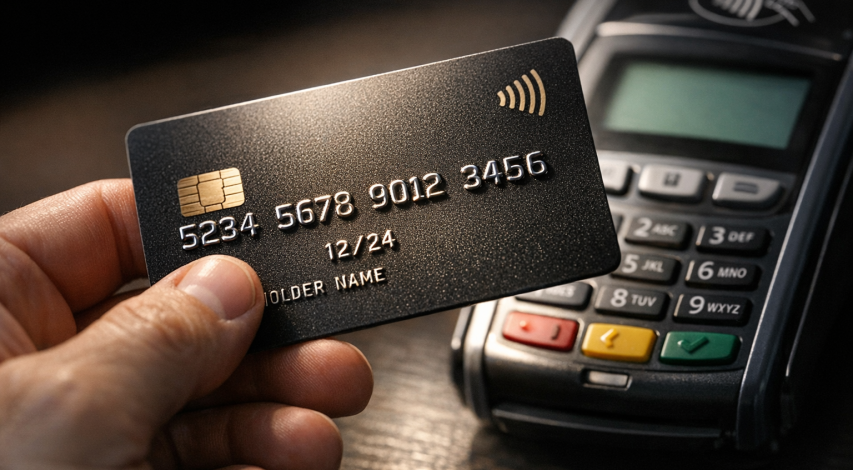
These aren't obscure compliance facts buried in a rulebook. They're the mechanisms that card programs use to separate legitimate transactions from fraudulent ones. Skipping these steps - or a terminal that doesn't manage them correctly - removes the protections that catch counterfeit cards before a transaction goes through.
It's worth understanding why Mastercard cares about this. The card network needs every transaction in its system to be verifiable. Full magnetic stripe data and matching embossed digits are part of how that verification works in a card-present environment. When those checks fail, the liability for the fraud has to land somewhere - and that's where the chargeback process comes in.
Both of these failures are detectable at the point of sale, which is the important reason Mastercard holds merchants accountable for them. The tools to catch counterfeit cards are already built into the payment system. A 4862 dispute is basically Mastercard's way of saying those tools weren't used.
The 2015 EMV Liability Shift and Why It Still Matters
Before October 2015, card issuers like banks absorbed most of the losses from counterfeit fraud - it wasn't a great system, but merchants were largely insulated from the financial hit. That changed when Mastercard and the other card networks introduced the EMV liability change.
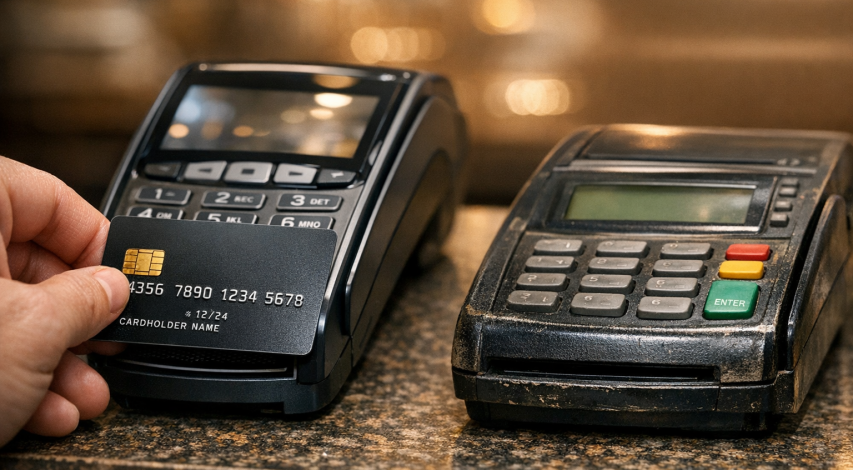
The rule is simple. If a counterfeit transaction happens at a terminal that can read chip cards, the card issuer covers the loss. But if the terminal can only accept swipes and the card had a chip, the liability moves to the merchant. That one distinction has cost merchants money over the years.
The reasoning behind it makes sense - think about how chip cards work. A chip card generates a transaction code every time it's used, which makes it much harder to clone than a magnetic stripe. Swiping a chip card bypasses that protection and gives you a vulnerability that counterfeiters can exploit. A merchant who runs swipe-only equipment even though chip cards are available is accepting that danger.
| Scenario | Who Bears Liability |
|---|---|
| Merchant has EMV terminal, card has chip | Card issuer |
| Merchant lacks EMV terminal, card has chip | Merchant |
This is why a 4862 chargeback can land so hard on merchants who haven't upgraded their payment hardware - it depends on outdated equipment and where Mastercard has decided the responsibility sits under their network rules.
It's also worth mentioning that the change happened almost a decade ago. Many merchants updated their terminals early on, but some businesses - especially smaller ones - still run older hardware or software that defaults to magnetic stripe reads even when a chip card is present. Those transactions are still treated as swipes for liability purposes.
The connection to 4862 chargebacks is direct. When a fraudulent counterfeit transaction is traced back to a swipe at a non-EMV terminal, the merchant loses the dispute almost automatically. There's very little room to argue because the liability rules are written into the network's framework and the transaction record tells the story.
The 120-Day Chargeback Window and How It Catches Merchants Off Guard
That liability change we covered earlier has a timeline attached to it. Under Mastercard's rules, an issuing bank has up to 120 days from the original transaction date to file a 4862 chargeback against a merchant.
Four months is a long time in retail. A transaction that processed in January can come back as a dispute in May, and by then, most merchants have mentally moved on from it. That gap between the sale and the dispute is where recordkeeping problems start to show up.
To defend a 4862 claim, a merchant needs to show that the card was chip-read at the point of sale, that the terminal was EMV-compliant at the time, and that the authorization went through correctly. None of that's easy to reconstruct four months later if the records aren't well organized.
Merchants who don't keep complete logs of transaction authorizations are especially exposed here. A dispute that arrives near the end of that 120-day window gives very little time to pull together a response, and that's also the case if transaction data isn't easy to access quickly.

It's also worth mentioning that the clock starts from the original transaction date, not from when the fraud was found. A cardholder might not see the fraudulent charge for weeks, and then the issuer has its own process to work through before filing. By the time the merchant gets the dispute notification, a decent chunk of that 120 days may already be gone.
The window matters more than most merchants know because the issuer's full timeframe and the merchant's response window are two very different things - and the merchant's is much shorter.
Good recordkeeping is the most helpful way to stay prepared. Merchants who keep transaction logs, terminal configuration records, and authorization data in an accessible format are in a much stronger position to respond faster and more accurately when an old dispute lands on their desk. Staying below dispute thresholds also matters - merchants who accumulate too many losses risk being flagged as an excessive chargeback merchant.
The 120-day window doesn't change based on the size of the transaction or the type of business - it applies the same way across the board, which means every non-chip transaction is a possible liability that stays open for months after the sale.
How Visa Code 10.1 Connects to Mastercard 4862
If you process payments on Visa and Mastercard, you might have seen that the two networks don't always use the same language to describe the same problem. Counterfeit fraud is an example of this. Both networks have a dedicated code for it, but they look different on paper and have different histories behind them.
Visa used to manage counterfeit transactions under Reason Code 62. That code was eventually retired and replaced by Reason Code 10.1, which sits under Visa's wider fraud category. The name changed, the category was reorganized, but the core issue stayed the same - a card was counterfeited and used to make a purchase the actual cardholder didn't authorize.
Mastercard handles this with chargeback code 4862, which falls under their fraud umbrella in a similar way. The two codes aren't identical in terms of how each network processes the dispute, but they point to the same underlying event. A fraudster used a cloned or fabricated card to push a transaction through.
This matters practically because merchants who run reports or review disputes may see both codes in the same month and not connect them. Recognizing that 10.1 and 4862 are the same alarm going off on two different dashboards helps you respond more effectively. If your dispute volume is climbing, it's also worth understanding whether you're at risk of entering the Visa Fraud Monitoring Program.
| Network | Current Code | What It Replaced | Category |
|---|---|---|---|
| Visa | 10.1 | Code 62 | Fraud |
| Mastercard | 4862 | No direct predecessor | Fraud |
The helpful takeaway is simple. When you see either of these codes, you're looking at a counterfeit card dispute and your response process should be the same regardless of which network sent it. Your evidence, your documentation, and your EMV compliance status are all relevant in both cases.
It's worth tracking both codes in any internal tracking you do. Merchants who only flag one network's code can end up with an incomplete picture of how counterfeit fraud is hitting their business.
Avoiding 4862 Chargebacks Before They Start
A few habits go a long way. Here is a quick checklist to review with your team:

- Audit your terminal setup - confirm all card readers are EMV-enabled and processing chip transactions correctly
- Train staff on card verification - teach them to check signatures, request ID when appropriate, and flag cards that behave unexpectedly
- Log transactions consistently - keep records organized and accessible so you can respond quickly if a dispute arrives
- Monitor your chargeback ratio - a pattern of 4862 disputes may point to a vulnerability in your checkout process worth addressing, especially if your chargeback ratio is approaching 1%
- Know your response window - mark the 120-day dispute period and never let a representment deadline slip past unnoticed
Chargebacks are a frustrating part of running a business, but they aren't random. With the right processes in place, 4862 disputes become far less common - and far easier to win when they do show up. Small adjustments to your verification habits and record-keeping can save you a lot of time, money, and stress later.
FAQs
What is Mastercard chargeback reason code 4862?
Reason Code 4862 flags transactions made with a counterfeit card, where stolen card data was cloned onto a fake card and used at a merchant's terminal.
What triggers a 4862 counterfeit transaction chargeback?
Two main triggers are mismatched embossed and printed card digits, and authorization processed without complete magnetic stripe data attached to the transaction.
How does the EMV liability shift affect 4862 chargebacks?
Since October 2015, merchants without EMV-compliant terminals bear liability for counterfeit fraud when a chip card is swiped instead of chip-read.
How long does a bank have to file a 4862 chargeback?
Mastercard allows issuing banks up to 120 days from the original transaction date to file a 4862 chargeback against a merchant.
How are Visa code 10.1 and Mastercard 4862 related?
Both codes represent counterfeit card fraud disputes across different networks. Merchants should track both codes to get a complete picture of counterfeit fraud exposure.