 Call (844) NO-DISPUTES
What is a Credit Card Transaction ID?
It's one of the terms that gets thrown around constantly in the space of payments but never gets an explanation. Every time you tap your card at a coffee shop, enter your details at an online checkout, or let your phone do the work with an online wallet, something happens silently that you never think about. An identifier gets generated - a transaction ID - that basically acts as a fingerprint for that payment.
That little string of numbers and letters carries more weight than it might feel - it's the thread that banks, merchants, and payment processors pull on when something goes wrong, when a refund needs to be tracked, or when fraud needs to be investigated. If you don't have it, resolving a disputed charge would be like trying to find a conversation in an inbox with no search function.
I'll break down what a credit card transaction ID is, how it gets created, where you can find it, and why it matters - whether you're a curious consumer or handling payments on the business side. No complex language walls, no unnecessary difficulty. Just a look at a small piece of data that quietly keeps the payments world running.
The Anatomy of a Credit Card Transaction ID
A transaction ID is an alphanumeric string - a combination of letters and numbers - that gets assigned to a single payment event. It acts as a label that belongs to one transaction and one transaction only. No two transactions share the same ID.
That string doesn't float around on its own. It sits inside a bigger bundle of data that gets created every time a card payment goes through, and each part of that data tells a different part of the story about what happened, when it happened, and who was involved.
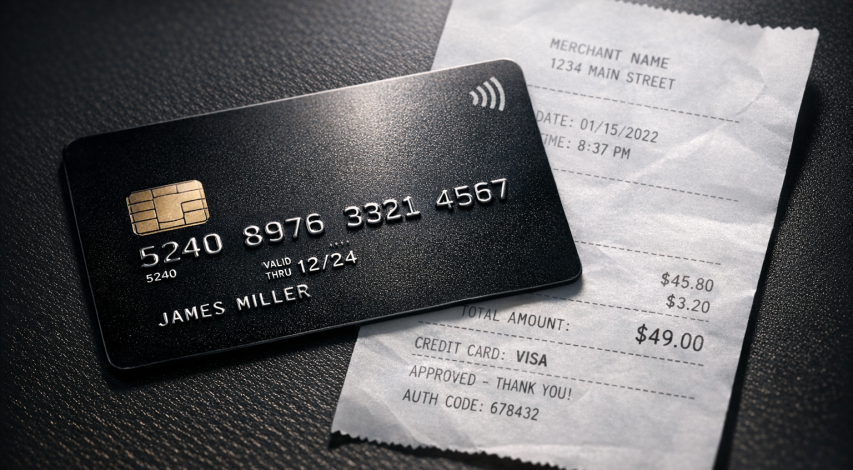
The transaction ID is one field among a few that travel together through the payment process. Here's a quick look at the most common data fields attached to a card transaction and what each one tells you.
| Field Name | What It Tells You |
|---|---|
| Transaction ID | A unique reference for that specific payment event |
| Merchant Name | The business that processed the payment |
| Transaction Amount | The exact amount charged in the transaction |
| Date and Time | When the payment was initiated or completed |
| Card Details | Partial card number and card type used |
| Authorization Code | Confirmation that the issuing bank approved the charge |
All of these fields work together, but the transaction ID is the one that ties everything to a single event. It's the reference point that banks, merchants, and payment processors use to look up a transaction if something needs to be reviewed or disputed.
The next section breaks down how that ID gets created and which part of the payment chain is responsible for it.
How a Transaction ID Gets Generated and Who Creates It
Multiple parties create their own reference numbers for the same transaction. The merchant, the payment processor, and your bank all log the transaction independently and each one assigns its own ID.
When you tap or swipe your card, the merchant's point-of-sale system captures the transaction and tags it with a reference number instantly. That data then travels to a payment processor like Stripe or Square, which generates its own transaction ID as it routes the payment. Finally, your issuing bank receives the request and logs it under yet another reference number on its end.
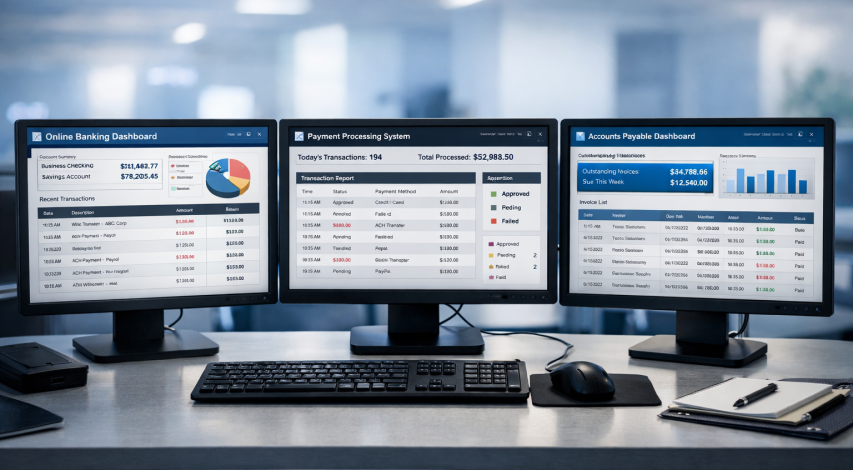
This is worth learning about because it explains why disputes get tough. If you call your bank about a charge, they'll reference their ID. If you contact the merchant, they'll hand you a different number. Neither party is wrong - they're just looking at the same transaction through their own system.
| Party | Role in the Transaction | ID Generation |
|---|---|---|
| Merchant | Initiates the transaction at the point of sale | Creates an internal order or transaction reference |
| Payment Processor | Routes the payment between merchant and bank | Assigns a processor-level transaction ID |
| Issuing Bank | Approves or declines the payment request | Logs the transaction under its own authorization code |
The processor's ID is the one most people mean when they talk about a transaction ID because it sits in the middle of the chain and connects the merchant's data to the bank's records - it acts as the common thread between all three parties.
When you need to trace a payment, having the processor's transaction ID in hand makes communication between the merchant and your bank much easier. Your issuing bank uses its own authorization code to approve or decline payments, which is why referencing the right ID speeds up any resolution.
What Transaction IDs Are Actually Used For
The most common reason to have a transaction ID is to sort out a problem. If you see a double charge on your statement, or a refund never shows up in your account, that ID is what lets a bank or merchant trace what happened and when. If you don't have it, both sides are working from a much vaguer picture.
Dispute resolution moves faster when you can hand over a transaction ID. Instead of a customer service rep searching through records by date and amount, they can pull the exact transaction and see its full history in seconds. That one string of numbers or letters cuts through.
Fraud investigation works the same way. When a bank flags a suspicious charge, analysts use the transaction ID to trace the payment back through every checkpoint it passed. They can see the merchant, the amount, the time, and if anything about the process looked unusual.

Refund tracking is another helpful use that comes up quite a bit. When a merchant processes a refund, it gets linked to the original transaction ID so the bank can confirm it came through correctly. If the refund seems to be taking forever, that ID is the reference point both sides go back to.
Businesses use transaction IDs just as much as consumers do, if not more. On the accounting side, every payment needs to match a record, and transaction IDs make that reconciliation accurate and auditable. During a financial audit, the ability to tie each entry to a transaction is what keeps records clean and verifiable.
The scale of all this is worth pausing on. With over 511 million active consumer credit cards in the U.S. as of early 2020, a giant number of transactions need to be individually tracked every day. Transaction IDs are what make that large-scale record-keeping possible at all.
The Privacy Side of Transaction IDs and Your Card Data
Every time you swipe or tap your card, that transaction gets logged with an ID. That ID is one small part of a much bigger data trail. On its own, a transaction ID is harmless. But when combined with merchant details, timestamps and purchase amounts, the picture becomes more personal than you might know.
A well-known MIT study found that scientists could identify a person from an anonymized dataset of over one million people about 90% of the time using just four purchases. No names, no account numbers - just the pattern of what was bought, where and when. It's a striking result and it says quite a bit about how revealing card activity can be, even without obvious identifying details attached.

There's also the question of who has access to this data. Reports have indicated that partner businesses have had access to around 70% of U.S. credit and debit card transactions. It's a wide reach and it goes well past your bank or card issuer.
Transaction IDs themselves aren't the privacy concern - they're just reference numbers. The concern is what they're connected to and how that connected data moves between organizations. Each ID links to a record that can include the merchant category, the location and the exact time of purchase.
Knowing this is a reason to look more closely at your card activity - not a reason to stop using cards. Checking your transaction records and what each ID represents is actually one of the better ways to stay on top of your own financial footprint. I'll talk about how to find your transaction ID and put it to use.
How to Find Your Transaction ID and Use It Effectively
Your transaction ID is never far away - you just need to know where to look. Your bank's mobile app is usually the fastest place to find it. Open a transaction and look for a field labeled "transaction ID," "reference number," or "confirmation code."
Email receipts from merchants are another place to check. These sometimes use different labels than your bank does, which is worth keeping in mind. A merchant might call it an "order reference" while your bank calls it a "transaction ID" - and these two numbers are not necessarily the same.
That distinction matters quite a bit when something goes wrong. If you contact your bank to dispute a charge, they need their own internal ID - not the merchant's reference number. Mixing these up can slow down the process, so it helps to have both ready before you make that call.
Paper statements and merchant account portals are also worth checking if the app or email doesn't give you what you need. The label changes by platform, but the number is usually there somewhere.

When you contact support or file a dispute, a few habits make the whole thing go more easily. Have the transaction ID ready before you start the conversation. Write down the date and amount of the transaction too. Support agents use these to find records faster. If you're disputing a charge, note if the ID came from your bank or the merchant so you can share the right one.
It's also worth saving email receipts for bigger purchases instead of deleting them instantly. If something goes wrong weeks later, having that confirmation code on hand saves you from a search through your bank app or a call to support just to get started.
The more familiar you get with where these IDs live, the less friction you'll run into if you ever need to track down a payment or challenge a charge.
Now You Know What's Behind Every Swipe
A little habit goes a long way here. Save confirmation emails from big purchases, take a screenshot of your order summary, or jot down the transaction ID for anything that matters. Check your statements so you can find anything unusual early, and don't stress if a customer service rep asks you for one - you now know what they mean and where to find it.
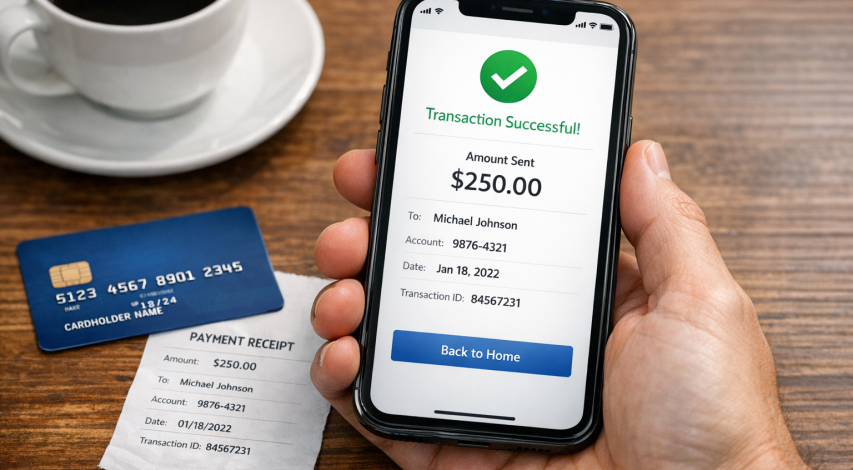
The next time a charge looks off or a transaction isn't recognized, you won't have to feel helpless. That small alphanumeric code is your receipt, your reference point, and your fastest path to getting things finished. Treat it like the friend it is.
FAQs
What is a credit card transaction ID?
A credit card transaction ID is a unique alphanumeric string assigned to a single payment event. It acts as a fingerprint for that transaction, used by banks, merchants, and payment processors to track, verify, or investigate a payment.
Who generates a transaction ID?
Multiple parties generate their own IDs for the same transaction. The merchant, payment processor, and issuing bank each assign a separate reference number, which is why ID numbers can differ depending on who you contact.
Where can I find my transaction ID?
You can find it in your bank's mobile app under transaction details, in email receipts from merchants, or on paper statements. Labels vary - look for "transaction ID," "reference number," or "confirmation code."
What are transaction IDs used for?
Transaction IDs are used to resolve disputes, track refunds, investigate fraud, and reconcile accounting records. They allow banks and merchants to pull up the exact payment history instantly, speeding up any resolution process.
Are transaction IDs a privacy concern?
Transaction IDs themselves aren't harmful, but the data connected to them - merchant details, timestamps, and purchase amounts - can be. Combined, this data can reveal personal patterns even without names or account numbers attached.