 Call (844) NO-DISPUTES
What is a Payment Orchestration Platform?
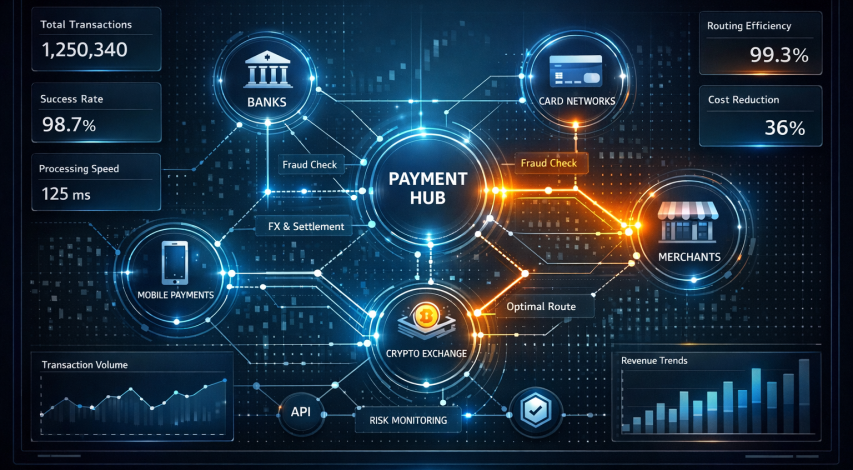
A payment orchestration platform sits between your business and the many payment services you rely on - processors, gateways, fraud tools, and more - and coordinates them through a single layer. Instead of juggling separate integrations and piecing together data from a dozen different dashboards, everything runs through one unified system.
I'll break down what a payment orchestration platform actually is, how it works, and why more businesses are moving in this direction. Whether you're evaluating your current setup or looking at options for the first time, here's what you need to know.
How a Payment Orchestration Platform Actually Works
At its core, a payment orchestration platform sits between your business and the payment providers you work with. Instead of sending every transaction to a single processor and hoping for the best, the platform acts as a main layer that decides where each payment should go.
Think of it like a traffic system for your transactions: each payment comes in and the platform checks a set of rules before routing it to the right provider. Those rules can be based on the customer's location, the currency they're paying in, the cost of processing, or which provider has the best success rate for that type of transaction.
This routing logic is what makes orchestration different from a standard single-provider setup. With a single provider, every transaction takes the same path regardless of the circumstances. With orchestration, the platform picks the most suitable provider each time - and if one provider fails, it can automatically retry with another.
| Single-Provider Setup | Payment Orchestration Platform |
|---|---|
| All transactions go to one processor | Transactions route to the best-fit provider |
| No fallback if payment fails | Automatic retry with an alternative provider |
| One set of fees with no flexibility | Cost-based routing to reduce processing fees |
| Limited to one provider's coverage | Multi-provider coverage across regions and currencies |
The platform connects to each provider through a single integration on your end. That matters because building and maintaining separate integrations for each processor is time-consuming and expensive. Orchestration handles that silently so your team doesn't have to.
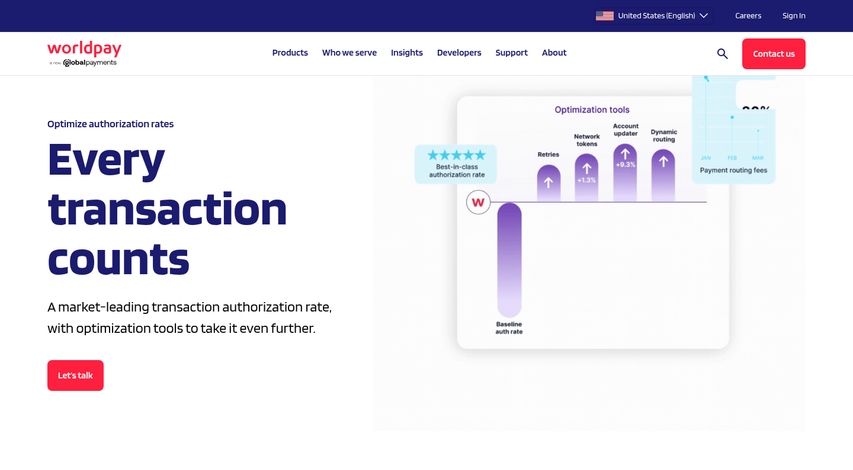
Businesses that work across multiple countries get particular value from this setup. A transaction from a customer in Brazil might get routed to a local acquirer with a higher approval rate there. But a UK-based payment follows a different path. The platform makes those calls automatically based on the rules you set.
All of this happens in milliseconds and it's largely invisible to the customer. From their side, they simply complete a payment. The complexity lives in the orchestration layer - not in their checkout experience. Businesses that want more control over what they pay in processing fees often find this kind of routing flexibility particularly valuable.
Key Features That Set These Platforms Apart
Not all payment platforms are built the same, and the features inside an orchestration platform are what make it legitimately helpful in practice - each one solves a problem, and it helps to remember what would go wrong without it.
Smart routing is one of the most helpful tools in the stack - it automatically directs each transaction to the payment processor most likely to approve it, based on things like the card type, the customer's location, and the processor's latest performance. If you don't have it, you're sending payments through a single path regardless of whether that path is the best one - and declined transactions are the result.
Closely related to that is failover logic. If a processor goes down or rejects a transaction, the platform instantly reroutes to a backup without the customer ever finding out. That behind-the-scenes recovery is the difference between a completed sale and an abandoned one.
Unified reporting pulls data from all your processors and payment methods into one dashboard, making it far easier to find patterns, track performance, and see where your revenue is actually coming from. Managing that data across separate systems would eat up hours each week.
Built-in fraud detection can add another layer by screening transactions before they're processed. Many platforms let you set custom rules based on your business type, transaction size, or customer behavior. If you don't have this, you'd be relying on each individual processor's fraud tools - which don't always talk to each other.
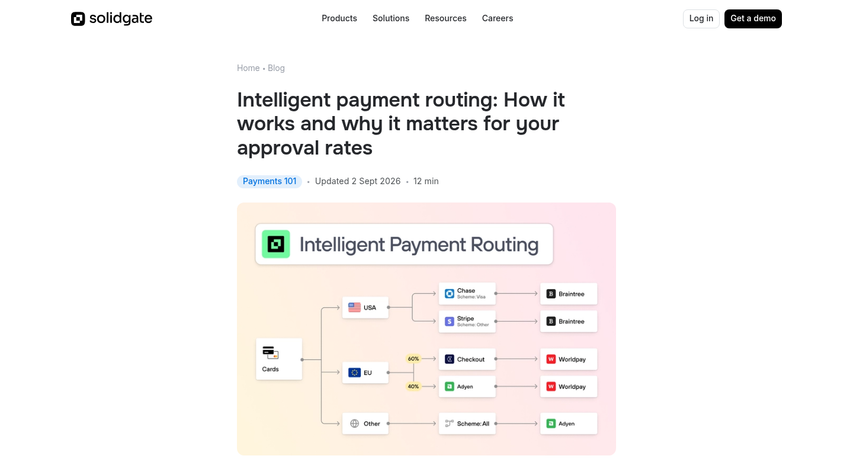
Real-time analytics deserve a mention here. Platforms with this capability have been shown to cut transaction failure rates by 29%, which is a real gain for any business processing payments at scale.
Here is a quick look at the core features and what each one does:
- Smart routing - sends each payment to the best-fit processor automatically
- Failover logic - retries failed transactions through a backup processor instantly
- Unified reporting - consolidates payment data across all processors in one place
- Fraud detection - screens transactions in real time using customizable rules
- Real-time analytics - gives you live visibility into payment performance and failure rates
- Multi-currency support - handles payments in different currencies without manual conversion steps - see how pre-authorization and capture interact across currencies
Together, these features give businesses a level of control that a single payment processor can't match.
Which Types of Businesses Benefit Most From Payment Orchestration
Payment orchestration isn't a one-size-fits-all tool. But some businesses get far more out of it than others. The clearest candidates are the ones already feeling the friction of managing payments at scale.
Large enterprises with high transaction volumes tend to see the most immediate return. When you're processing thousands of payments a day across multiple regions, even small improvements in authorization rates or processing fees add up significantly. These businesses also tend to work with a few payment processors already, and an orchestration layer brings that under one roof.
Cross-border ecommerce businesses are another strong fit. Selling internationally means different currencies, local payment preferences, and changing laws. A customer in Brazil expects to pay differently than a customer in Germany, and a platform that can route to the right processor for each region makes that possible without a custom build for every market.
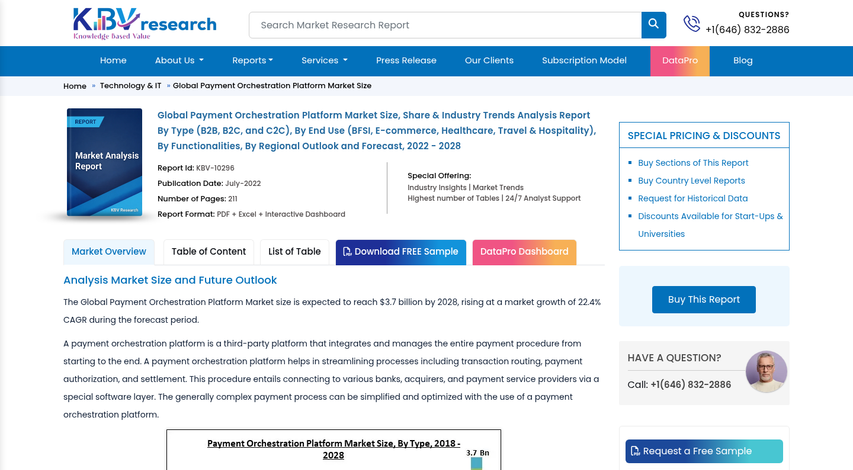
The B2B segment has historically been a strong driver of adoption - it held a 62% revenue share in 2022. B2B transactions tend to be bigger and more complex, which makes the cost of a failed or misdirected payment much higher. Businesses handling high-risk merchant accounts often feel this pressure most acutely.
The mid-size retailer is worth thinking about. A business that's operated in one or two markets and is now expanding globally for the first time will hit payment infrastructure gaps fast. Building those connections from scratch takes time and technical resources. An orchestration platform can shortcut that setup work, much like working with a payment service provider streamlines initial setup for smaller operations.
| Business Type | Primary Pain Point | How Orchestration Helps |
|---|---|---|
| Large Enterprise | Managing multiple processors and high volumes | Centralizes control and improves authorization rates |
| Cross-Border Ecommerce | Local payment methods and currency routing | Connects to region-specific processors automatically |
| B2B Companies | High-value transactions with low tolerance for failure | Smart routing reduces failed payments |
| Mid-Size Retailers Scaling Up | Infrastructure gaps when entering new markets | Faster setup without building each connection manually |
If your business is growing into new regions or working with more than one payment provider, the case for orchestration can become hard to dismiss. It's also worth considering how Strong Customer Authentication requirements across different markets add another layer of complexity that orchestration platforms are increasingly built to handle.
What to Look for When Choosing an Orchestration Platform
Not all orchestration platforms are built the same way, and the differences matter more than they might appear. The right platform for your business can depend on a few core things that are worth thinking through before anything.
Start with provider integrations. A platform that connects to only a handful of payment processors limits your ability to path transactions intelligently or expand into new markets. You want a platform with a wide network of pre-built integrations so you can add or switch providers without a full technical rebuild every time.
Pricing is another area to look at. Some platforms charge a flat monthly fee and others take a cut of each transaction. Make sure you understand the total cost at your transaction volume - what looks affordable at a low volume can get expensive faster as you scale.
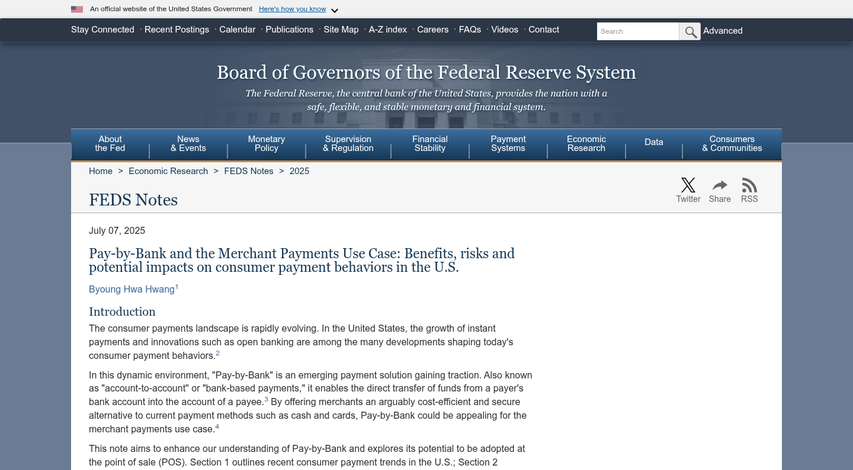
Compliance coverage is worth a look too. If you work across multiple regions, you need a platform that works with local regulatory requirements without putting that burden entirely on your team. Ask specifically which markets the platform supports and how it manages data residency and compliance requirements.
Analytics and reporting tools are easy to forget but hard to work without. Good reporting tells you which processors are underperforming, where transactions are failing, and where you could be losing revenue. A platform with weak reporting tools makes it harder to act on the data you are already generating. For merchants in higher-risk categories, understanding your chargeback-to-transaction ratio through these dashboards can be especially important.
| Evaluation Area | What to Check | Red Flag |
|---|---|---|
| Provider Integrations | Number and variety of supported processors | Fewer than 10-15 pre-built integrations |
| Pricing Model | Flat fee vs. per-transaction vs. hybrid | No transparent pricing documentation |
| Compliance Coverage | Regions supported and data handling rules | Gaps in markets you already operate in |
| Reporting and Analytics | Depth of transaction data and failure insights | Limited dashboards with no export options |
| Support Quality | Availability, response times, and onboarding help | Support only available during business hours |
Finally, don't underestimate the value of support. Payment problems don't wait for convenient moments, so you want a team you can reach when something goes wrong.
Is Your Payment Stack Ready for What's Next?
The real question isn't if payment orchestration is worth it - it's if your current setup is quietly costing you - in failed transactions, in lost customers at checkout, in engineering hours spent taking care of what should run itself. A platform that routes better, recovers more revenue, and adjusts to how your customers actually want to pay isn't a luxury for large businesses - it's increasingly the baseline.
If your payment stack has gaps, that's worth addressing. Start by auditing where your transactions are failing and why. Talk to your payment provider about what flexibility looks like in practice. The right orchestration setup won't look the same for every business - but for most, there is significantly more performance available compared to what they're currently achieving.
FAQs
What is a payment orchestration platform?
A payment orchestration platform sits between your business and payment services like processors, gateways, and fraud tools, coordinating them through a single unified layer instead of separate integrations.
How does smart routing work in payment orchestration?
Smart routing automatically directs each transaction to the processor most likely to approve it, based on factors like card type, customer location, and processor performance history.
Which businesses benefit most from payment orchestration?
Large enterprises, cross-border ecommerce businesses, B2B companies, and mid-size retailers expanding into new markets benefit most, particularly those managing high transaction volumes across multiple regions.
What happens when a payment fails with orchestration?
Failover logic instantly reroutes the failed transaction to a backup processor without the customer ever knowing, turning a potential abandoned sale into a completed one.
What should I look for when choosing a platform?
Evaluate the number of pre-built processor integrations, pricing model transparency, compliance coverage for your markets, reporting depth, and the quality and availability of customer support.