 Call (844) NO-DISPUTES

C04: Goods/Services Returned or Refused
A C04 chargeback gets filed when a cardholder returns goods or refuses a delivery and then doesn't receive a refund.
That's a frustrating position to be in, and that's also the case if you have no record of a return or if the situation is more complex than the customer is letting on. The good news is that C04 disputes are manageable, and learning about what you're dealing with is the first step toward building a good response.
I'll break down what triggers C04, what American Express expects from you, and how to fight back when the claim doesn't hold up.
What Triggers a C04 Chargeback in the First Place
There are two core scenarios that cause this dispute. The first is a return - the customer sends the item back and expects their money. The second is a refused delivery - the customer never accepts the package at all and expects the same result. Both paths cause the same outcome if the merchant doesn't process a credit card refund: the cardholder goes to their bank instead.
A merchant can legitimately believe everything went smoothly on their end - the return was received, the policy was followed - while the cardholder is sitting there with no refund and no communication. That difference between what happened internally and what the customer actually experienced is where most C04 disputes are born.

Return policy plays a big part in this. If a customer wasn't shown the return terms at the time of purchase, they may believe they're entitled to a full refund even when the merchant disagrees. The issuing bank sides with the cardholder in those cases because the burden falls on the merchant to show that the policy was visible and agreed to.
Refused deliveries are worth a look because they don't always mean a formal return process. A customer might refuse a shipment at the door or with the carrier, and the merchant might not even know it happened. By the time the package makes its way back, the cardholder may have already filed a dispute out of frustration - sometimes even after receiving a partial refund.
It's also worth mentioning that a cardholder doesn't have to be wrong to file a C04. They just have to believe they returned something and didn't get their money back. The dispute process was built to give them a way to escalate when a merchant goes quiet or never replies or takes too long to act, and that's why response time matters - covered in the next section.
The C04 Dispute Timeline You Need to Know
Once a cardholder files a C04 dispute, a clock starts running - and it doesn't wait for anyone. American Express gives cardholders up to 120 days from the transaction date to raise a claim, which means a return dispute from months ago can still land in your inbox.
When the dispute arrives, you have 20 days to respond; it's your window to pull together evidence and submit a rebuttal. Miss it, and Amex will usually side with the cardholder automatically.
After you respond, Amex takes over and reviews everything. That review period runs between 20 and 30 days, which puts the total resolution time somewhere in the 40 to 60 day range from start to finish. The early deadlines are where merchants tend to lose ground.
| Stage | Who's Responsible | Time Allowed |
|---|---|---|
| Cardholder files dispute | Cardholder | Up to 120 days from transaction date |
| Merchant rebuttal submission | Merchant | 20 days from dispute notification |
| Amex review and decision | American Express | 20 to 30 days after merchant responds |
| Total resolution window | All parties | Approximately 40 to 60 days |
The 120-day filing window is worth mentioning because it means you could be disputing a transaction you've long since moved past. Keeping records for at least six months is a helpful way to stay ready for disputes that arrive late.

Your 20-day response window is the one that needs the most attention - it starts from the date Amex notifies you, not the date you actually see the notification. Logging in to check your account is how you protect yourself from missing a deadline you didn't know was running.
There's no extension process to fall back on here. Fast action is the only actual option you have once a dispute comes in.
How to Fight a C04 Chargeback With the Right Evidence
That 20-day window moves fast, so what you submit needs to count. You want to show the card network that the return or refusal was not valid - and you do that with documentation, not just a written explanation.
The strongest piece of evidence is a signed delivery confirmation - this shows the customer received the goods and makes it much harder to claim a return was warranted because of non-delivery. Pair that with tracking data from the carrier and you have a good foundation to build on.
Your return policy disclosure is what matters. You need to show that the policy was visible to the customer before they completed the purchase - a screenshot of your checkout page works pretty well here. If the policy was buried in fine print or not shown at all, that gap will work against you.

Email threads between you and the customer can also help quite a bit. If the customer contacted you and you responded and offered a resolution, that exchange shows good faith on your part - it also challenges the idea that a chargeback was the only option available to them.
Restocking records matter too, and that's also the case if the customer claims they returned the item but you never received it. A log showing no return was processed gives you something concrete to point to. If you don't have that internal record, you are basically left asking the bank to take your word for it.
| Evidence Type | What It Demonstrates |
|---|---|
| Signed delivery confirmation | Customer received the goods |
| Return policy disclosure | Customer was informed before purchase |
| Carrier tracking data | Delivery was completed successfully |
| Email correspondence | You attempted to resolve the dispute |
| Restocking records | No return was received or logged |
Incomplete replies tend to lose not because merchants are wrong but because the evidence does not tell a clear story - each document you submit should connect to a claim the cardholder made. Understanding what a non-fraud chargeback involves can help you frame your response more precisely.
A merchant without records is in a tough spot. The dispute process rewards preparation, and that preparation starts long before any chargeback arrives.
Where the Fair Credit Billing Act Fits Into All This
Cardholders have the right to dispute charges because federal law guarantees it - not because a bank decided to be generous. The Fair Credit Billing Act of 1974 protects consumers from billing errors, and a charge for goods that were returned or refused falls squarely into that category.
The FCBA is the legal foundation underneath the whole chargeback system. When Amex sets its rules around a C04 dispute, those rules aren't arbitrary - they exist because federal law requires card networks to give cardholders a path to contest charges; it's worth keeping in mind when a dispute lands in your account.
For merchants, this matters in an important way - it means you're not just facing an Amex policy with a C04 - you're facing a consumer protection law that has actual teeth. You can't decline to engage or treat a chargeback as an optional process to participate in.
That said, the FCBA doesn't make every dispute automatically valid. The law gives cardholders the right to raise a billing error, but merchants have the right to respond and present evidence. A customer claiming a return they never actually made isn't protected by the FCBA just because they filed a dispute.

This law shapes what you can push back on through the framing of your response. If a customer legitimately returned merchandise and the credit never appeared, the FCBA was written for that scenario. Arguing against a legitimate return is a hard win. But if the claim is inaccurate and you have documentation to show it, that same legal structure gives you space to dispute it.
The important takeaway is not about memorizing federal statutes. Knowing that the C04 chargeback process has a legal foundation helps you see that the process isn't stacked entirely against you - it's designed to balance consumer rights with a fair merchant response process.
Keeping C04 Chargebacks From Becoming a Habit
A few helpful steps to cut back on C04 exposure over time:
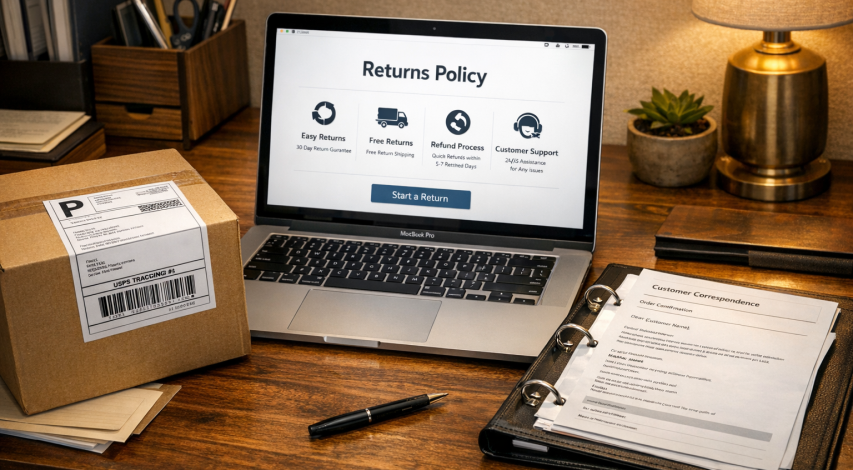
- Make your return policy easy to find and hard to misread. Display it clearly at checkout, in confirmation emails, and on your website - not just buried in a terms page.
- Use tracked, confirmed delivery. Proof that goods were delivered - and not returned - is one of your strongest defenses. Make it a standard part of your fulfillment process.
- Acknowledge returns or cancellations quickly. When a customer does reach out, a fast, documented response reduces the chance they escalate to a chargeback.
- Keep records of all customer communications. Emails, chat logs, and support tickets can make or break your representment case if a dispute is filed.
- Audit your process periodically. If C04 disputes are clustering around a specific product, service, or fulfillment method, treat it as a signal - not a coincidence. Merchants with persistent patterns risk being flagged as an Excessive Chargeback Merchant.
Chargebacks don't the first sign something went wrong - they're usually the last. Merchants who invest in clearer policies, better delivery confirmation, and proactive customer communication see their C04 rates drop steadily over time. The disputes that do come through become easier to fight, and the ones that never get filed are the actual win.
FAQs
What triggers a C04 chargeback from American Express?
A C04 chargeback is triggered when a cardholder returns goods or refuses a delivery and doesn't receive a refund. If the merchant fails to process a credit or communicate with the customer, the cardholder escalates the issue to their bank instead.
How long do merchants have to respond to C04 disputes?
Merchants have 20 days from the date American Express notifies them to submit a rebuttal. Missing this deadline typically results in Amex automatically siding with the cardholder.
What evidence helps fight a C04 chargeback?
Strong evidence includes signed delivery confirmations, carrier tracking data, return policy disclosures shown at checkout, email correspondence with the customer, and restocking records showing no return was received.
Does federal law protect cardholders filing C04 disputes?
Yes. The Fair Credit Billing Act of 1974 gives cardholders the legal right to dispute charges for returned or refused goods. However, merchants also have the right to respond with evidence if the claim is inaccurate.
How can merchants reduce C04 chargebacks over time?
Merchants can reduce C04 disputes by displaying clear return policies at checkout, using tracked delivery, responding quickly to return requests, and keeping detailed records of all customer communications.