 Call (844) NO-DISPUTES

C18: "No Show" or CARDeposit Cancelled
If the card in question was an American Express card, there's a chance you're looking at Reason Code C18: "No Show" or CARDeposit Cancelled - one of the chargebacks that tends to catch lodging businesses off guard, because from the hotel's perspective, everything was done by the book. A reservation was made, a deposit or guarantee was grabbed, the guest didn't arrive, and the policy was enforced. It feels airtight - until it isn't.
C18 falls under American Express's Card Member Disputes category, which means the chargeback is being filed because of the cardholder themselves. They're telling Amex that either they did cancel the reservation, or that the charge shouldn't have applied. Whether that claim is legitimate or not, your property now has to respond - and how you respond makes the difference.
I'll break down what C18 means, the most common reasons it gets filed, what American Express needs to see from you, and how to build a response that actually holds up. If your property takes reservations with deposit or non-refundable policies, this is a chargeback type worth knowing inside and out.
What C18 Actually Means for Lodging Merchants
C18 is an American Express chargeback reason code that applies exclusively to lodging merchants. Hotels, resorts and similar hospitality businesses are the only ones who will see it. If you run a retail shop or a restaurant, this code does not apply to you.
There are two situations that can trigger a C18 dispute. The first is a "no show" - a cardholder books a room, never arrives and then disputes the charge. The second involves something called a CARDeposit, which is a deposit or guarantee that a lodging merchant collects through the American Express system to protect a reservation.
A CARDeposit is notable because it is unique to the Amex ecosystem. When a cardholder uses their American Express card to guarantee a booking, that card-on-file deposit is what Amex refers to as a CARDeposit. If the merchant cancels or mishandles that deposit in a way the cardholder disputes, that's the second path to a C18.
Amex created C18 as its own dedicated code because no-show and deposit disputes in lodging have their own rules and documentation requirements. Lumping them into a general "services not rendered" category would make it harder to apply the right standards to each case. Hospitality transactions have booking terms, cancellation windows and deposit structures that don't translate well to a one-size-fits-all dispute process.
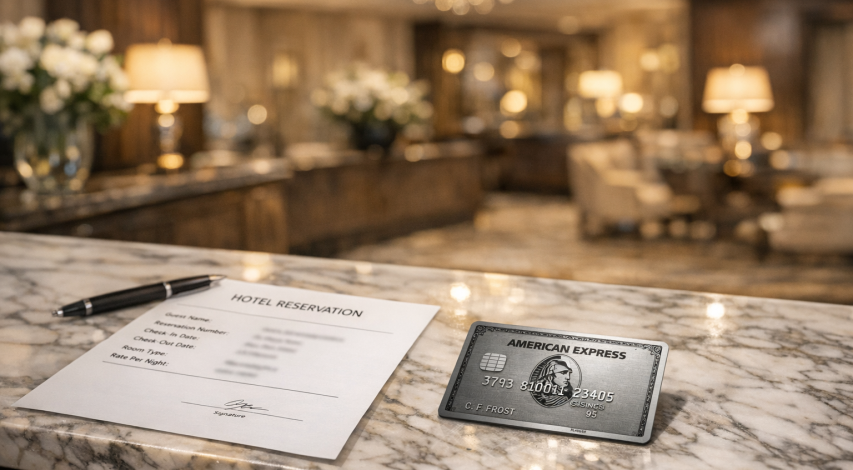
The distinction also matters because the burden of proof for a C18 dispute is tied directly to the lodging context. A merchant needs to show that a valid reservation was made, that the cancellation or no-show policy was disclosed and that the charge goes hand in hand with whatever terms the cardholder agreed to at booking. That is a different evidentiary standard than most other chargeback categories. Understanding credit card network rules can help clarify what Amex expects in these situations.
It is also worth noting that C18 can come from a genuine mistake on the cardholder's part or from deliberate misuse of the dispute process. In either case, the path forward for the merchant is the same. An understanding of what triggered the dispute is the first step to building a response that holds up. Merchants who never reply to a dispute risk an automatic loss, so timely action is essential.
The Timeline You're Working Against After a C18 Dispute
Once a C18 dispute is filed, a clock starts ticking - and the deadlines are not flexible. A cardholder has up to 120 days from the original transaction date to file a dispute with American Express. That means a no-show from three months ago can still come back to you well after the stay date has passed.
Here is the full overview of how the process moves once a dispute lands.
| Stage | Who Acts | Timeframe |
|---|---|---|
| Cardholder files dispute | Amex cardholder | Up to 120 days from transaction |
| Merchant response window | Lodging merchant | 20 days |
| Amex evidence review | American Express | 20-30 days |
| Full resolution | All parties | 40-60 days total |
Your window to respond is 20 days from the date American Express notifies you of the dispute; that's it. Missing that window weakens your case and can end it. Amex will usually choose in the cardholder's favor if you don't respond in time.
After you submit your evidence, American Express takes 20 to 30 days to review everything and reach a decision. The full process from dispute to resolution runs roughly 40 to 60 days. That may sound like enough breathing room, but the 20-day response window is where most lodging merchants run into issues.

Dispute notifications don't always land in the inbox you check every day. Some merchants find them in a secondary email account or buried in a merchant portal they don't visit regularly. By the time the notices arrive, half the response window is already gone.
It is worth building a process now so dispute notifications get flagged and acted on immediately - not whenever someone gets around to it. The timeline itself is simple, but it only works in your favor if you are ready to move fast from the second a dispute arrives.
What Triggers a C18 and Where Merchants Go Wrong
Most C18 disputes don't come from nowhere. A cardholder files one because something in their experience felt wrong - they didn't show up, a fee was charged and they have no memory of agreeing to it. That disconnect is usually the merchant's problem to solve, not the cardholder's.
One of the most common triggers is a no-show fee that the guest never explicitly acknowledged. A signed booking confirmation is not the same thing as written agreement to a cancellation or no-show policy. If the policy was buried in fine print, referenced on a separate page, or verbally mentioned at check-in, that's a weak foundation when a dispute lands on your desk.
The question worth asking is whether the guest ever agreed to the no-show fee in writing, in a way that's easy to prove. Not just a general booking agreement - a traceable acknowledgment of the charge they're now disputing. That single question is usually what separates a winnable case from one that falls apart.
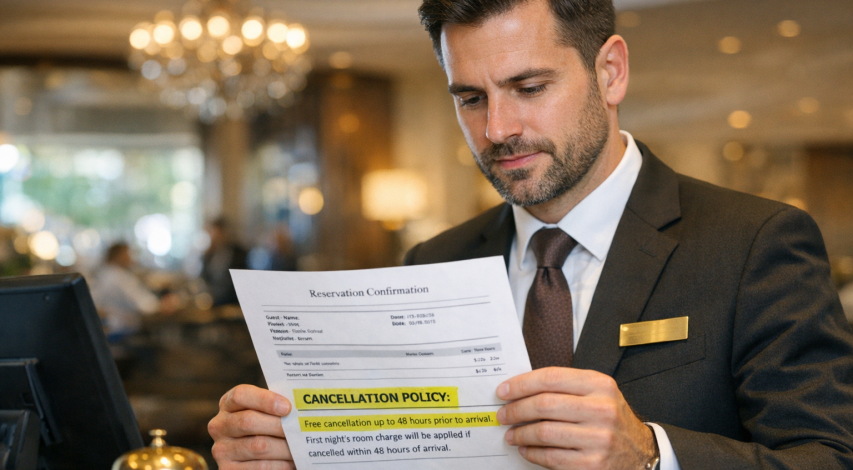
CARDeposit errors add another layer to this. A CARDeposit is meant to be a pre-authorization hold, not a completed charge. When merchants process it as a sale too early or apply it incorrectly after a no-show, cardholders have legitimate grounds to dispute. The card network rules around CARDeposits are strict and the margin for error is small.
Missing or delayed confirmation emails also create problems. If a guest never received written documentation of the reservation and its terms, they may legitimately have no record of what they agreed to. That gaps your paper trail and gives the dispute more credibility than it deserves.
Then there's the timing of communication. Charging a no-show fee without any prior notification - no email, no text, no follow-up - invites a dispute. Cardhollers who feel blindsided by a charge they didn't expect are far more likely to go straight to their bank. Reaching out before charging, even briefly, can change that outcome.
The underlying pattern across these is documentation. Merchants rely on the fact that a booking happened, when what actually matters is whether the terms attached to that booking were communicated and confirmed in a way you can show.
How to Build a Strong Rebuttal for a C18 Chargeback
Winning a C18 dispute can depend on one thing: documentation. A skeptical Amex reviewer needs to see a paper trail that proves the cardholder agreed to your terms. That you held up your end of the deal.
Vague or incomplete records are the most common reason merchants lose these cases. Saying "we have a no-show policy" is not enough - you'll have to show that the guest actually saw it, agreed to it, and that you charged what you said you would.
Evidence That Actually Carries Weight
Not all documentation is equal. The following types of evidence make the strongest case with Amex.
| Evidence Type | Why It Matters |
|---|---|
| Signed reservation or booking agreement | Shows the guest formally agreed to your terms before the stay or service |
| Cancellation policy acknowledgment | Proves the guest was informed of the no-show or deposit terms at the time of booking |
| Booking confirmation record | Establishes that a reservation was made and a deposit was collected for a specific date |
| Communication logs | Emails or messages that show the guest was contacted and did not cancel within the allowed window |
| Charge breakdown or invoice | Confirms the disputed amount matches what the policy states - no surprises |
If any of these pieces are missing, your rebuttal gets weaker fast. A signed agreement with no policy language is half the picture. A policy acknowledgment with no booking confirmation leaves gaps a reviewer will see.
How to Frame Your Response
A reviewer needs to answer one question: did this cardholder knowingly agree to a charge they are now disputing? Your job is to make that answer obvious.
Lead with the signed agreement and policy acknowledgment, then attach the booking record and any relevant communication. Keep your rebuttal letter short and factual - walk the reviewer through the timeline with your documents as proof, not your narrative alone.
If the guest reached out to cancel late or not at all, include those communication logs too. Silence from a guest can work in your favor if you have a record showing your outreach went unanswered. If the dispute involves a partial refund already issued, it's also worth reviewing how to handle a chargeback filed after a partial refund before submitting your response.
Keeping C18 Chargebacks From Becoming a Recurring Headache
The timelines are tight and the rules are, but that's actually good news. A well-defined process means there's no guessing involved. When you receive a C18 dispute, you know what to collect, what to say, and how fast to respond. Operators who struggle most with these chargebacks are usually the ones piecing together evidence after the fact instead of pulling it from an organized system they already have in place.

The most helpful step you can take is to audit your booking workflow before the next dispute arrives. Think about whether your cancellation policy is visible at the point of booking, whether guests are actively agreeing to it in writing, and whether your records connect a cardholder to a reservation and charge. If any of the answers feel uncertain, that's where to start. A little preparation makes travel-related disputes far less stressful - and far more winnable - tomorrow.
FAQs
What is American Express chargeback reason code C18?
C18 is an American Express chargeback code exclusive to lodging merchants. It applies when a cardholder disputes a no-show fee or a CARDeposit charge, claiming they either cancelled the reservation or shouldn't have been charged.
How long does a cardholder have to file a C18 dispute?
Cardholders have up to 120 days from the original transaction date to file a C18 dispute with American Express, meaning a no-show charge from months ago can still result in a chargeback.
How long do merchants have to respond to C18?
Merchants have 20 days from the date American Express notifies them of the dispute. Missing this window typically results in an automatic decision in the cardholder's favor.
What evidence helps win a C18 chargeback dispute?
The strongest evidence includes a signed booking agreement, written cancellation policy acknowledgment, booking confirmation records, communication logs, and a charge breakdown matching your stated policy terms.
What commonly triggers a C18 chargeback?
Common triggers include no-show fees the guest never explicitly acknowledged in writing, incorrectly processed CARDeposits, missing booking confirmation emails, and charging guests without prior notification.