 Call (844) NO-DISPUTES

P01: Unassigned Card Number
P01 is a response code that tells you the card number used in a transaction hasn't been assigned to an active account - it sounds easy enough, but the causes behind it and the steps needed to resolve it aren't always simple. Whether you're a merchant trying to understand a declined transaction or troubleshooting on the backend, the facts matter.
I'll walk through what P01 means, why it happens, and what the right next steps look like depending on your position in the transaction. No complex language overload - just helpful information you can use.
What the P01 Reason Code Actually Means
A P01 chargeback comes down to one thing: the card number used in a transaction doesn't match any valid account in American Express's system; it's what "unassigned card number" means - Amex ran the number and came back with nothing.
P01 sits under Amex's "Processing Errors" category, which is a real distinction because it separates this type of dispute from fraud claims and cardholder complaints. Nobody is saying the purchase was unauthorized or that the goods never arrived - the problem is that the transaction was processed with a number that doesn't belong to an active account.
There are a few ways it will happen in practice. Manual card entry is one of the most common causes - a single wrong digit is enough to produce a number that Amex can't verify. Transcription mistakes during order processing have the same effect, and that's also the case in phone or mail order environments where card details get passed between systems or staff members.
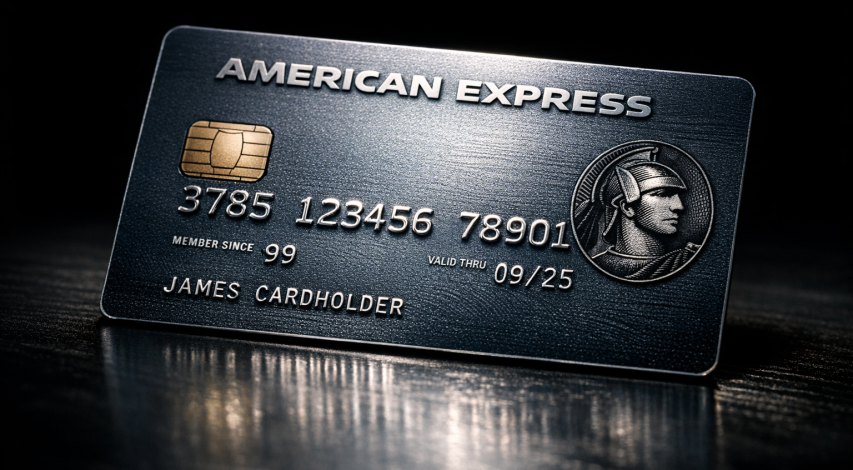
Outdated stored card data is another common factor. When a merchant stores a card number on file and the account has since been closed or replaced, that old number no longer matches anything. A transaction run against it will fail the same way a mistyped number would. This is closely related to the non-matching account number issue that merchants encounter across card networks.
What these have in common is that the error lives on the processing side. The cardholder doesn't file a P01 dispute, and it doesn't trigger a fraud alert - it starts when Amex checks the account number against its records and finds no match. The transaction can't be connected to a real, active account, so Amex flags it as a processing error and the chargeback process begins from there. If you're unsure what happens when you don't respond, it's worth understanding what happens if you never reply to a credit card dispute.
This distinction matters because it shapes how a merchant can respond. A Processing Error dispute has a different paper trail and a different logic than a fraud-based one.
How Amex Triggers a P01 Without the Cardholder
Most chargebacks start because a cardholder contacts their bank to dispute a charge. P01 works differently. Amex flags it through its own internal validation process - not because a customer complained.
When a transaction comes in, Amex checks the card number against its account records. If the number doesn't match a valid, active account, the system rejects it and generates the P01 code automatically. No cardholder involvement is needed at any point in that process.
That's worth knowing because it changes what you're actually responding to. You're not responding to a customer who feels wronged - you're responding to a data mismatch that Amex's system caught before the cardholder even knew a charge was tried.

One reason this happens more than it should is outdated card data. Amex runs a service called CardRefresher which pushes updated card numbers to merchants when accounts are reissued. If your payment system isn't connected to that service, or if the update didn't go through correctly, you might still be charging against an old number that no longer maps to an active account.
That's the part that trips merchants up. The card was real. The customer is real. But the number you used has been replaced and Amex's system has no way to treat that charge as valid.
The distinction between a system-triggered dispute and a cardholder-initiated one matters for how you build your response. A cardholder dispute is going to need proof that the transaction was authorized and legitimate. A system-validation failure means the core problem is a card number that didn't match - and your response needs to address that directly instead of relying on authorization evidence alone.
Knowing where the flag came from helps you gather the right documentation instead of sending Amex information that doesn't answer the question their system raised.
The Response Window and What Merchants Can Lose
Once a P01 chargeback lands, the clock starts instantly - and merchants get 20 days to respond. That window includes the time your acquirer spends looking over and forwarding the case before it reaches you, so a chunk of that time may already be gone.
| Stage | Who's Involved | Timeframe |
|---|---|---|
| Chargeback issued | Amex system | Day 0 |
| Acquirer review & forwarding | Acquirer | Varies |
| Merchant response window | Merchant | 20 days total |
| Full resolution | Amex | 40-60 days |
The full process from chargeback to resolution can run anywhere from 40 to 60 days. That stretch belongs to Amex, and merchants have no control over it once the response is submitted.
Missing the 20-day window is a real problem. If you don't respond in time, Amex treats the chargeback as uncontested and the transaction amount is forfeited automatically. There's no grace period and no appeal based on lateness alone.

What's at stake financially goes a bit beyond the transaction value. Chargeback fees from your acquirer still apply whether you win or lose, and a pattern of uncontested P01 disputes can affect your chargeback ratio. A high ratio puts your merchant account at risk of being flagged or terminated.
The tighter part of this timeline is the acquirer handoff. Some merchants don't get notified until days into that 20-day window because their acquirer takes time to process and route the dispute. Checking your chargeback notifications frequently instead of in batches makes a real difference here.
A well-prepared response submitted early gives Amex more time to review your evidence before the resolution period closes.
What Valid Dispute Evidence Looks Like for P01
Because P01 is a processing error, your evidence needs to do one thing above all else: show that the card number was valid. That your system handled it correctly. This is not a fraud case or a "customer changed their mind" situation, so character references and refund policies won't help you here.
The strongest piece of evidence is a full authorization record - this shows the card number was submitted to the network, approved, and matched with an actual account at the time of the transaction. If your processor returned an approval code, that record is worth including in full.
Transaction receipts come next, and they should match your authorization data. Any difference between what was authorized and what was settled can weaken your case - even if the numbers are close. Acquirers look at consistency, so everything you submit needs to tell the same story.
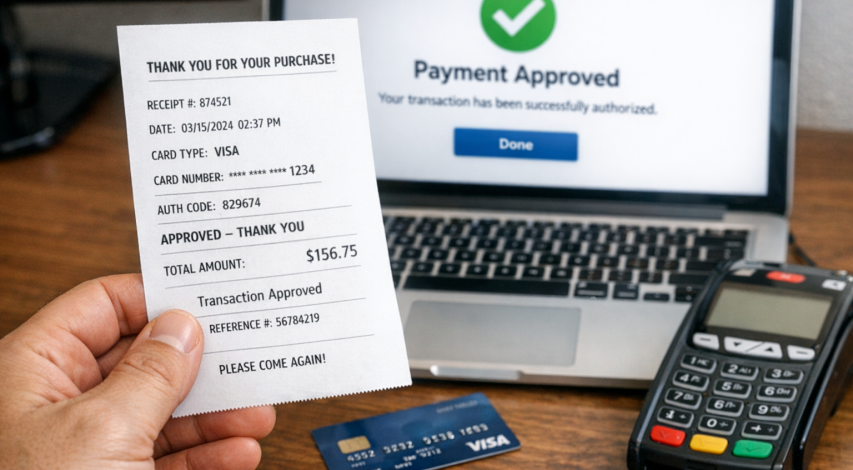
Account verification logs can also help, and that's also the case if your system ran an address check or card verification value match before completing the sale. These records show that the card number went through an actual validation step and was not just entered as a placeholder or test value.
Weak evidence usually looks like a partial receipt, a screenshot of an order confirmation, or a customer communication with no payment data attached. None of these touch the card number, which is the whole point of the dispute.
Incomplete submissions are usually losing ones. Acquirers need to see a connected trail from card entry to authorization to settlement, and if any part of that is missing, the response falls apart. A missing document is not the only issue - without the full chain, there's nothing to verify.
If you can pull authorization records directly from your payment gateway or processor, do that first. That data is the foundation of any P01 response.
How to Stop P01 Chargebacks Before They Start
Most P01 chargebacks trace back to a handful of habits that are easy to fix once you know what to look for. Prevention here is mostly about keeping your systems clean and your card data current.
Stale card data is the biggest culprit- this happens quite a bit with subscriptions and recurring billing; a card gets replaced or reissued and the stored number never gets updated. The charge goes through on an old, unassigned number and the dispute follows shortly after.
Manual card entry is another weak point. When staff type in card numbers by hand, the chance of an error goes up and so does the chance of a P01 dispute landing in your lap. Where you can, move to card-on-file systems or use a payment gateway that tokenizes card data automatically. Tokenization replaces the raw card number with a protected token, so even if the underlying card changes, the payment link stays good.

American Express has a tool called CardRefresher that's worth learning about- it automatically updates card details on file when a cardmember gets a new number so your recurring charges can continue without interruption. If you process a real volume of Amex transactions, it is worth enabling.
A few helpful habits to build into your process:
- Prompt customers to update their card details before a billing cycle runs rather than after a failed charge.
- Use account updater services through your payment processor to keep stored card numbers current.
- Audit your subscription billing records periodically to flag cards that have not been updated in a long time.
- Train staff to double-check manually entered card numbers before submitting a transaction.
None of this is tough- it comes down to not letting card data go stale and building in a few checks to catch errors before they turn into disputes.
Keep Your Card Data Clean and Your Chargebacks Low
The merchants who don't fight P01 chargebacks are the ones who don't see them. A little scheduled maintenance on your authorization and settlement processes goes a long way toward keeping these disputes off your radar.
Before you move on, run through these quick action items:
- Audit your card capture process. Confirm that card numbers are being recorded and transmitted accurately at the point of sale or through your payment gateway, with no truncation or formatting errors slipping through.
- Check your response window. Know exactly how many days you have to respond to a P01 dispute under your acquirer's network rules - then build in a buffer so a busy week never costs you a rebuttal opportunity.
- Pull a sample of recent transactions. Spot-check that the card numbers in your authorization records match what settled, especially if you've recently changed processors, updated your POS system, or migrated to a new gateway.
Knowing why a chargeback happens is half the battle. You're already ahead of the merchants who treat every dispute as a mystery, and that puts you in a much stronger position to protect your revenue going forward.
FAQs
What does the P01 response code mean?
P01 means the card number used in a transaction doesn't match any valid, active account in American Express's system. It falls under Amex's "Processing Errors" category and is triggered by a data mismatch, not a cardholder complaint.
Does a cardholder initiate a P01 chargeback?
No. P01 is triggered automatically by Amex's internal validation system when a card number fails to match an active account. The cardholder does not need to file a dispute for this code to be issued.
How long do merchants have to respond to P01?
Merchants have 20 days to respond to a P01 chargeback. This window includes time your acquirer spends reviewing and forwarding the case, so available response time may already be reduced when you receive the notice.
What evidence should merchants submit for a P01 dispute?
The strongest evidence is a full authorization record showing the card number was approved at the time of the transaction. Transaction receipts, account verification logs, and CVV or AVS match records also support your case.
How can merchants prevent P01 chargebacks?
Keep stored card data current using account updater services or Amex's CardRefresher tool. Minimize manual card entry, use tokenization, and audit recurring billing records regularly to catch outdated card numbers before they trigger disputes.