 Call (844) NO-DISPUTES

C05: Goods/Services Cancelled
C05 is one of the more common dispute types for businesses that work on subscriptions, retainers, or any recurring billing model. A customer cancels a gym membership, a software plan, or a delivery service - and if the charge still comes through, or if the cancellation wasn't processed cleanly on your end, American Express may side with them and pull the funds back. Even if you believe everything was handled correctly, the chargeback can still land.
The good news is that C05 disputes are not exactly automatic losses. Whether you're looking to fight a chargeback, understand what triggered it, or build better processes to avoid the next one, there's a path forward - this post walks through what the C05 code actually means, the most common reasons it gets filed, how to build a strong representment case, and the operational changes that can cut back on your exposure over time.
What C05 Actually Means for Your Business
A C05 chargeback means a cardholder told American Express they cancelled an order or service, but the charge still seemed to be on their account. Amex then comes in on their behalf and pulls the full transaction amount back from your account - instantly, before any investigation.
This falls under what Amex calls "Card Member Disputes," a category that covers situations where a customer feels they were charged for something they shouldn't have been. Amex takes this category seriously, and that's partly due to the Fair Credit Billing Act of 1974, which gives cardholders the right to dispute charges they believe are incorrect. In practice, that means Amex moves faster and sides with the cardholder early in the process.
The financial hit lands fast. The full sale amount gets pulled from your merchant account the second the dispute is filed, and a chargeback processing fee gets added on top of that.

For bigger businesses, one or two of these in a month can seem manageable. For smaller merchants, even a single C05 dispute can put a real dent in cash flow - especially if it involves a higher-ticket transaction. You lose the revenue from that sale, any product or service already delivered, and the fee.
There's also the longer-term side to consider. Amex tracks chargeback activity, and a rising rate of disputes can put your merchant account status at risk. C05 chargebacks count toward that rate, so they're not something to let accumulate without a plan to address them.
C05 disputes are not automatically a sign that something went wrong on your end, but how prepared you are makes a real difference in whether you recover the funds or absorb the loss.
The Most Common Reasons C05 Chargebacks Get Filed
Customers don't file chargebacks on a whim. There's usually a moment where something went wrong, and those moments help you see where the process broke down.
The most standard trigger is a cancellation that the customer believed went through but didn't. A customer submits a cancellation request and never gets a confirmation email. From their perspective, the cancellation happened. From yours, there's no record of it. That gap is where disputes are born.
Subscription renewals are another big one. If a customer signed up months ago and forgot the renewal date, a charge can seem like it came from nowhere - this gets worse when the billing cycle wasn't made clear at sign-up or when reminder emails went to spam.
Free trials that convert to paid plans are an especially sharp edge case. A customer signs up to try something for free, forgets to cancel, and then sees a charge they didn't feel like they agreed to. Even if the terms were technically disclosed, a cardholder who feels blindsided will frequently go straight to their bank.

Confusing cancellation policies also push customers toward chargebacks. If the cancellation process means multiple steps, a login they've forgotten, or a phone call instead of a click, some customers won't bother - they'll dispute the charge instead. A clear credit card descriptor can also reduce confusion about what they were even charged for in the first place.
Here's a quick look at the most common scenarios:
| Scenario | Why It Leads to a C05 |
|---|---|
| No cancellation confirmation sent | Customer assumes it went through and disputes the next charge |
| Subscription renewal without a reminder | Charge feels unexpected and unauthorized |
| Free trial auto-converted to paid | Customer didn't feel the terms were clear enough |
| Cancellation request lost on merchant's end | Charge goes through after customer believed they'd cancelled |
| Difficult cancellation process | Customer disputes rather than navigate the steps |
The C05 Dispute Timeline You Need to Know
Once a C05 chargeback is filed, a strict clock starts. The whole process runs on set windows, and missing any one of them - especially the first - can end the dispute before you get an actual chance to respond.
| Stage | Who Acts | Timeframe |
|---|---|---|
| Chargeback Filed | Cardholder / Amex | Day 0 |
| Merchant Response Window | Merchant / Acquirer | 20 days |
| Amex Review Period | American Express | 20-30 days |
| Full Resolution | All Parties | 40-60 days |
The chargeback is filed on Day 0, which is when American Express notifies your acquirer and the disputed funds are pulled from your account. From that second, you have just 20 days to submit your response with supporting evidence.
That 20-day window is the one that matters most. If you miss it, American Express will almost certainly rule in the cardholder's favor automatically - not because the dispute was valid, but because no one pushed back.

Once your response goes in, American Express takes over. Their review period runs 20 to 30 days, during which they look at everything both sides submitted to reach a decision. You won't need to take any action during this phase, but you should monitor your case for any requests for extra information.
From start to finish, expect the full process to take between 40 and 60 days. That timeline can seem long, but the only stage you control is the response window. Get your evidence together faster and submit it well before the deadline to keep the dispute in play. If you've already issued a refund, it's worth understanding how refunds interact with an open chargeback before you submit your response.
Building a Strong Rebuttal to Win a C05 Dispute
With the clock already running, what you submit in your rebuttal needs to do the heavy lifting on its own. Amex reviews merchant replies within 20 to 30 days, and there's no actual opportunity to patch a weak submission after the fact. Get it right the first time.
Your strongest evidence will center on your cancellation policy. A screenshot showing the policy as it appeared at checkout - with a visible timestamp or URL - tells Amex that the customer had access to it before completing the purchase. Pair that with an email confirmation log showing the policy was sent to the customer directly, and you have a good foundation.
If the service was delivered or partially fulfilled before the cancellation, document that separately and explicitly. Merchants sometimes trip up by labeling something as "delivered" in a general summary when the records show a cancellation date. Amex looks at the specifics, so your documentation needs to align with the timeline in exact terms instead of general language.
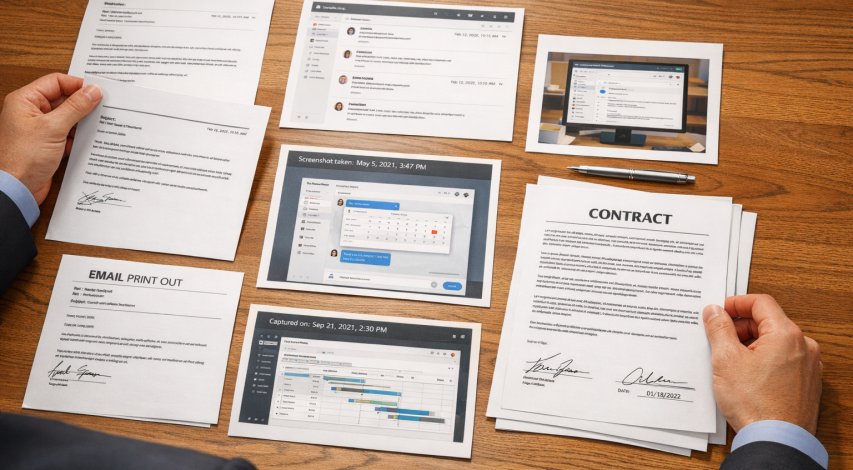
Signed agreements and customer communication records round out a submission. A signed contract that references cancellation terms carries actual weight, and that's also the case when the customer's own messages acknowledge the policy or the service they received. Include those exchanges in full instead of in excerpt form.
Incomplete submissions are the most common reason merchants lose disputes they'd have won. Vague statements like "service was provided as agreed" without supporting records don't move the needle. Every claim in your rebuttal should have a corresponding document behind it.
| Evidence Type | What It Demonstrates |
|---|---|
| Cancellation policy screenshot | Customer had access to terms before purchase |
| Email confirmation log | Policy was communicated directly to the customer |
| Proof of delivery or fulfillment | Service was rendered before any cancellation |
| Signed agreement | Customer acknowledged the cancellation terms |
| Customer communication records | Shows the customer's own acknowledgment of service or policy |
Cancellation Policy Gaps That Invite C05 Disputes
A weak cancellation policy doesn't just frustrate customers - it practically sends them to their bank. When terms are buried in fine print, when there's no confirmation email after a cancellation, or when the only way to cancel is a phone call with a long hold time, customers lose confidence fast. That lost confidence turns into chargebacks.
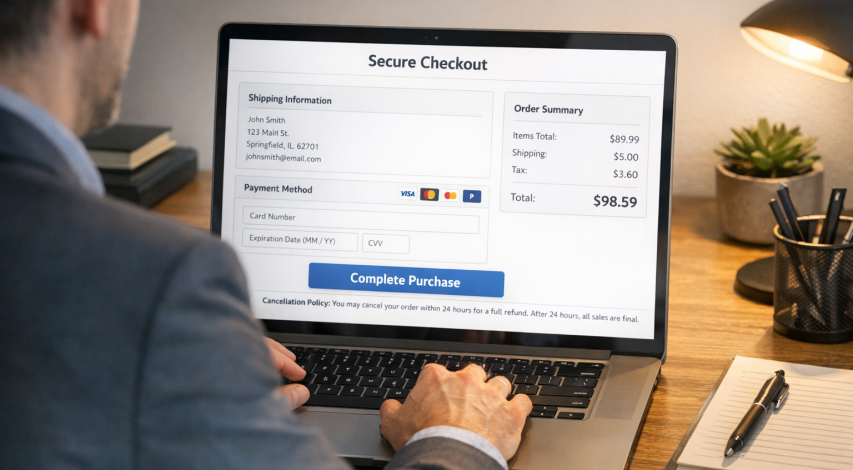
The fix starts at checkout. Your cancellation terms need to be visible before the customer completes a purchase - not tucked away on a separate page they'd have to search for. A short sentence near the payment button, or a checkbox that confirms the customer has read the terms, goes a long way toward showing intent and awareness on both sides.
Automated confirmation emails are just as important. Every cancellation should trigger an immediate email that confirms the request, includes a reference number, and states when the cancellation takes effect - this gives you a paper trail that's helpful if a dispute comes up later.
Self-serve cancellation options cut back on friction for everyone. When customers can cancel through their account portal without contacting support, they're less likely to feel stuck or ignored. That feeling of being stuck is one of the most common reasons a customer goes to a chargeback instead of the merchant.
There's also a bigger picture worth keeping in mind. Acquirers monitor chargeback rates on a monthly basis, and a pattern of C05 filings can put your merchant account at risk over time. Losing individual disputes is one problem, but what those disputes signal to your payment processor about how your business handles cancellations is a bigger one.
Tightening up your policy now is easier than handling the fallout later. If your chargeback rate climbs high enough, you risk being flagged as an excessive chargeback merchant - a designation that can threaten your ability to process payments altogether. Small structural changes - like clearer terms, better email automation, and a self-serve portal - can meaningfully cut back on the number of customers who feel like a chargeback is their only option.
Keeping C05 Chargebacks From Becoming a Pattern
Keep your response window front of mind. With only 20 days to submit a rebuttal, a dispute that sits unnoticed can become a loss by default. Check your dispute queue so nothing slips through.

Before your next chargeback arrives, run through this short checklist:
- Review your cancellation policy and confirm it is clearly visible at checkout and in your terms
- Audit your cancellation confirmation emails to ensure customers receive immediate, unambiguous proof that their request was processed
- Organize your dispute records so that order details, communications, and cancellation logs are easy to pull together quickly
Small adjustments here can meaningfully cut back on your exposure to C05 disputes over time. Treat each one as a helpful reminder that communication and good documentation are among the best tools a merchant has. If a customer files a dispute after you have already issued money back, see how to handle a chargeback after a partial refund. For merchants looking to strengthen their overall dispute process, understanding chargeback representment is a solid place to start.
FAQs
What does a C05 chargeback mean for merchants?
A C05 chargeback means a cardholder told American Express they cancelled a service but were still charged. Amex pulls the disputed funds from your merchant account immediately, before any investigation takes place.
How long do merchants have to respond to C05 disputes?
Merchants have 20 days to submit a rebuttal with supporting evidence. Missing this window typically results in an automatic ruling in the cardholder's favor, regardless of whether the dispute was valid.
What evidence helps win a C05 dispute?
Strong evidence includes a cancellation policy screenshot, email confirmation logs, proof of service delivery, signed agreements, and customer communication records. Every claim in your rebuttal should be backed by a specific supporting document.
Why do customers file C05 chargebacks?
Common triggers include cancellations with no confirmation email, unexpected subscription renewals, free trials converting to paid plans, and overly complicated cancellation processes that push customers toward disputing instead.
How can merchants reduce C05 chargebacks long-term?
Display cancellation terms clearly at checkout, send immediate confirmation emails for every cancellation, and offer a self-serve cancellation portal. These steps reduce customer frustration and give you a stronger paper trail if disputes arise.