 Call (844) NO-DISPUTES

Chargeback Prevention Software With the Best ROI in 2026

The chargeback prevention software market has matured significantly heading into 2026. What used to be a fragmented combination of basic alerts and manual review tools has evolved into refined platforms combining real-time transaction monitoring, machine learning-based fraud scoring, and direct integrations with card network dispute programs. The options are better - but so is the difficulty of picking between them.
Return on investment is the right lens for looking at these tools. But it's also the one most vendors obscure. A platform charging $1,500 per month might outperform a $300 alternative if it's stopping the right disputes at the right time - this post cuts through the pricing noise and focuses on which services actually deliver measurable, defensible ROI for different business types and transaction profiles.
What follows is a helpful overview of the strongest-performing chargeback prevention platforms available in 2026 - how they work, what they cost, where they excel, and which merchant profiles get the most value from each.
Why Chargeback Rates Climbed So Fast and What That Costs You
Chargeback rates surged 53% across 2025, and that number goes along with a change in how disputes are being filed. Friendly fraud is a big part of the story - cardholders disputing legitimate purchases, sometimes intentionally and sometimes because they don't recognize a charge on their statement. Subscription billing has made this worse, because recurring charges are easy to forget and even easier to dispute.
Digital goods are another pressure point. When there's no physical item to return, card networks tend to side with the cardholder more readily, which means merchants selling software, media, or online services carry a higher dispute risk by default.

By Q3 2025, the average chargeback rate had reached 0.26% across merchant categories. That matters because Visa and Mastercard set their thresholds at around 0.9% and 1% respectively - but processor monitoring programs can kick in well before reaching those limits. Sitting at 0.26% puts merchants closer to those warning zones than they may realize.
The cost of a chargeback is almost never just the disputed transaction amount. Every lost dispute also comes with a chargeback fee from your processor, which usually runs between $20 and $100 per case. If merchandise was already shipped, that's gone too. And if your rate climbs high enough, you could be looking at higher processing fees, a reserve requirement, or full account termination.
| Cost Type | What It Means for You |
|---|---|
| Chargeback fee | $20-$100 per dispute, win or lose |
| Lost merchandise | No recovery on shipped goods |
| Processor penalties | Higher rates or rolling reserves |
| Account termination | Placement on the MATCH list |
Placement on the MATCH list can make it extremely hard to find a new processor, sometimes for years. The financial hit compounds fast, and it starts with a single percentage point creeping in the wrong direction.
How Chargeback Prevention Software Actually Works
Most platforms work across three layers, and each one helps in different ways depending on what you sell and how you bill.
The first layer is pre-transaction danger scoring. Before a payment goes through, AI models scan behavioral tells - device fingerprints, buy velocity, email age, and dozens of other data points - to flag transactions that look suspicious. Kount found that this AI scoring cut chargeback-to-transaction ratios by 24% across 9,000 merchant sites, which is a real result at scale.
The second layer is real-time alert networks. When a cardholder calls their bank to dispute a charge, networks like Ethoca and Verifi can push that alert to the merchant before the chargeback is officially filed - this gives you a window to refund the transaction and stop the dispute from becoming a formal chargeback on your record. That window is small - sometimes hours - so automation matters here.
The third layer is post-dispute representment. When a chargeback does land, software can automatically collect transaction evidence, build a response package, and submit it to the card network - this removes the manual scramble that most merchants lose time to.
Here is where business type starts to shape your results. Kount's data shows that online goods merchants saw a 38% reduction in chargeback ratios from AI scoring, and subscription billing came in at 31%. Physical goods merchants only saw 14% improvement from the same technology.
The gap makes sense when you see what the AI is reading. Digital and subscription transactions leave rich behavioral trails that pattern well against known fraud. Physical goods have more variables - shipping addresses, third-party carriers, return claims - that are harder to score accurately before the transaction clears.
The three layers are always present in a full-stack platform. But how much each one changes your ROI depends heavily on what you sell and how you bill.
Measuring ROI Before You Buy - Metrics That Actually Matter
Before committing to any platform, you need a way to judge if it will actually pay for itself. That can depend on four numbers worth tracking closely: your win rate on representments, your alert coverage rate, the false positive rate on legitimate sales, and net revenue recovered versus what the software costs you each month.
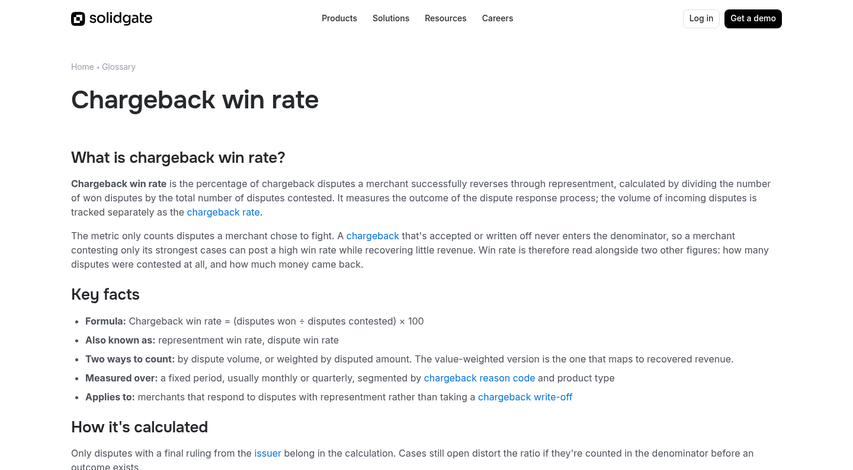
Win rate matters most, and if a platform wins 40% of disputed transactions while you're losing 80% on your own, that gap has a direct dollar value you can calculate right.
Alert coverage rate tells you what percentage of incoming disputes the software catches before they become formal chargebacks. A high win rate means nothing if the tool only sees a fraction of your dispute volume. You want both numbers to be strong.
False positives are worth watching. Some prevention tools flag legitimate transactions as fraudulent, and that means customers get declined and revenue walks out the door. A platform with aggressive blocking but poor accuracy can cost you more than the chargebacks it stops. Understanding how to avoid false positives in fraud detection can help you evaluate whether a tool is calibrated correctly.
Chargeflow has published a reported 4x ROI and a 75% representment win rate, which gives you a helpful benchmark to pressure-test against your own numbers. If your average chargeback is worth $150 and you get 80 disputes a month, you're looking at $12,000 in monthly exposure. A platform recovering 60-75% of that changes the math pretty fast.
Build a simple break-even calculator before signing anything. Take your monthly dispute volume, multiply it by your average chargeback value, then apply the platform's published win rate to get an estimated recovery figure. Subtract the platform's monthly cost and you have a rough net gain to review.
If the numbers don't work at your current dispute volume, that's the answer. Some platforms make more sense at scale, and the next section breaks that down by platform so you can compare.
Comparing the Top Platforms by Cost, Coverage, and Performance
Not every platform handles disputes the same way. Some have alerts to stop chargebacks before they're filed, others manage representment to fight disputes after the fact, and some do both. The pricing models are just as different - flat monthly fees tend to be more helpful for high-volume merchants. But contingency pricing (where you pay a cut of recovered funds) fits businesses that want to limit upfront spending.
Here's a quick look at how some of the leading platforms compare.
| Platform | Pricing Model | Win Rate / ROI | Best Fit Use Case |
|---|---|---|---|
| Chargeflow | Contingency (% of recovered revenue) | 4.7★ Shopify rating; strong eCommerce recovery | Shopify merchants wanting automated representment |
| Ethoca Alerts | Per-alert fee | 78-89% chargeback reduction (documented cases) | Merchants who want to stop disputes before filing |
| Verifi CDRN | Per-alert fee | 78-89% chargeback reduction (documented cases) | High-volume merchants with Visa-heavy transaction mix |
| Chargebacks911 | Flat fee / custom | Varies by vertical | Merchants wanting managed dispute services |
One thing worth knowing about Chargebacks911: the company settled an FTC action in 2023. The facts are public record and something to read through as part of your normal due diligence process.

Alert-based tools like Ethoca and Verifi work at the network level to intercept disputes early; that's where the 78-89% reduction figures come from - they apply to cases where the chargeback never reaches the bank at all.
Chargeflow focuses on automating the representment process for merchants who are already receiving disputes. Its contingency model means you only pay when it wins, which is a low-risk way to test the platform's performance against your own transaction data.
Red Flags to Watch for When Evaluating Chargeback Software
Not every platform that looks good on a demo page will actually perform for your business. A few warning signs are worth learning about before getting into any conversations with vendors.
The first thing to question is a vague win rate claim. If a vendor tells you they win 80% of disputes but can't explain how they calculate that number, push back. Win rates can be measured in different ways, and a number without methodology behind it isn't helpful to you.
Contingency-based pricing is another area to watch. Some tools take a percentage of recovered funds, which sounds low-risk. But if that percentage is high, you can keep less than you'd expect even when the software performs well. Always run the math on your dispute volume before agreeing to that structure.
Ask vendors for case studies that match your business type. A platform might perform well for a large physical retailer and struggle for an online subscription service, because the dispute patterns and evidence types are different. General averages won't tell you what you need to know.
Be careful with tools that connect to only one alert network. A single network gives you limited coverage, and gaps in coverage mean disputes that could have been caught early will slip through.
Long-term contracts that lock you in before the platform has proven results are also a concern. A vendor that's confident in their product should be willing to let performance speak before asking for a long commitment. If they're not open to that conversation, take note.
ROI looks very different depending on what you sell and how you sell it. The numbers that impressed someone else may have no relevance to your situation at all; it's why doing your own due diligence matters more than taking anyone's word for it.
Pick the Tool That Fits Your Business, Not the Best-Sounding Pitch
A sound rollout strategy matters as much as the software itself. Start with alert coverage to intercept disputes before they become formal chargebacks, then layer in representment automation once that foundation is stable - this sequencing keeps your chargeback rate moving downward steadily instead of creating gaps that push you toward card network thresholds. No tool removes chargebacks entirely, and any vendor that implies otherwise deserves extra scrutiny. The basic goal is reduction to a manageable, sustainable rate - one that keeps you well clear of the thresholds that trigger monitoring programs and penalties.

The timeline to measurable results is shorter than most merchants expect. With the right solution configured, most merchants see ROI within the first 90 days. Use this framework to narrow your options, request pilots with your live transaction data, and treat that first 90-day window as your proof-of-concept period. The numbers will tell you faster if you have the right fit.
FAQs
What is chargeback prevention software and how does it work?
Chargeback prevention software uses AI fraud scoring, real-time alert networks, and automated representment to stop disputes before or after they're filed. It works across three layers: pre-transaction risk scoring, dispute alerts from networks like Ethoca and Verifi, and automated evidence submission for formal chargebacks.
How fast can merchants expect ROI from chargeback software?
Most merchants see measurable ROI within the first 90 days when the right solution is properly configured. Starting with alert coverage first, then layering in representment automation, helps produce steady chargeback rate reductions more quickly.
What metrics matter most when evaluating chargeback prevention platforms?
Focus on representment win rate, alert coverage rate, false positive rate on legitimate sales, and net revenue recovered versus monthly software cost. A high win rate means little if the platform only captures a small fraction of your total dispute volume.
What are the red flags when choosing chargeback prevention software?
Watch for vague win rate claims without clear methodology, high contingency fees, single-network alert coverage, long-term contracts before proven results, and case studies that don't match your business type or billing model.
Why did chargeback rates increase so significantly in 2025?
Chargeback rates surged 53% in 2025, driven largely by friendly fraud, forgotten subscription charges, and digital goods disputes where card networks more readily side with cardholders due to the absence of a physical item to return.