 Call (844) NO-DISPUTES
What is Auto-Representment?
Auto-representment is an automated process that lets merchants challenge chargebacks without manually building a case from scratch every time. Instead of dedicating staff hours to collecting evidence and filing disputes, the system works with it - pulling relevant transaction data, compiling a response and submitting it to the card network on your behalf.
For high-volume merchants especially, this technology can make a difference in recovery rates and operational efficiency. But like any tool, it works best when you know what it does, how it fits in your chargeback strategy and what its limitations are.
I'll break down how auto-representment works, who it's built for and what to know before relying on it as part of your dispute management process.
Auto-Representment, Explained in Plain English
When a customer disputes a charge with their bank, the bank issues a chargeback and pulls the funds back from the merchant. The merchant then has a window to fight back by submitting evidence - this is called representment. It's basically the merchant saying to the card network, "Here's proof this transaction was legitimate, and we'd like our money back."
That process has traditionally been manual. Someone on the merchant's team has to review the chargeback, collect the right documentation, format everything to meet card network laws, and submit it before the deadline. Miss the window or do it wrong, and the dispute is lost by default.
Auto-representment takes that entire process and hands it to an AI-driven system. The technology monitors incoming chargebacks, pulls relevant transaction data, builds a response package, and submits it - all without a person having to step in. The merchant doesn't have to assign it, review it, or chase a deadline.
Here's a quick look at what the system does silently.
It detects a new chargeback as soon as it comes in. It then pulls transaction data like order history, delivery confirmation, and prior communication records. From there, it matches that evidence to the reason code the bank used to file the dispute and builds a response that fits the card network's format. Finally, it submits everything within the timeframe.
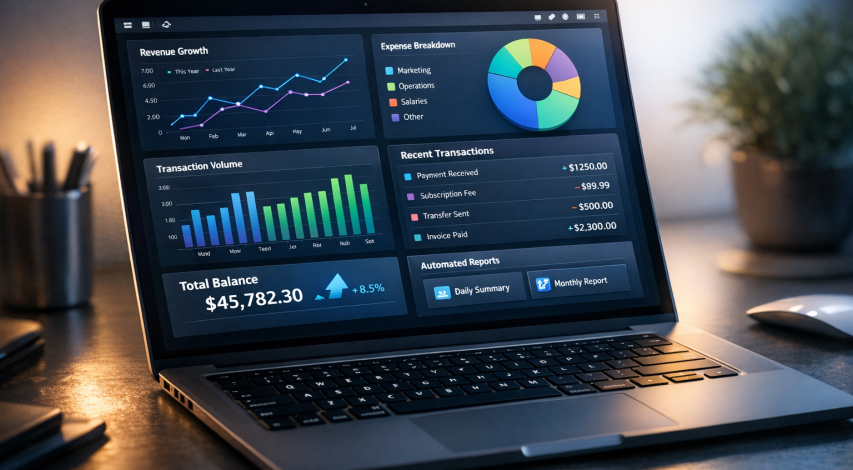
The difference between manual and automated representment comes down to speed and consistency. A human might miss a chargeback buried in a busy queue or submit the wrong type of evidence for a given reason code. An automated system applies the same logic every time and doesn't have an off day.
Auto-representment also goes beyond a faster version of the same process. The AI learns which evidence types perform best for dispute categories and adjusts its strategy accordingly - something a manual process can't replicate at scale.
Auto-representment is already in use across e-commerce, travel, and subscription-based businesses. The underlying goal is simple: to recover revenue from disputes that would otherwise go unanswered.
The Real Cost of Chargebacks Without Automation
A single chargeback is more expensive than most merchants expect. In 2023, the average cost per chargeback was expected to exceed $120. That figure includes more than just the disputed transaction amount.
When you fight disputes manually, your team has to pull the order records, write the rebuttal, collect the evidence, and submit everything before the deadline. That process can take hours per case. And if your chargeback volume is high, those hours add up into a drain on your workforce.
The dollar amount of the original transaction is just the starting point, with a few layers of financial damage underneath that are easy to miss.
You lose the product if it was already shipped. You pay processing fees whether you win or lose. Your team spends time building a case instead of doing other work. And if your chargeback ratio climbs too high, your payment processor may flag your account or raise your fees.

That last point is worth sitting with for a bit. A high chargeback ratio can put your merchant account at risk. Losing the ability to process card payments is a far bigger problem than any single dispute.
Manual dispute management also struggles with scale. A small team can reasonably manage a handful of chargebacks each month without too much friction. But volume spikes - like those after a holiday sale or a viral product launch - can overwhelm that process fast. Cases get missed. Deadlines pass. Disputes go uncontested and turn into automatic losses.
Here is a quick overview of where the actual costs live:
| Cost Type | What It Means in Practice |
|---|---|
| Transaction loss | The original sale amount is reversed to the cardholder |
| Chargeback fee | Your processor charges a fee per dispute regardless of outcome |
| Lost merchandise | Shipped goods are rarely returned after a chargeback is filed |
| Staff time | Manual review and response takes hours per case |
| Account risk | A high chargeback ratio can trigger penalties from your processor |
None of this accounts for the uncontested disputes that never get fought at all. When cases fall through the cracks, that revenue is gone.
How Win Rates Change When Automation Steps In
The numbers here are pretty telling. Merchants who fight chargebacks manually win roughly 45% of the disputes they represent, and after factoring in the time and labor involved, the net recovery rate sits around 18%. Automated representment pushes that win rate as high as the 60-65% range.
That gap exists for a simple reason. Manual replies are only as good as whoever is building them that day, and humans miss things under pressure. Automated tools pull the right evidence in the right format every time, with no inconsistency between one case and the next.
There's also a timing factor worth noting. Card issuers spend an average of just 3 minutes looking over each representment before making a choice; it's not much time to make an impression, so a clean and well-organized response performs better than a scattered one that buries the important evidence.
Automation is built around that constraint - it packages disputes in a format that's easy to scan quickly and leads with the strongest available evidence. A human building a response from scratch under a deadline is unlikely to hit that same standard.

| Metric | Manual Representment | Automated Representment |
|---|---|---|
| Win Rate | ~45% | 60-65% |
| Net Recovery Rate | ~18% | Significantly higher |
| Time Spent Per Case | Hours of manual work | Minutes with automated processing |
The recovery rate difference is the part that compounds over time. A higher win rate means more revenue comes back, and less time spent per case means your team is able to manage a bigger volume without adding headcount. Those two things together change the economics of dispute management in a meaningful way.
Manual processes also get slower as chargeback volume grows, but automated systems manage scale without the same friction. A business processing hundreds of disputes a month will feel that difference more than one taking care of a handful.
What Actually Happens During an Auto-Representment
Behind the scenes, auto-representment moves through a set of stages pretty quickly, and each one has to happen in the right order and within a strict time window - card networks give merchants a limited number of days to respond to a chargeback before the window closes.
- Transaction data gets pulled. The system retrieves the original transaction details - amount, date, card type, and merchant category.
- The dispute reason code gets matched. Each chargeback comes with a code that explains why the customer disputed the charge. The system reads that code and determines what type of evidence applies.
- Evidence gets compiled. The system pulls the relevant documentation - things like delivery confirmation, AVS match data, or authorization records - based on what that specific reason code calls for.
- The case gets submitted. Everything gets packaged into a rebuttal and sent to the issuing bank before the deadline hits.
The whole process can run without a human touching it; that's the point - speed and consistency at a scale that manual review can't match.
That said, not every case ends at the representment stage. Around 4.8% of disputes escalate to pre-arbitration, which is where the card network comes in to make a final call. At that point, the stakes change and so does the process.

Pre-arbitration is expensive and the outcome is less predictable. When a case reaches that stage, it usually means the issuing bank pushed back on the representment response and neither side has backed down. Automation can flag these cases and lay the groundwork, but a human usually needs to take over from there.
Pre-arbitration matters to know about because it changes how you think about auto-representment as a whole. The system handles the bulk of cases well, but it works best as the first layer of a response process instead of the only one. The automation takes the repeatable work off the table so human attention can go to the cases that actually need it.
Is Auto-Representment Worth It for Your Business?
Your business may be a strong candidate for auto-representment if you find any of the following:
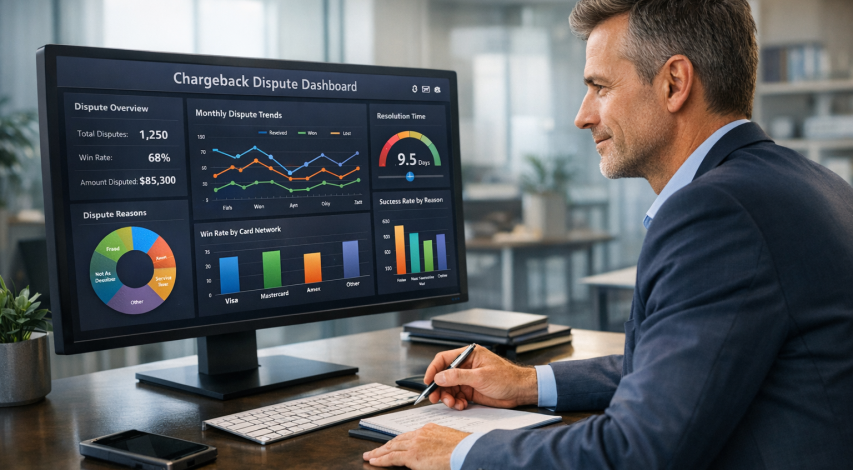
- You're dealing with a high volume of disputes that eat into staff time and resources
- Your team lacks the bandwidth to manually build evidence packages for every case
- You're seeing recurring fraud patterns that follow predictable, documentable behavior
That said, automation isn't a silver bullet. Complex cases, unusual circumstances, or disputes from long-term customers may still benefit from a human review before a response goes out. The smartest strategy combines automated efficiency with sound human judgment - not one at the expense of the other.
Fighting chargebacks doesn't have to feel like shouting into the void. With the right tools in place, you can respond faster, more consistently, and with evidence that actually holds up - turning a draining process into something manageable.
FAQs
What is auto-representment?
Auto-representment is an automated system that challenges chargebacks on a merchant's behalf by pulling transaction data, compiling evidence, and submitting a dispute response without requiring manual effort.
How does auto-representment improve chargeback win rates?
Automated representment can achieve win rates of 60-65%, compared to roughly 45% for manual processes, by consistently pulling the right evidence and formatting responses correctly every time.
What types of businesses benefit most from auto-representment?
High-volume merchants in e-commerce, travel, and subscription businesses benefit most, especially those dealing with frequent disputes that overwhelm manual review processes.
Can auto-representment handle every chargeback case?
Not always. Complex or unusual disputes may still require human review. Auto-representment works best as the first layer of a broader dispute management strategy.
What happens if a dispute escalates beyond representment?
Around 4.8% of disputes escalate to pre-arbitration, where a card network makes a final ruling. At that stage, human oversight is typically needed, as outcomes become less predictable.