 Call (844) NO-DISPUTES

13.3: Not as Described or Defective Merchandise
Sellers and online marketplaces work under consumer protection standards that hold them accountable when merchandise is defective or misrepresented. Knowing how these protections work gives you a real benefit when something goes wrong, and it changes how confidently you can shop, dispute a charge, or demand a refund.
This section walks you through the helpful steps of taking care of not-as-described and defective merchandise disputes - from documenting the problem when you see it, to escalating a claim when a seller doesn't cooperate. The process makes the difference between getting your money back and absorbing a loss you never should have had to take.
What Triggers a 13.3 Chargeback in the First Place
A 13.3 chargeback happens when a customer receives something that doesn't match what they were sold. There are two main paths that lead here and are worth examining on their own terms.
The first is a description mismatch: when the product a customer receives looks or functions differently from what the listing, advertisement, or product page said it would be. A common example is a bag marketed as genuine leather that arrives made of cheap synthetic material. The customer paid for leather and got pleather - and from their perspective, that's not a gray area.
The second path is damaged or defective merchandise. This covers products that arrive broken, stop working shortly after delivery, or never work at all. Think about a customer who orders a wireless speaker and it won't turn on when they try. They haven't used it, they haven't mishandled it, and yet it doesn't work - it's a simple defective goods claim and a textbook reason to file a 13.3 dispute.
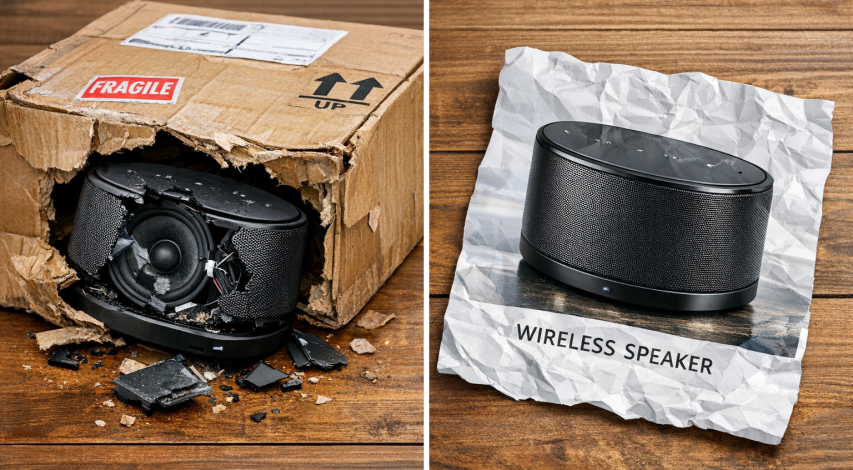
What makes customers feel confident filing these disputes is that their complaint is concrete. They can point to a photo, a product description, or a broken item in a box - not a matter of opinion the way "I didn't like it" would be.
It's also worth knowing that 13.3 isn't limited to physical products. Digital goods and services fall under this code too. A software license that doesn't activate, an online download that's corrupted, or a subscription service that fails to give you its advertised features can all cause a 13.3 dispute. The logic is the same - the customer didn't get what they were promised. Digital goods businesses face unique exposure to disputes like these for that very reason.
Services can also qualify if they were described one way and delivered another. A customer who books a type of consultation and receives something very different has grounds to dispute under this code. The product type matters less than whether the delivery matched the promise.
The reason a chargeback is filed shapes everything that comes after - like what evidence matters and what happens if the merchant doesn't respond.
The Timeline Rules Every Merchant Should Know
Dates matter more than almost anything else in a 13.3 dispute. A cardholder can file a chargeback as high as 120 days from the transaction date or the date they received the merchandise - whichever comes later. That second part is worth mentioning, because a delayed delivery can push the dispute window out more than merchants expect.
There is also a hard cap of 540 days from the original transaction date. No chargeback can be filed after that point, full stop - this outer limit rarely comes into play, but it does protect merchants from disputes on very old purchases.
On the cardholder side, there's a 15-calendar-day waiting period. After a buyer requests a return or cancellation, they have to wait out those 15 days before escalating to a chargeback - this gives merchants an actual window to resolve things directly before a dispute is ever filed.
Once a chargeback lands in a merchant's lap, the clock starts again. Merchants get 30 days to respond with a rebuttal and supporting evidence. Miss that window and the dispute is decided without your input - which usually means a loss. It's also worth knowing whether you can still refund a customer after a chargeback starts during this period.
| Timeline Event | Window | Starts From |
|---|---|---|
| Cardholder filing window | 120 days | Transaction date or delivery date (whichever is later) |
| Hard cap on filing | 540 days | Original transaction date |
| Waiting period before filing | 15 calendar days | Date of return or cancellation request |
| Merchant response window | 30 days | Date chargeback is received |
The 30-day merchant response window is the one that causes the most damage in practice - it's easy to miss if dispute notifications get buried or routed to the wrong inbox. The case does not pause while you get organized.
Every one of these deadlines functions independently, and none of them bend. A merchant can have a strong case and still lose it by responding on day 31.
The Return Requirement That Changed Everything in 2024
On October 19, 2024, Visa updated its rules for reason code 13.3 disputes in a way that meaningfully shifted the balance between cardholders and merchants. Cardholders now have to return the merchandise - or at least make a genuine attempt to - before they can file a dispute.
That last part matters. An "attempt to return" counts when the merchant has refused to accept the item back, ignored the request, or made the return process unreasonably tough. The cardholder doesn't always have to physically hand the product back, but they do have to show they tried; it's an actual change from how things used to work.
Under the old reason code 53 framework, cardholders had quite a bit more room to dispute first and work with the merchandise later. The new rule closes that gap and gives merchants something concrete to point to when a dispute lands in their lap without any prior return request.
That cuts both ways for merchants, though. If your customer service team refused a valid return, or never responded to a return request, that attempt still satisfies the requirement. The cardholder did their part. A merchant who blocks or ignores returns doesn't get to use the new rule as a shield - it works against them instead.
In practice, documentation on both sides carries more weight. Cardholders who want to win a 13.3 dispute need to show they reached out and tried to resolve it first. Merchants who want to fight a dispute need to show they never received a return request, or that the return was handled correctly and the dispute is still unwarranted. In some cases, a merchant may have already issued a partial refund before the chargeback arrived - which adds another layer of complexity to the response.
It is a real protection for merchants that didn't exist before. A customer can't keep the item and charge it back at the same time - at least not without some exposure if the case goes to review.
The practical reality is that return policies and how your team handles return requests now have a direct connection to your chargeback exposure. A poorly handled return email, or an auto-reply that never gets followed up on, can become evidence that supports the cardholder's case instead of your own.
How Friendly Fraud Muddies the Water for Merchants
Friendly fraud is when an actual customer makes an actual purchase and then disputes the charge - not because something went wrong, but because they want to keep the item and get their money back. It's more widespread than most merchants expect. The 2024 Chargeback Field Report found that 72% of merchants saw an increase in friendly fraud over the previous three years.
Reason code 13.3 is a popular option for this abuse. A cardholder can claim an item arrived damaged or wasn't what they ordered, and the bank has to take that at face value up front. There's no easy way for a merchant to prove the item was in good condition when it left the warehouse.
A customer says the product was defective or different from the listing, but their purchase history, delivery confirmation, and account activity shows something completely different. That difference between what's claimed and what the data shows is where merchants have to focus their attention.
There are some red flags worth watching for when a 13.3 chargeback comes in.
- The customer made no contact before filing the dispute - no email, no support ticket, nothing.
- Tracking shows the package was delivered and the item was later used or worn.
- The account has a history of disputes or returns, especially on higher-value items.
- The dispute comes in right around the deadline window, not shortly after delivery.
- The customer previously left a positive review or indicated satisfaction with the order.
None of these flags proves fraud on their own, but a combination of them is a strong signal that the dispute isn't what it claims to be.
The actual problem for merchants is that reason code 13.3 puts the burden of proof on them, and that burden is hard to meet when the claim is about product condition. Digital products, bundled orders, and customized items are especially hard to defend because there's less physical evidence to present. Friendly fraud thrives in that gap between what happened and what can be documented.
Keeping 13.3 Chargebacks From Derailing Your Business
Before your next dispute arrives, take a few minutes to get ahead of it:
- Audit your product listings - confirm that descriptions, images, and specifications accurately reflect what customers receive.
- Review your return policy - make sure it is clearly stated at checkout and consistent with what you enforce in disputes.
- Build a documentation habit - save order confirmations, shipping records, delivery confirmations, and any customer correspondence in one place.
- Flag repeat dispute filers - monitor your customer accounts for patterns that may justify escalating a case or restricting future transactions. If you're on Shopify, be aware that excessive chargebacks can put your account at risk.
- Set a calendar reminder - when a dispute opens, mark the 30-day deadline immediately so nothing slips through.
Disputes under reason code 13.3 can seem like a personal accusation against your business, but they aren't. Most are the result of unmet expectations, miscommunication, or opportunistic behavior - which are manageable with the right response. Solid evidence and a knowledge of the rules put you in a much stronger position than it feels in the moment. Stay organized, respond promptly, and trust the process.
FAQs
What is a 13.3 chargeback?
A 13.3 chargeback occurs when a customer receives merchandise that is defective or doesn't match the seller's description. This applies to physical products, digital goods, and services.
How long does a cardholder have to file?
Cardholders have up to 120 days from the transaction or delivery date, whichever is later, with a hard cap of 540 days from the original transaction date.
Do customers have to return items before disputing?
Yes. Since October 2024, Visa requires cardholders to return merchandise or make a genuine attempt to do so before filing a 13.3 dispute.
How long do merchants have to respond?
Merchants have 30 days from receiving the chargeback to submit a rebuttal and supporting evidence. Missing this deadline typically results in an automatic loss.
How can merchants reduce 13.3 chargebacks?
Merchants should keep accurate product listings, maintain a clear return policy, document all orders and communications, and monitor customer accounts for repeat dispute patterns.