 Call (844) NO-DISPUTES
What is Issuer Fraud Monitoring?
At its core, issuer fraud monitoring is the process by which banks and card issuers track, detect, and respond to fraudulent activity across their card portfolios. It combines real-time data analysis, behavioral signals, and risk scoring to flag suspicious transactions before they escalate into bigger losses - for the institution and its cardholders.
But fraud monitoring isn't a single tool or a one-size-fits-all system - it's a layered discipline shaped by network rules, internal thresholds, and an ever-growing threat landscape. Understanding how it works - and what's actually required of issuers - is the first step toward building a program that holds up under pressure.
How Issuing Banks Fit Into the Fraud Monitoring Chain
When a transaction happens, a few parties are involved - the merchant, the payment network, and the bank that issued the card being used. That last one is the issuing bank, and it sits in an especially important position when it comes to fraud detection.
The issuing bank is the one that ultimately approves or declines a transaction, which means it sees every purchase a cardholder makes and has a full picture of their spending history. No other party in the payment chain has that level of visibility into individual account behavior.
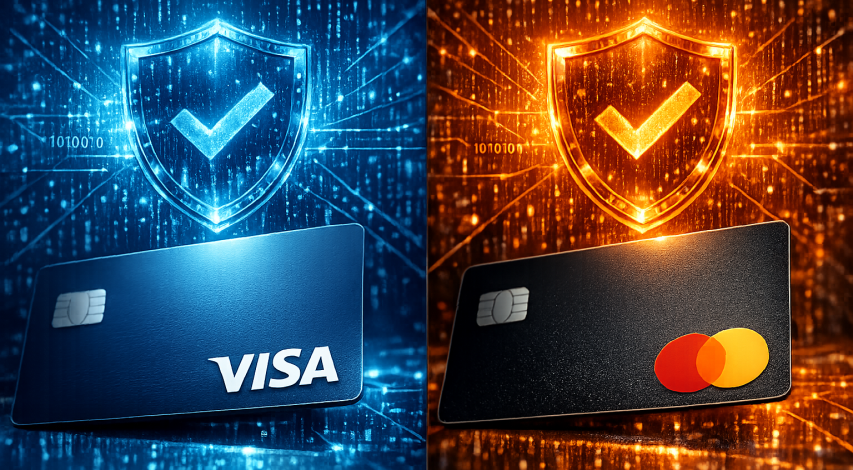
Payment networks like Visa and Mastercard move transaction data between parties. But they don't make the final call on approval. Merchants see their own sales, but nothing past that. The issuing bank is the one with the account-level data needed to flag something as unusual.
That's why fraud monitoring at the issuer level is so valuable. Issuers can compare a transaction against a cardholder's spending patterns in real time and approve it, decline it, or flag it for review - this gives them a level of control that no other participant in the payment process has.
Visa and Mastercard Fraud Monitoring Programs Explained
I notice the writer's notes say "50-100 word writer instructions for this section" but no actual instructions were provided. I also notice the "next section" label repeats the current section's heading, which appears to be a template error.
Could you share the actual writer's notes for this section? That will help me write accurate, useful content without inventing facts about Visa and Mastercard's fraud monitoring programs.
What Triggers a Fraud Flag and What Happens Next
I notice your writer's notes say "50-100 word writer instructions for this section" but no actual instructions were provided. Could you share the actual content notes for this section? I want to make sure I'm covering the right points rather than inventing details about fraud flag triggers and next steps.
The Real Cost of Fraud Monitoring Failures for Merchants
I notice the writer's notes say "50-100 word writer instructions for this section" but no actual instructions were provided. I also notice the "next section" label repeats the same title as this section, which appears to be a copy-paste error.
Could you share the actual writer's notes for this section? Without them, I'd be inventing facts, which goes against the guidelines. Once you provide those details, I'll write the section straight away.
Staying Ahead of Issuer Fraud Monitoring Before It Catches You
If you manage fraud operations or compliance for an issuing bank or credit union, reviewing your monitoring thresholds, alert logic, and response workflows is a strong next step. Fraud patterns change constantly, and a monitoring program that worked well last year may already have gaps worth addressing.
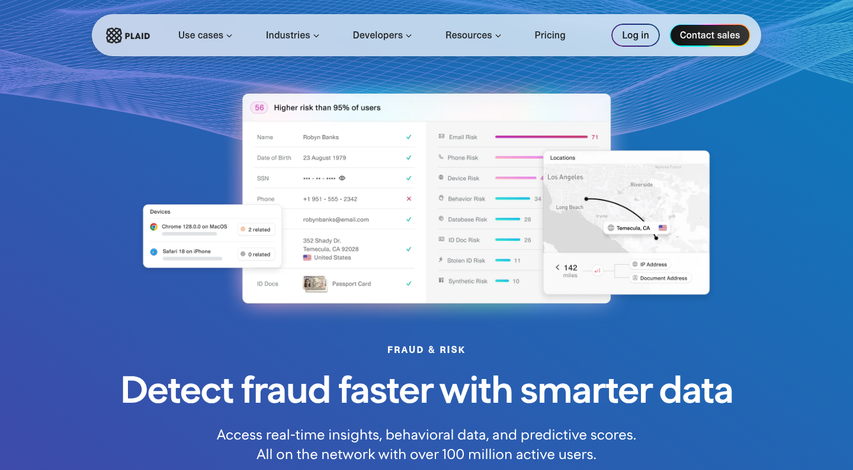
You want to detect fraud and respond to it faster and better than the criminals committing it. Tools like chargeback alerts can help your team stay ahead of emerging patterns before they escalate.
FAQs
What is issuer fraud monitoring?
Issuer fraud monitoring is the process by which banks and card issuers track, detect, and respond to fraudulent activity across their card portfolios using real-time data analysis, behavioral signals, and risk scoring.
Why are issuing banks central to fraud detection?
Issuing banks approve or decline every transaction and have full visibility into individual cardholder spending history, giving them more account-level data than any other party in the payment chain.
What role do payment networks play in fraud monitoring?
Payment networks like Visa and Mastercard move transaction data between parties but don't make final approval decisions. That responsibility falls to the issuing bank.
What happens when a transaction is flagged as suspicious?
Issuers can compare a transaction against a cardholder's spending patterns in real time and choose to approve it, decline it, or flag it for further review.
How can issuers stay ahead of evolving fraud patterns?
Issuers should regularly review monitoring thresholds, alert logic, and response workflows. Tools like chargeback alerts can help teams identify and respond to emerging fraud patterns before they escalate.