 Call (844) NO-DISPUTES
What is a Credit Card Floor Limit?
A credit card floor limit is the maximum transaction amount a merchant can approve without seeking real-time authorization from the card issuer. Transactions that fall below this threshold can be processed without checking in with the bank. But anything above it triggers a standard authorization request.
Floor limits matter more than they might seem - not just for merchants managing their payment systems, but for cardholders who want to know what actually happens when a transaction is processed offline. This post breaks down how floor limits work, why they still apply today, and why they were once far more central to the payments industry than they are now.
How Credit Card Floor Limits Actually Work
A floor limit is the transaction amount above which a merchant has to get credit card authorization from the card network before completing a sale. Below that threshold, the merchant can process the payment without checking in with Visa or Mastercard first - it's a built-in permission to skip the approval step for small, low-risk purchases.
The limit can depend on the merchant type and the card network's rules. Visa and Mastercard usually set floor limits between $25 and $50, though this changes by industry. A transit system or fast-food counter may have a different threshold than a retail store, because the risk profile and transaction speed requirements are different for each.
These limits are there for reasons of speed and practicality. In the early days of card payments, real-time authorization wasn't always possible - connections dropped, systems went offline, and long queues made instant approvals impractical. Floor limits let merchants keep things moving without waiting for a green light on every purchase.
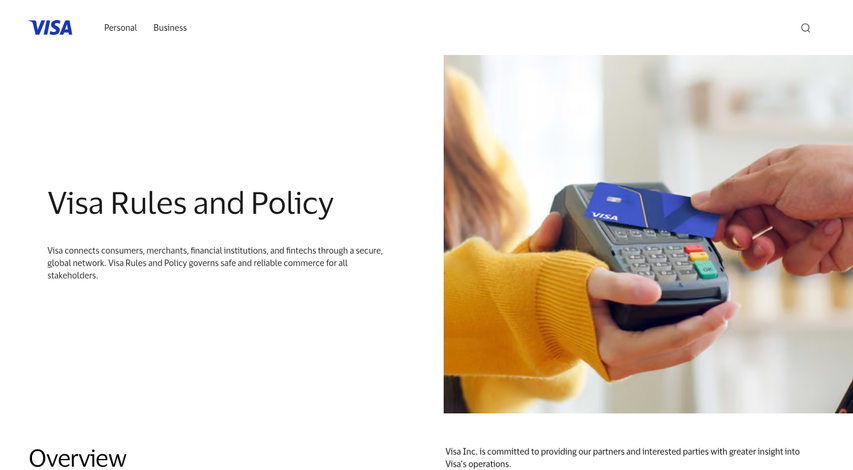
Even now, floor limits still serve a purpose in certain environments. A busy transit gate or a stadium concession stand can see thousands of small transactions in a short window. Stopping to authorize every $3 coffee or bus fare would create friction that neither the merchant nor the customer wants.
The logic behind it is that small purchases carry lower financial exposure. If an unauthorized transaction slips through at $15, the possible loss is manageable; it's a very different calculation than letting a $500 transaction go through without a check.
When a purchase falls below the floor limit, the terminal processes it without contacting the network. When it hits or crosses that threshold, the terminal sends an authorization request and waits for a response before completing the sale. That response confirms the card is valid and the funds are available.
Floor limits don't remove accountability from the merchant. If a fraudulent transaction goes through under the floor limit, the liability falls on the merchant instead of the card network. So while the limit gives merchants flexibility, it also shifts some of the financial responsibility to them for those low-value transactions.
Why Some Transactions Have a Zero Floor Limit
Not every transaction gets the same floor limit treatment. A whole category of payments gets a floor limit of zero, which means every one needs real-time authorization no matter how small the amount is.
That category is card-not-present transactions - this covers online purchases, phone orders, and recurring subscriptions - basically any payment where the physical card never changes hands. With card-not-present transactions now making up 63% of all transactions, this rule touches more payments than ever before.
The reason for the zero floor limit comes down to fraud danger. When someone pays in person, there are physical checkpoints in play - the card is swiped or tapped, a chip is read, and sometimes ID is checked. None of that exists with a card-not-present payment. Anyone who gets hold of a card number can attempt a transaction without ever touching the card.
That gap in verification makes every card-not-present transaction a higher-danger event by default. The rule is simple: authorization can't be skipped, ever. There is no transaction amount small enough to wave through without a check from the card network or issuing bank.
This also protects cardholders in a helpful way. Real-time authorization means the bank gets to check the transaction against your account activity before money moves. If something looks unusual, it can be flagged or declined before any damage is done.

Merchants operating online also benefit from this - even if the extra step can add some friction to the checkout process. A declined authorization is far less expensive than processing a fraudulent transaction and then a chargeback later.
It is worth mentioning that subscriptions and recurring billing follow the same rule. Even if a payment runs automatically every month for the same amount, it still goes through real-time authorization each time. Autopay does not get a pass just because it's predictable.
The zero floor limit rule is the card industry's response to the fact that card-not-present payments remove the physical layer of trust that in-person transactions use. If you don't have a card to read or a person to verify, authorization becomes the only line of defence available.
Merchant Minimum Purchase Rules and What the Law Says
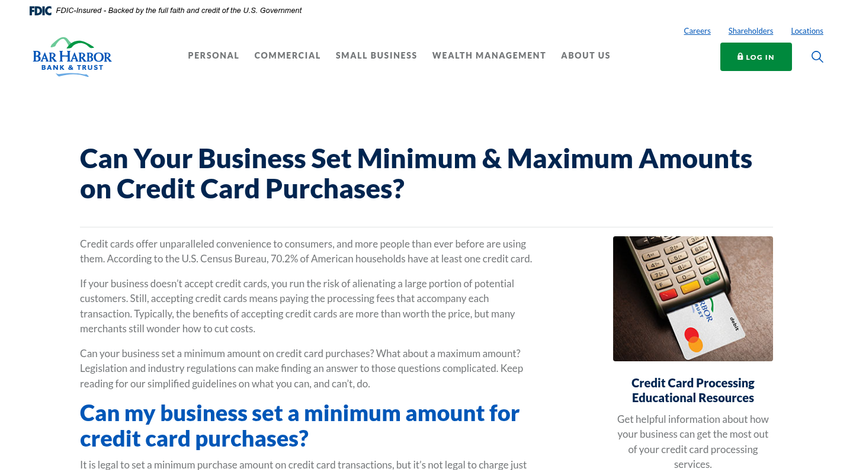
Alongside floor limits, there's another rule that shapes how card transactions work at the point of sale. Merchants are legally allowed to set a minimum purchase amount for credit card transactions. But federal law caps that minimum at $10. So a store can tell you that you'll have to spend at least $5 or $10 to use your credit card. But they can't set that bar any higher than $10.
This rule applies equally across all card issuers and networks - it does not matter if you have a Visa, Mastercard, Amex, or a store-branded card - the same $10 ceiling applies across the board.
The rules are a bit different for debit card users. Both Visa and Mastercard prohibit merchants from applying a minimum purchase rule to debit card transactions. So even if a shop has a $10 minimum posted at the register, that rule legally can't apply to your debit card under those two networks.
That is an actual distinction worth knowing about as a consumer. If a merchant turns you away for a small debit purchase, they are actually going against their agreement with Visa or Mastercard.
| Card Type | Minimum Purchase Allowed? | Federal Cap |
|---|---|---|
| Credit Card | Yes (merchant's choice) | $10 maximum minimum |
| Debit Card | No (prohibited by Visa & Mastercard) | N/A |
Merchants set minimums because of processing fees. Card networks charge a small fee per transaction, and on a $2 purchase that fee can eat into the merchant's margin substantially. A minimum purchase rule is their way to protect themselves on very small sales.
From a consumer rights standpoint, knowing the difference between credit and debit laws puts you in a better position at the register. You have every right to ask a merchant to explain their policy, and knowing what the law permits helps you push back if something does not seem right.
The Connection Between Floor Limits and Chargebacks
When a transaction goes through without authorization, there's no bank approval on record. That gives you a problem if the cardholder later disputes the charge, because the merchant has very little to stand on.
Chargebacks happen when a cardholder contacts their bank to reverse a transaction. The bank then investigates, and if the merchant can't show that the transaction was authorized, the dispute tends to go in the cardholder's favor. Skipping authorization to stay under a floor limit removes one of the strongest pieces of evidence a merchant can use.
This matters more than it used to. Mastercard has projected that widespread chargeback volume will grow by 24%, reaching around 324 million chargebacks per year by 2028. A big part of that growth comes from card-not-present transactions, like online purchases, where fraud is harder to detect and disputes are more common. Merchants who use loose floor limit policies in offline or high-volume environments are entering that trend without much protection.
It is worth thinking about what that growth actually means at the merchant level. More chargebacks mean more fees, more administrative work, and more revenue at risk. A merchant who processes a batch of offline transactions under a self-set floor limit has no guarantee those cards were valid or that the accounts had enough funds. Exceeding acceptable dispute rates can put you at risk of breaching a credit card chargeback threshold, which carries serious consequences with card networks.
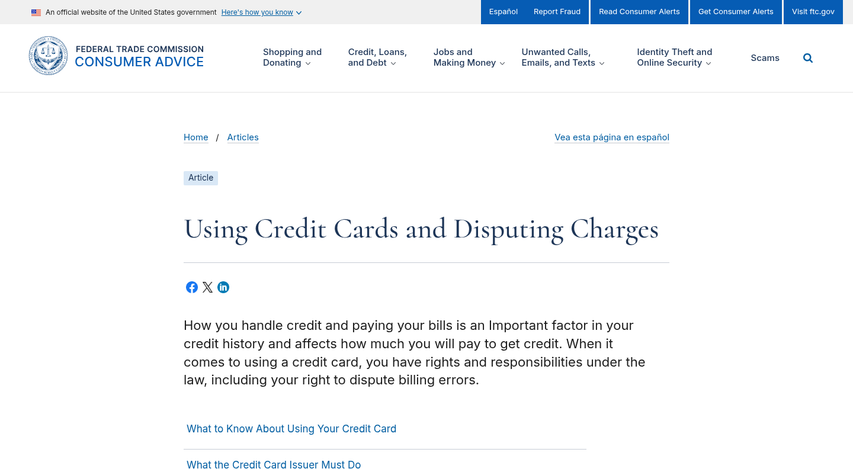
Card networks do have rules about this. When a merchant processes a transaction that falls outside the approved floor limit rules and a chargeback follows, the network may hold the merchant liable for the full amount. That liability is a direct consequence of bypassing the authorization step. Reason codes like A02: No Valid Authorization exist specifically for disputes where no proper approval was obtained.
High-volume settings like transit systems or stadiums sometimes get exemptions because stopping to authorize every small transaction would create operational problems. But those exemptions have careful oversight and defined limits from the card networks themselves. A merchant setting their own informal threshold does not have that same coverage. Programs like the Mastercard Excessive Chargeback Program can impose fines and restrictions on merchants whose dispute rates climb too high.
Floor limits are not purely about speed or convenience. They carry financial consequences when things go wrong, and the chargeback landscape is making those consequences harder to brush off.
Keeping Your Transactions on Solid Ground
Knowing where those guardrails sit puts you in a stronger position on both sides of the register. Shoppers who know floor limits and minimum purchase laws are less likely to be taken aback at checkout. Merchants who know their network's policies - and the legal boundaries around minimums - can set their own rules with confidence and stay away from disputes that could have been prevented.
If you run a business that accepts card payments, it's worth taking a few minutes to review your merchant agreement and the rules from your card network. The rules aren't buried or complicated, and learning about them means you're never left guessing when a transaction doesn't go the way you expected.
FAQs
What is a credit card floor limit?
A credit card floor limit is the maximum transaction amount a merchant can approve without seeking real-time authorization from the card issuer. Transactions below this threshold can be processed without contacting the bank or card network.
Why do card-not-present transactions have a zero floor limit?
Card-not-present transactions lack physical verification checkpoints, making them higher fraud risks. Every online or phone payment requires real-time authorization regardless of amount, as authorization is the only available security layer.
What is the legal maximum for merchant credit card minimums?
Federal law caps merchant credit card minimums at $10. Merchants can set any minimum up to that amount, but cannot exceed it regardless of the card network or issuer involved.
Can merchants apply minimum purchase rules to debit cards?
No. Visa and Mastercard prohibit merchants from applying minimum purchase requirements to debit card transactions. A merchant enforcing a minimum on your debit card is violating their network agreement.
How do floor limits affect chargeback liability?
Transactions processed without authorization leave merchants with little evidence if a cardholder disputes the charge. Card networks can hold merchants fully liable for chargebacks on transactions that bypassed proper authorization requirements.