 Call (844) NO-DISPUTES

13.5: Misrepresentation
Visa chargeback reason code 13.5 covers Misrepresentation - disputes where a cardholder claims the goods or services they received were materially different from what was described at the time of purchase. This is distinct from a simple dispute about quality or satisfaction. The core issue is whether the merchant made a false statement of fact that induced the cardholder into the transaction.
Under reason code 13.5, the cardholder must be able to show that what they received did not match what was represented - whether that misrepresentation appeared in a product listing, advertisement, verbal description, or written terms at checkout. The difference between what was promised and what was delivered is what drives the dispute, and merchants need to know how Visa evaluates these claims if they want to fight them successfully.
This section breaks down what qualifies as misrepresentation under 13.5, the evidence cardholders need to support a claim, and - critically - what merchants can do to respond, prevent these disputes from being filed in the first place, and protect their chargeback ratio when they do come up.
Key Takeaways
- Visa reason code 13.5 covers disputes where cardholders received goods or services materially different from what was described at purchase.
- Misrepresentation must be material - meaning it influenced the buying decision; minor cosmetic differences or subjective claims typically won't qualify.
- Silence can constitute misrepresentation; merchants who conceal material defects or changes before purchase may be treated as having misrepresented their product.
- Merchants fighting 13.5 disputes need documented evidence: original listings, delivery records, and cardholder communications showing accurate representation.
- Prevention is the strongest defense - precise, verifiable product descriptions and clear pre-checkout disclosures significantly reduce 13.5 dispute exposure.
What Counts as Misrepresentation (And What Doesn't)
Visa's chargeback reason code 13.5 covers disputes where a cardholder claims the goods or services they received were materially different from what the merchant described at the point of sale; it's the core of what "misrepresentation" means in this context - not a legal doctrine, but a helpful mismatch between what was promised and what was delivered.
This reason code gets filed when cardholders feel legitimately misled. The product looked different in the listing. The service wasn't what was described. The terms changed after payment. In each case, the argument is the same: had the cardholder known the truth, they wouldn't have made the purchase.
That last part matters. The misrepresentation has to be material - meaning it influenced the buying choice. A minor cosmetic difference between a product photo and the item received is unlikely to succeed under 13.5. A color described as navy that arrives as black probably won't clear the bar. A jacket described as leather that arrives as synthetic almost certainly will.

The distinction between fact and opinion matters here as well - even outside a courtroom. A merchant describing a mattress as "the most comfortable you'll ever sleep on" is making a subjective claim - no one's filing a successful 13.5 chargeback because they disagreed with that. But a merchant listing a mattress as "medium firm" when it's objectively soft is making a factual claim that can be disputed. Puffery doesn't count. Specific, verifiable descriptions do.
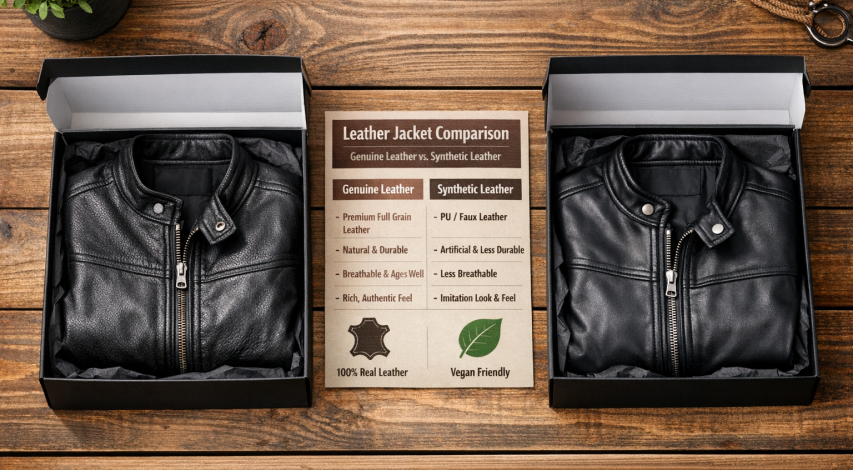
Silence can also become a problem under 13.5. If a merchant knew about a material defect, a significant delay, or a change in product specification and said nothing before the transaction completed, cardholders can argue that omission amounted to misrepresentation. The law has long debated where silence becomes deception - the Fitzroy Robinson Ltd. v Mentmore Towers Ltd. [2009] case found fraudulent misrepresentation where a developer failed to disclose before contract signing that a key staff member had resigned - and Visa's rules follow a similar logic. Concealing something the cardholder would have wanted to know before paying is treated as misrepresentation.
What doesn't count under 13.5 is a change of heart. Buyer's remorse isn't misrepresentation. If the product matches the description, the service was delivered as outlined, and the terms were disclosed, the merchant has a strong basis for representment. The cardholder's dissatisfaction alone isn't enough. Disputes that escalate without resolution can sometimes move into a credit card pre-arbitration stage, but the underlying question at every stage remains the same: did the merchant accurately represent what they were selling?
For merchants responding to a 13.5 chargeback, the most helpful evidence addresses that question directly - product descriptions, photos, order confirmations, delivery records, and any communication showing the cardholder received what was advertised.
The Three Types of Misrepresentation Explained
Visa chargeback reason code 13.5 covers disputes where a cardholder claims the goods or services they received were materially different from what was described at the point of sale. In other words, the merchant misrepresented what was being sold - and the cardholder didn't get what they were caused to believe they were paying for.
Within the wider legal framework that underpins these disputes, misrepresentation isn't treated as a single uniform concept. Courts and card programs alike recognise that not all false statements are equal, and the distinctions matter in how a dispute is assessed and what remedies are available.
Fraudulent misrepresentation is the most serious category - it happens when someone makes a false statement knowing it to be false, or with reckless disregard for whether it's true or not. A real-world example came from the Fitzroy Robinson Ltd. v Mentmore Towers Ltd. [2009] case; fraudulent misrepresentation was established after a developer failed to disclose before contracts were signed that a named staff member had resigned - a material fact the other party would have considered significant.

Negligent misrepresentation sits in the middle ground - where the person making the false statement believed it to be true but had no reasonable basis for that belief. They were careless with the facts. The Misrepresentation Act 1967, Section 2(1) in England and Wales gives the statutory basis for claiming damages in this category without needing to prove fraud outright.

Innocent misrepresentation is where someone made a false statement but legitimately had reasonable grounds to believe it was true at the time. The classic illustration comes from Bisset v Wilkinson [1927] AC 177; a farmer's claim that land could support 2,000 sheep was held not to be a statement of fact at all - the misrepresentation claim failed because the statement couldn't be verified and both parties understood the uncertainty involved.
Under Visa's reason code 13.5 specifically, the distinction between these categories feeds directly into how a merchant should respond to a dispute. A cardholder alleging that a product description was misleading is raising a misrepresentation claim, and the strength of the merchant's defence will depend on how the goods or services were described, what evidence exists of that description, and whether any difference from expectations was material. In the United States, UCC Section 2-721 also permits rescission and damages for misrepresentation in goods contracts without requiring the claimant to choose one remedy over the other.
Intent changes everything in how these cases are assessed. A court or card scheme treating a deliberate misrepresentation will look at the situation very differently from one involving an innocent mistake, and the remedies available to the claimant vary accordingly. Merchants who fail to respond to these disputes risk an automatic loss - understanding what happens if you never reply to a credit card dispute is essential before assuming silence is an option.
| Type | What It Means | Intent Involved | Typical Remedy |
|---|---|---|---|
| Fraudulent | False statement made knowingly or recklessly | Deliberate or reckless | Rescission and damages in tort |
| Negligent | False statement made without reasonable grounds to believe it | No intent but careless | Rescission and damages under the 1967 Act or UCC 2-721 |
| Innocent | False statement made with reasonable belief it was true | None | Rescission or damages at court's discretion |
Rescission and Damages: How Courts Fix Misrepresentation
Visa chargeback reason code 13.5 is one of the more nuanced dispute categories merchants face - it covers situations where a cardholder claims the goods or services they received were materially different from how they were described at the point of sale. In other words, the merchant said one thing and delivered another.
This reason code sits under the wider 13.x: Consumer Disputes family and it's distinct from reason codes covering non-delivery or defective goods. The core issue with 13.5 is misrepresentation specifically - the product or service existed and was delivered, but the cardholder argues what they got did not match what was advertised or promised.
Common scenarios that trigger a 13.5 dispute include:
- A product listing described features or specifications the delivered item did not have
- A service was described in promotional material in a way that did not match what was actually provided
- A subscription or membership was marketed with inclusions that were not honoured
- Travel or accommodation was booked based on descriptions that differed significantly from reality
The important distinction Visa draws here is between a merchant who simply failed to deliver what you paid for, versus one whose description of the product or service was inaccurate or misleading. If the cardholder received what was sold but it turned out to be a poor fit for their needs, that alone will not support a 13.5 claim. The misrepresentation has to be something the cardholder can point to specifically.
| Element | What Visa Requires |
|---|---|
| Evidence of the original description | The cardholder must show what was represented - via listing, ad, email, or other documentation |
| Evidence of what was received | Proof that what arrived or was provided differed materially from the description |
| Attempt to resolve with merchant | The cardholder is generally expected to have contacted the merchant first before filing |
| Transaction must be within the dispute timeframe | 120 days from the transaction date or the date the cardholder became aware of the issue |
How Merchants Should Respond to a 13.5 Dispute
If you receive a 13.5 chargeback, your representment needs to directly address the misrepresentation claim. A generic response that simply confirms the order was fulfilled will not be enough. You need to show that your product or service description was accurate and that what the cardholder received matched what was advertised.

Strong evidence to include in your rebuttal:
- Screenshots or archived copies of your product listing, website description, or marketing material at the time of purchase
- Photos or documentation of the actual product or service delivered
- Any communication with the cardholder showing they acknowledged what they were purchasing
- Correspondence showing the cardholder's complaint and how you responded to it
- Delivery confirmation and order details
If the cardholder never contacted you before filing the dispute, that's worth mentioning in your response. Visa does expect cardholders to attempt resolution with the merchant first, and the absence of any contact from them can work in your favour. It's also worth considering whether issuing a refund after the dispute has started might be a better path in certain cases.
When the Merchant May Lose a 13.5 Dispute
Merchants are more likely to lose a 13.5 representment when their product listings are vague, outdated, or legitimately misleading - even if accidentally so. If your description used language that could reasonably be interpreted differently from what you delivered, Visa may side with the cardholder.
Merchants also struggle when they can't produce the original listing or advertisement. If you updated your website after the transaction and have no archived version of what the customer saw at the time of purchase, proving your description was accurate can become very tough. If a partial refund was already issued before the dispute was filed, that complicates matters further - see our guide on chargebacks that follow a partial refund for more detail.
Reducing 13.5 Chargebacks Going Forward
The best defence against reason code 13.5 is accuracy at the point of sale. Audit your product and service descriptions regularly, make sure images match what is being sold, and make sure any limitations or conditions are disclosed before checkout. If your products change, update your listings promptly and keep records of what was live and when.
Clear, accurate descriptions cut back on the difference between what customers expect and what they receive. That gap is where 13.5 disputes are born.
Defenses Against a Misrepresentation Claim
If you've received a chargeback under Visa reason code 13.5, the claim is that your business misrepresented a product or service in some way - whether that means the item differed from how it was described, the terms weren't disclosed, or the cardholder believes they were misled into completing the purchase. Being on the receiving end of this doesn't mean you're automatically liable. There are actual defenses available, but they need to be thorough and well-documented.
One of the strongest defenses is showing that your product or service matched the description provided at the time of sale. If your listing, invoice, or product page accurately described what the cardholder received, you'll need to provide that evidence. Screenshots of the original listing, order confirmations, shipping records, and delivery proof all help establish that what was described is what was delivered.

Another defense is demonstrating that the cardholder did not rely on any disputed statement when making their purchase. Misrepresentation claims depend on reliance - meaning the false or misleading statement has to have actually influenced the buyer's choice. If the cardholder completed independent research, used the product without complaint for an extended period, or made multiple purchases of the same item, that timeline can undermine the reliance argument. In some cases, what appears to be a misrepresentation dispute is actually a friendly fraud situation involving a family member purchase the account holder wasn't aware of.

Courts and arbitration panels also distinguish between statements of fact and statements of opinion. Under established case law, general promotional language like "premium quality" or "best in class" usually does not constitute an actionable misrepresentation - this principle was illustrated in Bisset v Wilkinson [1927] AC 177; a seller's claim that land could support 2,000 sheep was found not to be a statement of fact, and the misrepresentation claim failed. Specific, measurable claims are treated differently - if you stated a product generates a return or performs to a technical standard, that's held to a higher bar.
Disclosures that were presented before the transaction was completed are also a real defense under reason code 13.5. If your terms of sale, refund policy, or product limitations were visible and acknowledged at checkout, that works in your favor. Visa's rules for this reason code place weight on whether the merchant's representation was accurate and accessible at the point of sale. In some disputes, merchants also need to consider if a refund is still possible after a chargeback has started, which can sometimes resolve the dispute faster than a full representment.
It is worth mentioning that under the Uniform Commercial Code, Section 2-721, rescission and damages are available for misrepresentation in goods contracts without requiring a forced election between the two remedies - this matters in disputes where the cardholder has already returned or retained the item, as it can affect what outcomes the issuer may find acceptable. Negligent misrepresentation does not require intent to deceive - a careless statement made without reasonable basis can still support a claim, which means intent alone will not win your dispute.
The strength of your defense under reason code 13.5 ultimately depends on how well your original representation can be documented, how closely the delivered product or service matched that representation, and whether the cardholder had genuine grounds to claim they were misled. Vague or unsubstantiated rebuttals don't succeed - evidence tied directly to the transaction is what carries weight in the representment process. This distinction also matters in cases of return fraud; a buyer may incorrectly use the misrepresentation label to get a refund they are not entitled to.
Where Misrepresentation Shows Up in Contracts Today
Visa chargeback reason code 13.5 is filed under the category of Misrepresentation - it applies when a cardholder claims that the goods or services they received were materially different from what was described at the point of sale. The transaction itself may have gone through quickly and easily, but if what arrived does not match what was promised, the cardholder has grounds to dispute it under this code.
It is one of the more nuanced chargeback reason codes because the dispute is not about fraud or an unauthorized transaction. The cardholder authorized the payment. But they say they were misled about what they were authorizing it for.
Common triggers for a 13.5 dispute include:
- A product described as new that arrived used or refurbished
- A service that was materially different from what the listing, advertisement, or sales representative described
- Subscription terms that were not clearly disclosed at checkout
- Digital goods that did not perform as described
- A merchant's billing descriptor that caused genuine confusion about what was being charged

Misrepresentation does not need an outright lie. Half-truths, vague claims, and selectively omitted facts can all support a 13.5 dispute if they shaped what the cardholder believed they were buying. A statement designed to reassure instead of to inform is a red flag in any transaction context.
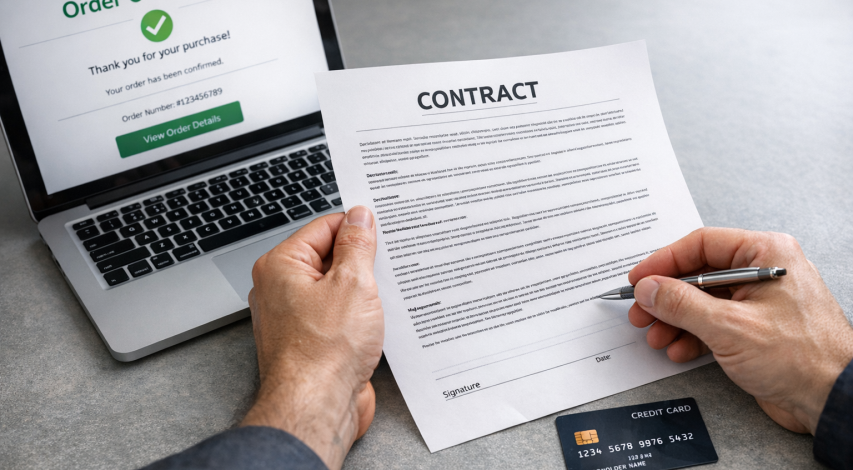
One ignored contributor to these disputes is how a business presents itself through its credit card descriptors. If the descriptor on the cardholder's statement does not match the business or product they remember, it can lay the groundwork for a misrepresentation claim even when the transaction was legitimate. Merchants should also know that online transactions carry the same risk, and disputes over chargebacks for digital goods or services delivered frequently cite misrepresentation as the basis.
To fight a 13.5 chargeback successfully, merchants need to show that the product or service was accurately described and that the cardholder received what was represented. Strong evidence includes:
- Screenshots or archived copies of the product listing, advertisement, or sales page at the time of purchase
- Order confirmation emails that reflect the terms the cardholder agreed to
- Proof of delivery or service fulfillment that matches the description
- Any communication where the cardholder acknowledged the terms or expressed satisfaction
- Clear disclosure of subscription terms, refund policies, or limitations made prior to checkout
Prevention is the stronger play. Merchants who write precise, verifiable product descriptions, present terms before checkout, use recognizable billing descriptors, and keep records of what was communicated at the point of sale are far less likely to face a successful 13.5 dispute. Vague language and claims that are hard to verify are worth revisiting before they become the basis of a chargeback.
Protect Yourself Before You Sign Anything
On a practical level, always get important representations in writing, ask clarifying questions before signing anything, and resist the temptation to depend only on a seller's or counterparty's verbal assurances. If someone tells you something that's changing your choice to enter a contract, make sure it's documented. A paper trail is far easier to work with than a he-said-she-said dispute after the fact.

This matters especially with Visa Chargeback Reason Code 13.5: Misrepresentation - this reason code applies when a merchant materially misrepresents a product or service - meaning what the cardholder received was meaningfully different from what was described at the point of sale. That difference between promise and reality is the heart of a 13.5 dispute, and it mirrors the wider legal doctrine of misrepresentation, which exists to protect people from being misled into agreements they would not otherwise have made.
The legal history here is instructive. In Bisset v Wilkinson [1927] AC 177, a misrepresentation claim failed because the seller's statement was deemed an opinion instead of a statement of fact. Reason Code 13.5 operates in the same way - vague puffery or sales enthusiasm usually won't support a claim, but a verifiable falsehood about what's being sold very likely will. On the merchant side, the 2009 case of Fitzroy Robinson Ltd. v Mentmore Towers Ltd. is a helpful reminder that omissions can be just as damaging as outright false statements - the developer lost because it failed to disclose a material change before contracts were signed.

For cardholders filing a 13.5 dispute, documentation is everything. Screenshots of product listings, email confirmations, advertised descriptions, and any communications with the merchant all strengthen a claim. For merchants defending against one, accurate product descriptions at checkout - along with records showing what was represented and delivered - are the most helpful shield. Under principles like those found in the Restatement (Second) of Contracts, Section 162(1), intent to induce assent through a false assertion is the standard for fraudulent misrepresentation, but Reason Code 13.5 can also be triggered by negligent or innocent misrepresentation if the material facts don't match. Merchants who face repeated disputes of this kind risk being flagged as an excessive chargeback merchant, which carries serious consequences with card networks.
The best position to be in is one where you never need to invoke it. A little well-educated caution before signing - or before publishing a product listing - goes a long way toward keeping you out of a dispute altogether. If a payment dispute does come up, know that there's a limited credit card dispute window within which you can act.
FAQs
What is Visa chargeback reason code 13.5?
Visa reason code 13.5 covers disputes where a cardholder claims goods or services received were materially different from what the merchant described at the point of sale.
What counts as material misrepresentation under 13.5?
A misrepresentation is material if it influenced the buying decision. A jacket described as leather but arriving as synthetic qualifies; a minor color shade difference likely does not.
Can silence or omissions trigger a 13.5 dispute?
Yes. If a merchant knowingly conceals a material defect or change before purchase, Visa treats that omission as misrepresentation, even without an explicit false statement.
What evidence helps merchants fight a 13.5 chargeback?
Merchants should provide archived product listings, delivery records, order confirmations, and any customer communications showing the description was accurate and matched what was delivered.
How can merchants prevent 13.5 disputes?
Use precise, verifiable product descriptions, disclose terms clearly before checkout, keep records of live listings, and ensure billing descriptors match what customers recognize.