 Call (844) NO-DISPUTES

4834: Duplicate Processing
Understanding why 4834 happens is the first step toward resolving it efficiently. The causes can vary from system timeouts and retry logic to user error and integration misfires, so the fix isn't always the same from one case to the next.
I'll walk you through what triggers a 4834 error, how to find which records are affected, and the steps you can take to correct the issue and avoid it from happening again.
What Mastercard Reason Code 4834 Actually Covers
Reason code 4834 applies to two situations. The first is when a cardholder gets charged more than once for the same transaction. The second is when a charge goes through even though the cardholder already paid a different way.
That second scenario is worth spelling out. Say a customer pays for something in cash or with a gift card, but the merchant also runs their credit card for the same purchase. The cardholder was only supposed to pay once - and they did - so the card charge can become the duplicate.
It's also worth knowing that an older Mastercard code, 4831, used to manage disputes over different transaction amounts. That code is no longer active, and 4834 does not pick up where it left off. If a cardholder was charged the wrong amount, that dispute falls under a different reason code entirely.
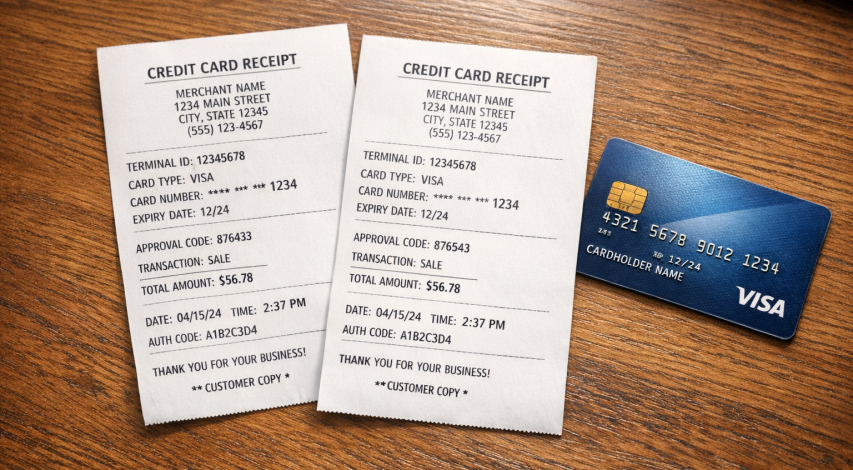
The table below breaks down what 4834 does and doesn't cover so you can more quickly see the boundaries.
| Scenario | Covered Under 4834? |
|---|---|
| Same card charged twice for the same transaction | Yes |
| Card charged after cardholder already paid by cash | Yes |
| Card charged after cardholder already paid by check | Yes |
| Card charged after cardholder already paid by gift card | Yes |
| Cardholder charged the wrong amount | No |
| Two separate purchases that happen to be the same price | No |
| Recurring billing the cardholder agreed to | No |
Two separate charges that look similar are not automatically a duplicate. The transactions have to be for the same purchase event to qualify. A customer who buys the same item twice on two different days has made two purchases, not one duplicate charge.
Recurring billing is an area merchants often get tripped up on. A monthly subscription charge is not a duplicate just because the same amount appears each month. The agreement between the cardholder and the merchant is what separates a legitimate recurring charge from a processing error.
Why These Chargebacks Happen in the First Place
Most duplicate charges are not the result of bad intentions. They come from technical problems, human error, and the gaps that open up when payment systems don't talk to each other.
One of the most common causes is a terminal that freezes or times out mid-transaction. A customer taps their card, nothing seems to happen, and the cashier runs the card again. The first transaction looked like it failed but actually went through, so now the cardholder has two charges sitting on their account.
Manual keying errors are another big one. When staff enter card details by hand, it's easy to submit the same transaction twice without realizing it - this happens more in phone orders or mail orders where there's no physical card reader to catch the error automatically.
Split-tender payments add some more difficulty. A customer pays part in cash and part by card, and if the amounts aren't entered correctly into the system, the card portion can be charged more than once. The more steps a transaction has, the more places things can go wrong.
On the software side, integration problems between a point-of-sale system and a credit card payment processor can cause transactions to get submitted twice without anyone noticing. The merchant sees one sale on their end, but the processor records it twice. This is especially common after software updates or when merchants switch payment providers.
The cardholder side also plays a role. Someone might see a pending charge and a posted charge for the same purchase and assume they've been double-billed - even when one will drop off on its own. It's not necessarily a true duplicate, but it does cause 4834 chargebacks when cardholders contact their bank before the pending transaction clears. If you're seeing your chargeback ratio creeping toward 1%, duplicate disputes like these can push you over the threshold faster than you'd expect.
High-volume environments make this more likely. Busy retail periods, understaffed shifts, and rushed transactions create the exact conditions where these errors happen most. A terminal gets tapped twice, a form gets submitted twice, and no one catches it until the customer checks their statement.
The right fix depends heavily on where the error happened. A staffing problem and a software bug need very different solutions.
The Timeline Every Merchant Needs to Know
Deadlines in the chargeback process are fixed and they move fast. A cardholder has 90 calendar days from the transaction processing date to file a 4834 dispute. That window starts the second the charge hits their account - not when they see it or complain to their bank.
Once a dispute lands, the clock changes to you and your acquirer. The acquirer gets 45 calendar days to respond to the chargeback. Your window to act sits inside that - merchants usually have around 20 to 25 days to pull together evidence and submit a rebuttal. That is not quite a lot if you are starting from scratch.
| Stage | Who It Applies To | Time Allowed |
|---|---|---|
| Chargeback Filing Deadline | Cardholder | 90 calendar days from processing date |
| Acquirer Response Window | Acquiring bank | 45 calendar days from chargeback date |
| Merchant Response Window | Merchant | Approximately 20-25 days (check with your acquirer) |
The merchant response window can vary slightly depending on your acquirer, so it's worth confirming their internal deadlines. Some processors have tighter cutoffs than you would expect.
Missing your window ends your case. Once the deadline passes without a response, the dispute is decided in the cardholder's favor automatically. You lose the transaction amount and the chargeback goes on your record - repeated losses like this can put you at risk of becoming an excessive chargeback merchant.

Treat the notification date as day one and work backward from your acquirer's cutoff. Set an internal deadline a few days earlier than that to leave room for documentation review. There is no grace period once the clock runs out.
The 90-day cardholder dispute window means disputes can arrive well after the original transaction. A charge from late last quarter can become a chargeback this month. Keeping transaction records accessible for at least six months is a basic standard to work toward.
How to Fight a 4834 Chargeback With Solid Evidence
Merchants lose 4834 disputes more than they should, and it's not because they were actually in the wrong. The actual problem is usually a rebuttal package that's incomplete, disorganized, or missing the one document that would have settled things.
The goal of your response is to show that only one charge ever went through. That sounds simple, but it means pulling together records from a few different places and presenting them in a way that's easy for a reviewer to follow.
The Documents That Actually Make a Difference
Start with your transaction records. You want to show the original authorization, the settlement record, and the final charge amount - all matching. If your processor gives a transaction detail report, include that too. A single clean paper trail does heavy lifting here.
If the customer was refunded, documentation of that refund is what matters. A refund confirmation with a timestamp, the amount, and the method of return gives the bank something concrete to look at. If you don't have it, you're just making a claim. In some cases, merchants also need to understand whether they can still issue a refund after a chargeback starts.
Bank statements or processor statements showing only one charge to the cardholder's account are also worth including - this third-party confirmation tends to carry actual weight.

| Document Type | What It Shows |
|---|---|
| Authorization record | One approval, one transaction ID |
| Settlement report | Only one charge was settled |
| Refund confirmation | Money was returned before the dispute |
| Processor statement | No duplicate charge appears |
| Customer communication | You responded and resolved the concern |
If you have any email or message history with the customer about the charge, include that too - it shows good faith and gives context to the timeline. If a partial refund was already issued, be aware that a chargeback can still follow and you'll need to document that clearly.
Put It Together in a Way That's Easy to Read
A rebuttal letter that ties your documents together matters more than most merchants expect. Attach the files with a short, factual explanation of what each document proves and how they connect to each other.
Keep the language neutral and factual. Reviewers process a high volume of cases, so the easier you make it to follow your logic, the better your outcome is likely to be.
Stop Duplicate Chargebacks Before They Start
A few steady practices go a long way toward keeping 4834 chargebacks off your radar:

- Reconcile daily. Matching your transaction records against settlement reports every day makes it far easier to catch a duplicate charge before the cardholder does.
- Check your terminal before re-running a card. If a transaction appears to have failed, verify its status through your payment processor or gateway before attempting a second charge.
- Train staff on declined versus pending transactions. Many duplicate charges happen because an employee assumes a transaction didn't go through. Clear training protocols reduce that guesswork significantly.
- Keep detailed records. Authorization codes, timestamps, and transaction IDs are your first line of defense if you need to respond to a dispute.
Duplicate processing chargebacks are frustrating exactly because they're usually accidental - but accidental doesn't mean unavoidable. Tighter reconciliation routines, better-trained staff, and a reliable process for verifying transaction status at the point of sale can help most merchants cut back on these disputes dramatically. The right systems protect your revenue and build the clean transaction record that makes every future dispute easier to fight.
FAQs
What is Mastercard reason code 4834?
Mastercard reason code 4834 covers duplicate processing disputes, which occur when a cardholder is charged twice for the same transaction, or when their card is charged after they already paid by another method such as cash or a gift card.
Does 4834 cover being charged the wrong amount?
No. Reason code 4834 only applies to duplicate charges, not incorrect transaction amounts. Wrong-amount disputes fall under a different Mastercard reason code entirely.
How long does a cardholder have to file a 4834 dispute?
Cardholders have 90 calendar days from the transaction processing date to file a 4834 dispute. Merchants typically have around 20-25 days to respond once a chargeback is received.
What causes most duplicate processing chargebacks?
Common causes include terminals freezing mid-transaction, manual keying errors, split-tender payment mistakes, and software integration issues between point-of-sale systems and payment processors.
What evidence helps win a 4834 chargeback dispute?
Key evidence includes authorization records, settlement reports, refund confirmations, and processor statements showing only one charge occurred. A clear rebuttal letter tying these documents together significantly improves your chances of winning.