 Call (844) NO-DISPUTES

10.3: Other Fraud - Card-Present Environment
These "other" forms of card-present fraud are usually underestimated exactly because they don't fit a clean pattern. They can mean merchant manipulation, forced transactions, or plans that blur the line between a legitimate sale and outright theft. For anyone working in payments, risk management, or retail operations, this wider context is what matters.
This section breaks down the important fraud types that fall under this category, how they are practiced, and what makes them especially hard to detect and avoid in a card-present environment.
What Visa Reason Code 10.3 Actually Covers
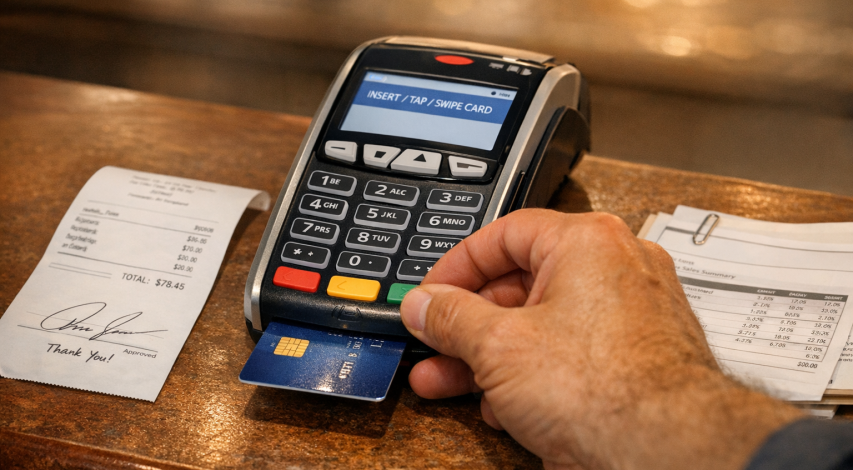
A card-present environment is what it sounds like - the cardholder is physically there, at the point of sale. That includes the chip reader at a grocery store, the tap-to-pay terminal at a coffee shop, and the swipe machine at a gas station counter. The transaction happens in person, face to face, with the physical card (or a digital wallet) involved.
Reason code 10.3 gets used when a cardholder looks at their statement and says they never authorized a transaction that happened in one of these environments. Maybe they don't recognize the merchant name. Maybe they believe their card was cloned or used without their knowledge. Either way, they file a dispute and their bank moves forward with a chargeback under this code.
The legal foundation behind this goes back to the Fair Credit Billing Act of 1974, which gave consumers the right to dispute unauthorized charges on their accounts. Card networks like Visa built their own dispute frameworks on top of that, and reason code 10.3 is one of the results. It's a consumer protection mechanism, and it's been part of the payments industry for a long time.

A 10.3 dispute can land on your desk even if you did everything right at the counter. The customer presented a card, the chip was read, the terminal approved the transaction, and a receipt was printed. There was no red flag, no override, no manual entry. The sale looked legitimate from where you were standing.
The card-present environment was historically seen as the safer side of payments, exactly because the physical card and the terminal working together provided a layer of verification. EMV chip technology was introduced in the US partly to cut back on this fraud, and it did cut back on counterfeit card fraud in a real and measurable way.
But the dispute rights that cardholders have don't disappear just because a chip was used. A cardholder can still file a 10.3 claim on a chip transaction, and Visa's rules allow it. The question of whether the claim is actually about unauthorized use is separate. That's what makes this reason code more complex than it first seems.
The Friendly Fraud Problem Hiding Inside 10.3 Disputes
Here's the uncomfortable part: a large portion of 10.3 disputes aren't actually fraud. Visa research has found that friendly fraud accounts for as high as 75% of all chargebacks, and card-present disputes are no exception to that pattern.
Friendly fraud happens when a cardholder disputes a legitimate transaction. The purchase was real, the card was present, and the merchant did everything right - but the customer files a claim anyway.
The reasons behind this can vary. Sometimes a cardholder legitimately doesn't recognize a charge because they forgot about the purchase or don't recognize the business name on their statement. Other times it's buyer's remorse; the cardholder regrets a purchase and sees a chargeback as an easy way out. And in households where multiple people share a card, a family member might make a purchase that the primary cardholder doesn't remember authorizing.
Picture a customer who has dinner at a restaurant and pays with their physical card. A few weeks later, they see the charge and can't place it - maybe the name on the statement is the parent company instead of the restaurant name. They call their bank, say they don't recognize the transaction, and a 10.3 dispute gets filed. The merchant has a signed receipt and a completed transaction but still has to respond to a chargeback.

This is why 10.3 disputes can seem frustrating to merchants. The reason code is meant to cover genuine fraud, but it ends up being the vehicle for these kinds of false claims too. Visa's dispute process doesn't distinguish between a true fraudulent transaction and a cardholder who just forgot they went out for dinner.
As a merchant, you can't tell from the dispute code alone which situation you're dealing with - and it actually matters to know, to choose how to respond. A dispute that looks like fraud on paper may have a simple explanation - and documentation like signed receipts, authorization records, or loyalty program activity can tell a very different story than the cardholder's claim.
The widespread nature of friendly fraud changes how you should think about every 10.3 dispute you receive - not as an automatic loss, but as something worth examining to decide whether to accept the chargeback or push back.
Deadlines That Can Make or Break Your Chargeback Response
Timing controls everything once a 10.3 dispute is filed. If you miss your window to respond, you lose - and it doesn't matter how strong your evidence is.
Issuers have as high as 120 calendar days from the transaction processing date to file a chargeback; it's a fairly wide window on their end. Your window as a merchant is much tighter.
Once a dispute lands, you usually have between 20 and 30 days to submit a rebuttal. The exact number can vary slightly depending on your acquirer and how they interpret network rules. Chargeback Gurus and Durango Merchant Services reference this range, so it's worth confirming the deadline with your acquirer directly instead of assuming you have the full 30 days.

| Party | Action | Deadline |
|---|---|---|
| Issuer / Cardholder | File a chargeback | Up to 120 calendar days from transaction processing date |
| Merchant / Acquirer | Submit rebuttal (representment) | Generally 20-30 days from dispute notification |
Missing that response deadline is one of the most common ways merchants lose disputes they'd have won. There's no grace period and no way to reopen the case once the window closes.
The 120-day issuer window gives you a helpful heads-up too. A transaction from four months ago is easy to forget about, and the paperwork around it is harder to pull together in a hurry; it's why keeping transaction records well organized long after a sale pays off.
Twenty to thirty days is enough time until you factor in weekends, internal back-and-forth, and the time it takes to collect the right documentation. In practice, merchants who wait to act until day 15 or later are putting themselves in a tough spot. If you're already dealing with a high volume of disputes, it's worth understanding what it means to be flagged as an Excessive Chargeback Merchant.
The takeaway is simple: treat the dispute notification date as day one and start building your response immediately. I'll talk about what that response should include next.
Evidence That Actually Holds Up When You Fight a 10.3 Chargeback
When you submit a representment for a 10.3 chargeback, the burden is on you to show the transaction was legitimate. That the cardholder was physically present. The stronger your documentation, the harder it is for the bank to side with the cardholder.
EMV chip data is your best asset here. When a card dips into a chip reader, the terminal captures cryptographic data that confirms the physical card was used and authenticated. That data is basically proof the card was in the room, and it's very tough for a cardholder to dispute a transaction that carries it.
A signed receipt can add some more confirmation - it connects an actual signature to that transaction, which directly challenges a claim that the cardholder had nothing to do with the purchase. If you have the chip data and a signature, you're in a strong position.
Surveillance footage can also make a real difference, and that's also the case if it shows a card at your terminal around the time of the transaction. You don't need a perfect close-up - footage that places a person at the point of sale at the right time supports your case.
Think about where your documentation has gaps. If your terminal processed the transaction in swipe mode instead of chip mode, that weakens your position even if everything else looks fine. This is the kind of situation where understanding EMV fallback transactions matters - banks and card networks know that swipe transactions carry a higher fraud risk, and they'll factor that in.
| Evidence Type | What It Demonstrates | Strength in Representment |
|---|---|---|
| EMV chip transaction data | Physical card was present and authenticated | Very strong |
| Signed receipt | Cardholder acknowledged the transaction | Strong |
| Surveillance footage | A person was at the point of sale | Moderate to strong |
| ID verification records | Cardholder identity was confirmed at purchase | Strong |
| Swipe-only transaction log | Card data was captured, but not chip-authenticated | Weak on its own |
If you grabbed ID at the time of sale and kept a record of it, that's worth including too - it directly ties a verified person to the transaction and closes one of the most common gaps in card-present fraud disputes.
Keeping 10.3 Chargebacks From Becoming a Pattern
Beyond prevention, the bigger change is in how you respond when a chargeback does arrive. A 10.3 dispute is a signal - not just an unavoidable cost of doing business - it may point to a gap in your checkout process, a recurring issue with a terminal, or a pattern worth tracking. Merchants who treat each chargeback as information instead of just a loss are the ones who actually cut back on their exposure over the long run.

The good news is that merchants who stay organized and respond on time win more of these disputes than they expect. A well-documented transaction - chip read confirmed, signed receipt on file, matching cardholder data - gives you a strong foundation to fight back. Keep your records, know your deadlines, and don't assume a chargeback is automatically a concession. In the card-present environment, the evidence is usually already in your hands. If you're managing responses across multiple locations, tools like Commerce Control Center can help you stay on top of deadlines and documentation in one place.
FAQs
What is Visa reason code 10.3?
Visa reason code 10.3 is used when a cardholder disputes a card-present transaction, claiming they never authorized it. It can cover genuine fraud or friendly fraud, where a legitimate purchase is falsely disputed.
What is friendly fraud in card-present disputes?
Friendly fraud occurs when a cardholder disputes a legitimate transaction they actually made. This can happen due to forgotten purchases, buyer's remorse, or unrecognized merchant names on statements.
How long do merchants have to respond to disputes?
Merchants typically have 20 to 30 days from dispute notification to submit a rebuttal. Missing this deadline results in an automatic loss, regardless of how strong your evidence is.
What evidence helps fight a 10.3 chargeback?
EMV chip transaction data is the strongest evidence, confirming the physical card was present. Signed receipts, surveillance footage, and ID verification records also significantly strengthen your representment case.
Can chip card transactions still result in chargebacks?
Yes. Cardholders retain dispute rights even on chip-authenticated transactions. However, EMV chip data makes it significantly harder for a cardholder to successfully claim unauthorized use.