 Call (844) NO-DISPUTES

4859: Addendum, No-Show, or ATM Dispute
Mastercard organizes its chargeback system into four main categories, with 21 reason codes spread across them. Code 4859 falls under the Cardholder Disputes category, and unlike some codes that cover large ground, has a narrow, well-defined scope - it applies to three situations: addendum disputes (unexpected charges added after the original transaction), no-show disputes (usually hotel reservations where the guest didn't show up but still got charged), and ATM disputes (problems with automated teller machine transactions).
Those three scenarios don't have a lot in common on the surface, but Mastercard bundles them here because they share a similar structure - a cardholder is disputing a charge based on an agreement, or disagreement, around transaction terms. Which of the three situations actually applies to your case is the first step toward figuring out what to do next.
Whether you're a merchant trying to respond to a chargeback or just trying to understand why a dispute was filed, this post breaks down what reason code 4859 means, what triggers it, and what your options are.
What "Addendum, No-Show, or ATM Dispute" Actually Means
Chargeback reason code 4859 covers three dispute types that don't have much in common past sharing a code. Knowing which one applies to your situation is the first step to what comes next.
An addendum dispute is about being charged for something you never agreed to. The original transaction may have been fine, but then an extra charge appeared afterward - a fee, an upgrade, or a line item that was never authorized. The dispute isn't about the main purchase itself, but that extra amount tacked on without consent.
A no-show dispute applies when a reservation was made but never fulfilled - this one comes up quite a bit with hotels and car rentals. If you canceled within the merchant's stated policy and were still charged a penalty, or if the service was never provided, that's the scenario this dispute type is built for. The important detail is that a reservation had to exist.
ATM disputes are more straightforward. You requested cash from an ATM, the machine didn't dispense it, but your account was still debited. There's no gray area around what you agreed to - you just didn't get what the transaction was supposed to give you.
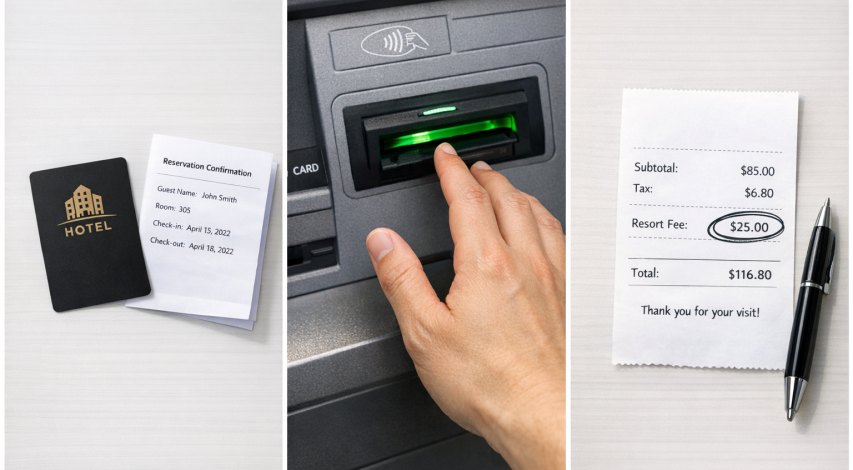
It's worth placing yourself in the right category before moving forward. The documentation you'll need and the arguments that hold weight are different depending on which dispute type applies. An addendum dispute relies heavily on showing what was and wasn't authorized. A no-show dispute leans on cancellation records and policy details. An ATM dispute is almost entirely about transaction logs and machine records.
These three scenarios don't overlap, so there's a path to follow once you know where you stand. I'll break down the mechanics - timelines, merchant rights, and what each side needs to prove - but that only makes sense once you've identified which type of 4859 dispute you're dealing with.
The 120-Day Window and What Triggers the Clock
The issuing bank has 120 days from the transaction date to file a 4859 chargeback. For ATM disputes, the clock starts from the date the cardholder was supposed to receive cash - not necessarily when they saw the problem.
That distinction matters more than it looks. A cardholder who waits weeks to report an ATM issue can still be within the valid window, as long as 120 days haven't passed since the transaction. Merchants and ATM operators who assume a delayed complaint is automatically too late can be caught out when the chargeback still comes through as valid.
The 120-day rule is a hard deadline on the issuer's side, but it doesn't mean disputes arrive early. Cardholders can report a problem at any point in that window, and issuers can file right up to the last day. That leaves room for a chargeback to land well after the transaction is old news to the merchant.
One detail worth knowing: 4859 does not apply to Mastercard Commercial Payments Account transactions, which are also called MAP transactions - a transaction type used in business-to-business payment flows that has its own separate rules. If a MAP transaction is in dispute, 4859 is not the right reason code - so if you're working through a chargeback on a commercial account, it's worth confirming the transaction type before doing anything else.

For standard consumer card transactions and ATM disputes, the 120-day window is what controls the timeline. The table below shows how the start date is determined based on dispute type.
| Dispute Type | Clock Starts From |
|---|---|
| Addendum or No-Show charge | Date of the original transaction |
| ATM cash not received | Date the cardholder should have received cash |
Knowing when the window opens is as helpful as knowing when it closes. A transaction that looks recent to the merchant might already be weeks into its 120-day period from the cardholder's side.
How Merchants and ATM Operators Have 45 Days to Fight Back
Once an acquirer receives a chargeback case, the merchant or ATM operator has 45 days to respond. That window moves fast, and missing it means the dispute is automatically lost - no matter how strong the case may have been.
A good rebuttal looks different depending on the dispute type. For addendum disputes, where a cardholder claims they were charged for something extra, merchants need to show authorization records that confirm the cardholder agreed to the full amount. A signed receipt or a documented agreement referencing the extra charge goes a long way here.
No-show disputes are a little more nuanced. The merchant needs to prove that a cancellation policy was presented to the cardholder before the reservation was made. That means showing the policy language itself and evidence that the cardholder acknowledged it - a checkbox confirmation, a signed form, or a timestamped online record all work well for this.
ATM disputes need a different type of documentation. The most helpful records are ATM audit tapes and electronic journals, which log every transaction detail at the machine level. These records can confirm if cash was dispensed and in what amount, which is the core question in most ATM-related chargebacks. Mastercard recommends keeping ATM records for at least six months, so operators who store less than that may find themselves without the evidence they need when a dispute lands.

The acquirer is responsible for collecting this from the merchant or operator and submitting it to Mastercard within the 45-day deadline. In practice, communication between the merchant and their acquirer needs to move faster.
Missing the deadline means the chargeback amount is absorbed without any recourse. There is no appeal process once the window closes; it's why documentation habits matter long before a dispute ever gets filed - the time to build a strong rebuttal is before anyone needs it.
For merchants and ATM operators, the takeaway is simple. Keep records organized, know what your acquirer needs from you, and treat the 45-day window as a hard deadline instead of a rough guideline. Operators dealing with recurring or complex chargeback situations should also understand how different dispute types are handled, since the documentation requirements can vary significantly.
Why 4859 Is Being Phased Out and What's Replacing It
Mastercard has been consolidating its chargeback reason codes for a while now, and 4859 is one of the codes on the way out. The disputes that used to live under 4859 are being redistributed into two other codes, and it's worth learning about which is which.
Addendum and no-show disputes are moving to reason code 4853. ATM disputes are moving to reason code 4834. The logic behind this is simple - Mastercard wants each code to align with a tighter, more defined category of dispute instead of grouping different scenarios under a single umbrella.
From a practical standpoint, this matters more than it may appear. If your chargeback response process was built around 4859, the code you're responding to has changed, and the documentation expectations may have shifted slightly with it. A response that worked well under 4859 might need to be reviewed and adjusted to fit 4853 or 4834. Understanding how card network rules are structured can help you navigate these transitions more confidently.

It's also worth looking over your internal workflows. Some businesses use chargeback management tools or templates that are tied to reason codes. If those tools haven't been updated to align with the new codes, you could be working from outdated logic without realizing it.
For ATM operators specifically, reason code 4834 is where future disputes will land. That code deals with point-of-interaction errors more broadly, so understanding how 4834 is framed can help ATM operators make replies that speak to the right criteria.
Merchants handling no-show or addendum disputes should get familiar with 4853 if they aren't already. The core dispute scenario is the same, but the code carrying it forward is different, and acquirers and processors will reference 4853 going forward. If you're dealing with a travel or event ticket dispute, the documentation requirements under 4853 are particularly relevant.
| Dispute Type | Old Code | New Code |
|---|---|---|
| Addendum / No-Show | 4859 | 4853 |
| ATM Disputes | 4859 | 4834 |
The underlying rules and timelines don't change with this consolidation, but the code you're responding to does. Now is a good time to check if your processes, templates, or software are still anchored to a code that's being retired. A solid chargeback representment strategy should always be built around the current, active reason code.
Getting Ahead of 4859 Before It Becomes a Bigger Problem
Before a chargeback arrives is the right time to audit the facts: Are your cancellation and no-show policies disclosed at the point of booking? Are your ATM journals retained long enough to reconstruct a disputed transaction? Are addendum charges tied back to a signed authorization? These aren't tough fixes, but they're easy to forget until a deadline is already counting down.

It's also worth mentioning that as Mastercard continues its transition away from legacy reason codes, the way these disputes are classified and processed will change. Staying current on those changes means you won't be taken aback when the framework you've built your replies around looks a little different. The code is the starting point - a steady, documented process around it is what actually protects your revenue.
FAQs
What three scenarios does Mastercard reason code 4859 cover?
Code 4859 covers addendum disputes (unauthorized extra charges), no-show disputes (hotel or rental reservations charged without service), and ATM disputes (cash not dispensed but account debited).
How long does an issuing bank have to file a 4859 chargeback?
The issuing bank has 120 days to file a 4859 chargeback. For ATM disputes, the clock starts from the date the cardholder should have received cash, not when they noticed the problem.
How long do merchants have to respond to a 4859 chargeback?
Merchants and ATM operators have 45 days to respond once the acquirer receives the chargeback. Missing this deadline results in an automatic loss with no appeal process available.
Is reason code 4859 still active or being replaced?
Code 4859 is being phased out. Addendum and no-show disputes are moving to code 4853, while ATM disputes are moving to code 4834.
Does reason code 4859 apply to commercial Mastercard transactions?
No. Code 4859 does not apply to Mastercard Commercial Payments Account (MAP) transactions. Those follow separate rules and require a different reason code.