 Call (844) NO-DISPUTES

AB: No Valid Authorization
The "AB" reason code comes into play when American Express determines that a charge was submitted without a valid authorization approval code attached to it. In other words, the transaction either skipped the authorization step entirely, used an expired or incorrect approval code, or was processed in a way that didn't meet Amex's authorization requirements. From the network's perspective, if the authorization doesn't check out, the charge shouldn't have gone through - easy as that.
For merchants, the frustrating part is that this dispute doesn't always signal bad intent from the cardholder. Sometimes it's a backend processing issue, a miscommunication between systems, or an honest procedural misstep. But regardless of the cause, the result is the same: a chargeback that needs to be addressed.
I'll break down everything you'll need to know about reason code A02 - how the authorization process is supposed to work, what situations tend to trigger this code, how to build a good rebuttal if you believe the dispute is unwarranted, and what steps you can take on the front end to prevent these chargebacks from showing up.
What "No Valid Authorization" Actually Means for Your Transaction
Reason code A02 has a simple meaning: the charge you submitted to American Express never had a valid authorization approval code attached to it. No approval code on file means American Express has no record of greenlighting that transaction before the money moved.
Authorization is the step that happens before a charge is captured. When a customer's card is presented, your payment system sends a request to American Express asking if the card is valid to use and if the funds are available. American Express responds with either an approval or a decline, and an approval comes with a code to confirm it happened. That code is what ties the authorization to the eventual charge submission.
The disconnect that can cause an A02 dispute is that the code never made it into the submission file - or was never generated - and it will happen even when a transaction looked normal at the point of sale. The approval may have been received but not stored correctly, or the charge was submitted under a different amount compared to what was authorized, or the authorization expired before capture.
There is a related code worth learning about: A03. A02 flags a missing or invalid authorization, but A03 is more specific - the submission file didn't include the six-digit authorization code in the correct field. A02 is the wider problem and A03 is a data formatting version of the same underlying failure.
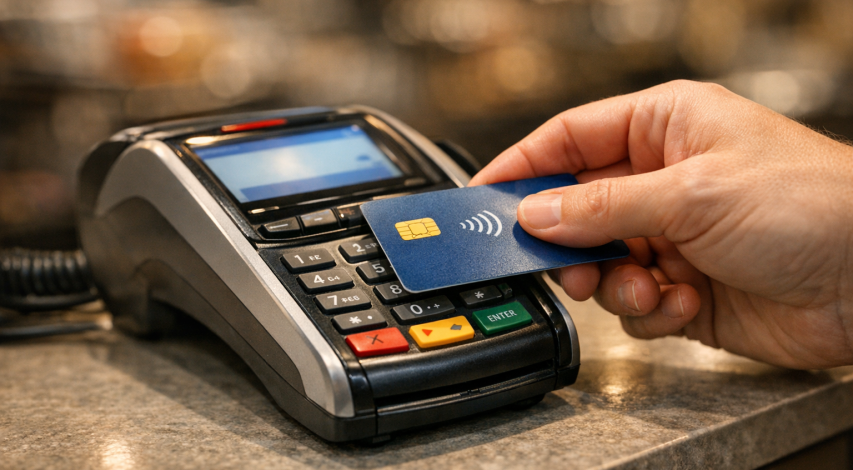
The reason American Express cares about this comes down to how the authorization system was built to protect everyone in the transaction. The approval code is proof that the card issuer reviewed and permitted the charge at a specific point in time. If you don't have it, there's nothing to verify that the transaction was legitimate at the point it occurred.
From a merchant's perspective, the tough part is that a charge can seem valid - the customer was present, the card went through, the sale completed - and the dispute still comes through because the backend record doesn't hold up. The payment experience and the authorization record are two separate things, and A02 disputes happen in the gap between them.
Common Triggers That Lead to an A02 Dispute
Most A02 disputes don't come from fraud or bad intent. They come from small breakdowns in the authorization process that no one sees until a cardholder pushes back.
One of the most common triggers is an expired authorization. When a merchant captures a payment after the authorization window has closed, the original approval is no longer valid. Card networks give that window a limited lifespan, and a capture that happens too late is treated as if no authorization existed at all.
Another common cause is a charge amount that doesn't match the authorized amount. If the final transaction total is higher than what the bank approved, the authorization doesn't cover the difference - this happens quite a bit with tips, split transactions, or last-minute order changes that don't go through a re-authorization step.
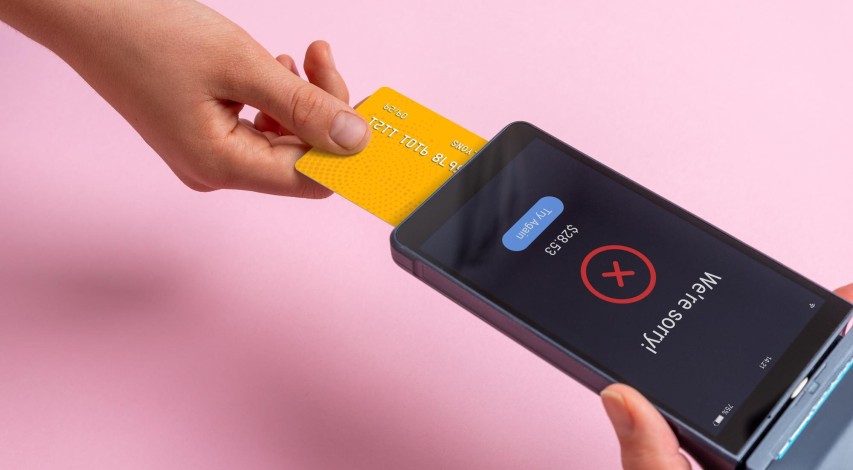
Some disputes happen because an authorization code was never obtained - it can happen during system outages, when a payment is manually keyed in incorrectly, or when a merchant forces a transaction through without an actual approval response from the issuing bank.
The table below breaks down the most common triggers and what's usually behind them.
| Trigger | What Causes It |
|---|---|
| Expired authorization | Capture submitted after the authorization window closed |
| Amount mismatch | Final charge exceeds the originally approved amount |
| No authorization code | Transaction forced through without a valid bank approval |
| Incorrect card data | Manual entry errors that produce a failed or missing auth |
| System or gateway error | Outage causes transaction to process without a response |
Processing errors are worth close attention because they're easy to miss in a high-volume environment. A duplicate transaction that slips through can cause a charge that has no clean authorization trail attached to it, as can a gateway timeout that gets retried incorrectly.
It's worth thinking about whether any of these scenarios could be happening somewhere in your checkout or back-office flow. Payment systems have moving parts, and gaps in the authorization chain don't always make noise before a dispute arrives.
The A02 Dispute Timeline: Key Dates Merchants Need to Know
Once a cardholder files an A02 dispute, the clock starts moving fast. The process runs on strict deadlines, and missing even one of them can mean losing the chargeback automatically - regardless of whether you have a strong case.
Cardholders have up to 120 days from the original transaction date to file a dispute; it's a wide window, which means you could receive a chargeback for a sale that happened months ago. From the moment you're notified, you have up to 20 days to submit your evidence and respond. That 20-day window is not flexible, so it's worth building a response process you can move through faster.

The full resolution - from the first dispute to a final choice - usually takes between 40 and 60 days. That timeline includes review periods on the bank's and card network's end, so most of that time is out of your hands. What you can control is how fast you respond within your window.
| Stage | Who Acts | Deadline |
|---|---|---|
| Dispute filed | Cardholder | Up to 120 days from transaction date |
| Merchant notified | Acquirer/Payment processor | Shortly after dispute is received |
| Merchant response window | Merchant | Up to 20 days from notification |
| Bank and network review | Issuing bank / Card network | Ongoing during resolution period |
| Final resolution | Card network | 40 to 60 days from dispute filing |
If you miss the 20-day response window, the chargeback is decided without your input. That usually means a loss, and you keep the chargeback on your record.
It also helps to know that the 120-day cardholder window resets in some cases - like when a recurring charge posts or a delivery date passes. Transactions you thought were settled can still come back. Keep records well past the sale date as a standard practice.
How to Build a Strong Response to an A02 Chargeback
When an A02 dispute lands in your queue, the quality of your response can depend on one thing: documentation. The card networks want to see proof that a valid authorization existed at the time of the transaction.
The most helpful evidence you can submit includes your authorization approval code, the transaction log showing the date and amount, and any order facts that tie the customer to that purchase. If your payment processor gives a full authorization record, pull that and include it. An approval code alone can be enough to close the case in your favor.
Context matters too. An approval code tells the network a transaction was authorized, but pairing it with a matching order record makes the story airtight. If the cardholder claims they never approved the charge, you want to show the full picture - the authorization, the amount, and the fulfilled order all lining up together.
What a Weak Response Looks Like
A weak submission usually has one of two problems. Either the merchant sends generic receipts without tying them to the authorization in question, or they miss documentation entirely and just write an explanation. Neither holds up well.

Vague replies that describe what happened without showing evidence don't win. The network is not reading your account of events - it's looking at records.
The 7-Day Rule for Credits
If you review a dispute and determine a refund is warranted, process and submit that credit within 7 days of making that determination. Missing this window can complicate the dispute and reflects poorly on your case. Act on it once you have made the call.
Why Documentation Habits Matter All Year
Merchants who win disputes are not doing anything special in the moment - they just kept records all the time. Authorization logs, transaction IDs, and order histories should be easy to access on any given day, not scrambled together after a dispute arrives.
If pulling documentation for a single transaction takes more than a few minutes, that's a process worth fixing. The merchants who struggle most with A02 replies are the ones treating record-keeping as a reactive job instead of a routine one.
Staying Ahead of A02 So It Stops Catching You Off Guard
The actual work happens before a dispute ever lands. Take a close look at your latest payment flow and ask honest questions. Are authorizations being captured correctly at the point of sale? Are pre-authorizations being refreshed when they should be? Does your team know the second a chargeback notification arrives, what to do next and who owns that process? If the answers feel uncertain, that's the signal to tighten things up now instead of after a dispute hits your account.

An A02 chargeback is less a penalty and more a prompt - a system check that signals something fixable. The merchants who manage these disputes well have built habits that make the disputes rare. A clean authorization process, a prepared team, and a response workflow are small investments that protect your revenue and your relationship with your payment processor over the long run. If disputes start to pile up, it's worth understanding what happens when your chargeback ratio hits 1% before things escalate further.
FAQs
What is American Express reason code A02?
Reason code A02 means a charge was submitted to American Express without a valid authorization approval code. This occurs when the authorization step was skipped, an expired code was used, or the transaction didn't meet Amex's authorization requirements.
What commonly triggers an A02 chargeback dispute?
Common triggers include expired authorizations, charge amounts exceeding the approved amount, forced transactions without bank approval, manual entry errors, and system or gateway outages that process transactions without a valid authorization response.
How long do merchants have to respond to A02 disputes?
Merchants have up to 20 days from receiving dispute notification to submit evidence. Cardholders have up to 120 days from the transaction date to file, and full resolution typically takes 40 to 60 days.
What evidence helps win an A02 chargeback dispute?
The most effective evidence includes your authorization approval code, transaction logs showing the date and amount, and order records tying the customer to the purchase. Pairing an approval code with matching order documentation creates the strongest possible case.
How can merchants prevent A02 chargebacks from occurring?
Merchants can prevent A02 disputes by ensuring authorizations are captured correctly at the point of sale, refreshing pre-authorizations before they expire, avoiding forced transactions, and maintaining consistent authorization logs and transaction records.