 Call (844) NO-DISPUTES
What is a Chargeback Liability Shift?
At its core, a liability shift is exactly what it sounds like: the responsibility for covering a fraudulent chargeback moves from one party to another based on specific conditions being met. Those conditions usually revolve around the technology used during a transaction - most especially, if EMV chip authentication or 3D Secure protocols were involved.
Understanding how this works isn't just helpful trivia. For merchants, getting it wrong can mean absorbing losses that should have fallen to the card issuer. For payment processors and financial institutions, it determines how disputes are adjudicated and who finally funds the resolution. This post breaks down the mechanics of chargeback liability shifts, when they apply, and what businesses can do to make sure they're on the right side of them.
How Chargeback Liability Works Before and After a Shift
By default, when a fraudulent transaction gives you a chargeback, the card-issuing bank absorbs the cost. The merchant keeps the sale and the bank eats the loss; it's the baseline - and it existed for decades as a way to protect merchants from fraud they had no way to prevent.
A liability shift changes that arrangement. When a shift is in place, the party that failed to use available fraud-prevention technology can become responsible for the chargeback cost instead. Think of it as accountability with capability - if you had the tools to cut back on fraud and chose not to use them, the financial consequences follow you.
That's where it gets consequential. A merchant who processes a transaction with outdated technology can be left holding the bill for fraud that a more protected approach may have stopped. The issuing bank, in those cases, is no longer liable.

| Scenario | Who Holds Liability |
|---|---|
| Standard card transaction, no fraud-prevention technology used by either party | Issuing bank |
| Merchant uses approved fraud-prevention technology, issuer does not support it | Issuing bank |
| Issuer supports fraud-prevention technology, merchant does not use it | Merchant |
| Both parties use approved fraud-prevention technology | Issuing bank (default) |
The logic here is worth looking at. If a merchant has access to a technology that makes fraud harder to commit and decides not to use it, the bank should not cover that loss. That reasoning is what drives every liability shift framework.
Technology adoption changes who is best positioned to prevent fraud at any given moment. Responsibility follows that position.
The EMV Chip Mandate That Triggered the First Major Shift
The single biggest liability change in modern payment history came into effect on October 1, 2015. That was the deadline set by Visa, Mastercard, American Express, and Discover for U.S. merchants to upgrade to EMV chip-capable terminals.
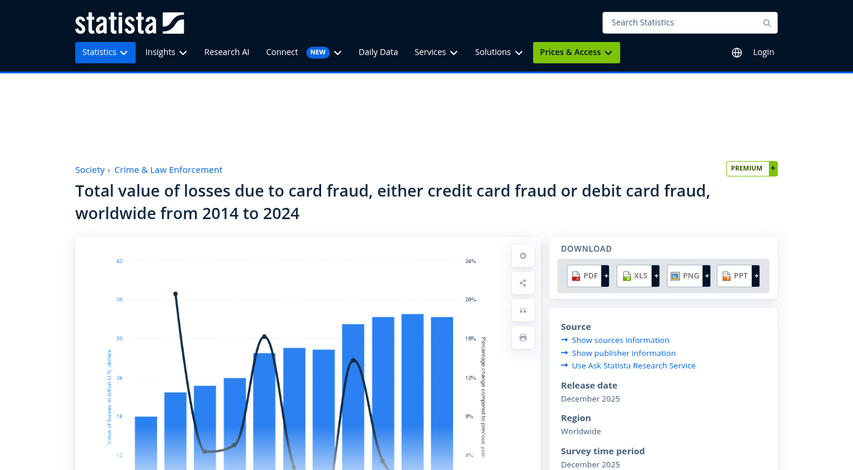
The motivation was clear and measurable. U.S. card issuers absorbed around $16 billion in fraud losses in 2014, and counterfeit card fraud was a large part of that. EMV chips generate a transaction code each time a card is used, which makes cloned cards basically worthless. Magnetic stripes don't do that, and fraudsters had been exploiting that gap for years.
Once the deadline passed, any merchant still running transactions on a swipe-only terminal took on the liability for counterfeit fraud that occurred at their terminal. Before that date, card issuers were responsible for those losses. The logic was easy: if a more protected option is available and you choose not to use it, the consequences land on you.
Not every network drew the line in the same place. Visa's liability change covered counterfeit fraud only. Mastercard, American Express, and Discover went further and also included lost and stolen card fraud in their liability rules. That distinction matters because lost and stolen fraud covers a different set of scenarios than counterfeit card fraud.
One notable exception to the 2015 deadline was automated fuel dispensers, which are the card readers built into gas pumps. Those terminals have a separate deadline that was eventually set for April 17, 2021, largely because retrofitting them is more difficult and expensive than swapping out a countertop terminal.
The liability consequences here were not just about regulatory pressure from the card networks. They reflected a deliberate attempt to use financial incentives to push merchants toward more protected infrastructure. If fraud happens at an outdated terminal, the merchant pays. That was very intentional.
Card-Not-Present Transactions and the 3DS Authentication Shift
Online fraud has grown at a pace that makes physical card skimming look minor. Card-not-present fraud hit $5.04 billion in 2019 and climbed to $10.16 billion by 2024; it's a doubling in five years, and it's one reason the payment industry leaned hard into 3D Secure authentication.
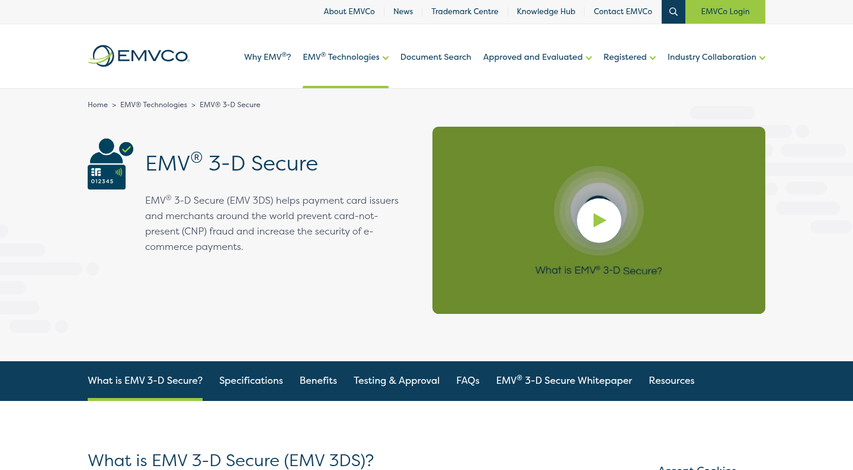
3D Secure, or 3DS, is the verification layer you see when your bank sends a one-time code before confirming an online buy - it adds a checkpoint between the customer and the completed transaction. That checkpoint does more than stop fraud - it also determines who takes the financial hit when fraud happens anyway.
When a card issuer authenticates a transaction through 3DS, the liability moves away from the merchant and onto the issuer. The merchant completed their part by pushing the transaction through the authentication process. If the issuer approved it and fraud still occurred, the issuer is responsible.
This matters because it breaks the default assumption that online merchants carry fraud risk automatically. If you don't have 3DS, a fraudulent online transaction usually lands on the merchant's side of the ledger. With it, the calculus changes considerably.
Visa's data shows authenticated transactions carry 45% lower fraud rates than unauthenticated ones. Merchants who build strong 3DS adoption into their checkout flows see 40% to 60% fewer fraud-related chargebacks. Those aren't small numbers when chargebacks carry fees, inventory loss, and the threat of account termination.
3DS authentication doesn't cover every chargeback type. A customer who claims they never received an item has a fulfillment dispute - not a fraud one - and authentication doesn't reassign that liability. The protection is real, but it's specific to fraudulent transaction claims.
What 3DS does is give merchants a documented trail that proves the card issuer signed off on the transaction. That documentation is what actually triggers the liability reassignment. The benefits of integrating 3D Secure go beyond fraud prevention - they extend to how disputes are evaluated and resolved.
What Merchants Actually Lose When Liability Falls on Them
When a merchant is liable for a chargeback, the financial hit goes well past the refund itself. The customer gets their money back. But the merchant also loses the goods or service they already delivered and pays a chargeback fee on top of that.
Those fees usually run between $20 and $100 per dispute depending on the payment processor; it's an actual amount for a small business running on tight margins.
| Cost Category | What It Means for the Merchant |
|---|---|
| Lost revenue | The transaction amount is reversed and the merchant keeps nothing |
| Lost product or service | Goods already shipped or services already delivered are gone |
| Chargeback fee | A flat fee charged by the processor for handling the dispute |
| Dispute ratio penalties | Too many chargebacks can trigger monitoring programs with extra fees |
| Account termination risk | Processors can end the merchant relationship entirely |
The dispute ratio piece is where things get harder to recover from. Card networks like Visa and Mastercard track how many chargebacks a merchant receives relative to their total transactions. Cross a threshold and you enter a watching program, which brings extra monthly fees and closer scrutiny.
For small business owners, this came as a genuine shock. Many didn't know that non-compliant authentication tools left them financially exposed. The chargeback system was built around large processors and card networks - not the independent retailer processing a few hundred orders a month.
Manual chargeback disputes are also time-consuming. Gathering evidence, submitting representment documents, and tracking results is an operational burden that takes time away from running the business.
The laws apply the same way to everyone. But the resources to manage them don't - a gap that falls hardest on smaller merchants.
How to Stay on the Right Side of a Liability Shift
The good news is that protecting yourself comes down to a handful of helpful steps, and none of them are difficult to get started with.
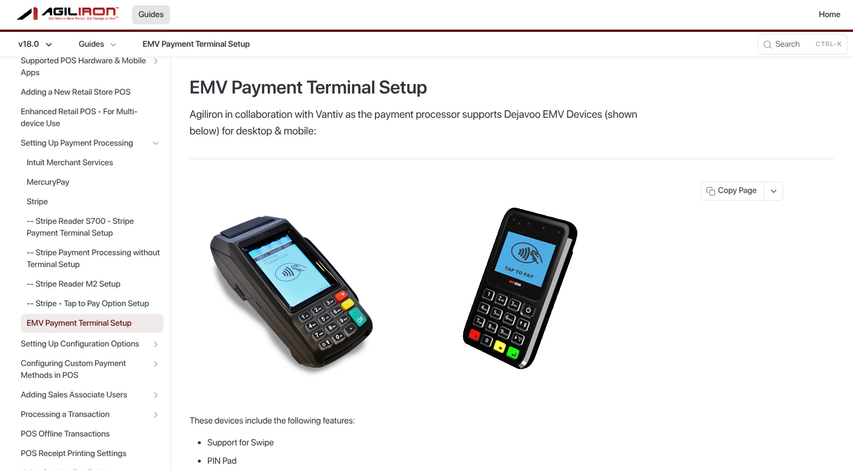
The most important thing for in-person sales is to use an EMV-compliant terminal. Since EMV chip technology became standard, in-person card fraud dropped by around 70%. That stat exists because compliance actually works. If your terminal can read a chip card but you're still swiping, you're accepting liability you don't need to hold.
For online sales, enabling 3D Secure (3DS) authentication is the equivalent move - it can add a verification step for cardholders during checkout and, when a transaction passes through 3DS successfully, liability for fraud-related chargebacks usually moves to the card issuer; it's an actual layer of protection for card-not-present transactions. Learn more about how Strong Customer Authentication fits into this framework.
Keep records of every transaction. Receipts, authorization codes, delivery confirmations, and customer communication can all support your case if a dispute does come through - this won't keep away chargebacks, but it gives you something to work with.
It's also worth taking time to know what each card network actually covers. Visa, Mastercard, and others have their own rules about which fraud types fall under a liability transfer, and those rules aren't always identical. For example, understanding codes like 10.2: EMV Liability Shift Non-Counterfeit Fraud can help clarify where the gaps are and where to focus your compliance work.
One pitfall worth flagging: merchants invest in chip-compliant terminals and then assume they're covered across the board. If you also take payments online or over the phone, those CNP channels have separate requirements - the F29: Card Not Present reason code is a good example of how a gap in one area can leave you exposed even when your in-store setup is solid.
Liability protection is not a one-time fix - it's something you build into how you accept payments across every channel you use, and then keep an eye on as your business changes. If fraud levels escalate, programs like the Visa Fraud Monitoring Program can become a factor worth understanding early.
Liability Shifts - Know Where You Stand Before Fraud Does
The merchants who get taken aback by unexpected chargeback liability usually aren't making big mistakes - they're just missing a few key facts about how these changes work. A little familiarity with the underlying framework goes a long way toward protecting your bottom line and staying away from credit card disputes that could have been prevented.
Here are the key things to walk away with:
- EMV chip technology shifts counterfeit fraud liability to whichever party hasn't adopted it - usually the merchant if they're still running magstripe-only terminals.
- 3D Secure authentication can shift liability for online fraud disputes from the merchant to the card issuer when properly implemented.
- Not all chargebacks shift liability - non-fraud disputes like "item not received" or "not as described" typically remain the merchant's responsibility regardless of authentication.
- Staying current with card network rules is the simplest way to make sure you're protected when a dispute arises.
- When in doubt, ask your payment processor - they can clarify exactly where liability falls based on your current setup.
Understanding how liability changes work puts you in a much stronger position to fight chargebacks and to stay away from them.
FAQs
What is a chargeback liability shift?
A chargeback liability shift moves financial responsibility for fraudulent transactions from one party to another, typically based on whether fraud-prevention technologies like EMV chips or 3D Secure authentication were used during the transaction.
When did the EMV chip liability shift take effect?
The EMV chip liability shift took effect on October 1, 2015, after which merchants still using swipe-only terminals became responsible for counterfeit card fraud occurring at their terminals instead of the card-issuing bank.
Does 3D Secure protect merchants from chargeback liability?
Yes. When a transaction is successfully authenticated through 3D Secure, liability for fraud-related chargebacks typically shifts from the merchant to the card issuer, since the issuer approved the transaction.
Do liability shifts cover all types of chargebacks?
No. Liability shifts only apply to fraud-related disputes. Non-fraud chargebacks, such as "item not received" or "not as described," remain the merchant's responsibility regardless of authentication methods used.
What financial losses can merchants face from chargeback liability?
Merchants can lose the transaction amount, goods or services already delivered, and face chargeback fees of $20-$100 per dispute. High chargeback ratios can also trigger network monitoring programs or account termination.