 Call (844) NO-DISPUTES

4834: Point-of-Interaction Error
Error 4834 falls under a category of chargebacks that revolve around how a transaction was captured at the terminal or device level. Unlike disputes because of customer dissatisfaction or fraud, Point-of-Interaction errors are largely technical and procedural in nature. That distinction matters, because it changes how merchants should respond and what steps they can take to protect themselves.
I'll break down what error code 4834 means, what usually causes it, and how merchants can address it - when fighting a chargeback and when working to avoid one from happening.
What "Point-of-Interaction Error" Actually Means
The "point of interaction" is the exact second a cardholder's payment strategy meets the merchant's payment terminal. That could be a tap, a drop, a swipe, or a manual card entry. Error code 4834 gets triggered when something goes wrong at that precise second of contact.
This code flags a technical or procedural failure in the way the transaction was processed at the terminal level - not fraud and not a cardholder disputing a charge.
In helpful terms, this usually means the transaction data captured at the terminal didn't hold up as high scrutiny. The amount may have changed between authorization and settlement, the transaction may have been processed more than once, or the date on the transaction might not match what the issuer has on record. These aren't billing disputes in the traditional sense - they're processing failures.
What makes 4834 a little different from other chargeback reason codes is that it covers a number of sub-types, and each one seems like a different failure at the point of interaction, and each one has its own set of conditions that need to be met before a bank can even file it. The code is more like a category than a single, fixed problem.

The word "interaction" in the name anchors the whole code to the physical or online exchange between card and terminal - it helps narrow down where to look when one of these chargebacks lands. In most cases, the answer lives somewhere in the transaction record, the terminal configuration, or the authorization process itself.
This also means that 4834 chargebacks like to leave a paper trail. The evidence needed to respond to them is transactional by nature, which is actually helpful when building a rebuttal.
The Sub-Types Under 4834 and When Each One Applies
Mastercard breaks 4834 into a few sub-reason codes, and knowing which one applies to a transaction makes a real difference in how you respond to it.
The most common sub-type is 4834.1, which covers duplicate processing - this happens when the same transaction gets submitted more than once, usually because a terminal froze or the merchant ran the card again to confirm the first attempt went through. The cardholder then sees two identical charges and disputes one of them.
Sub-type 4834.2 relates to transactions in the wrong currency. If the cardholder was charged in a currency they didn't agree to, that falls here. It's different from an incorrect currency conversion dispute - it's specifically about not having a choice before the charge went through.
There's also 4834.3, which covers late presentment. A transaction submitted to the network too far after the original authorization date can trigger this. Banks have time limits on how long a merchant can wait to settle a transaction, and going past that window can make the charge look unauthorized.
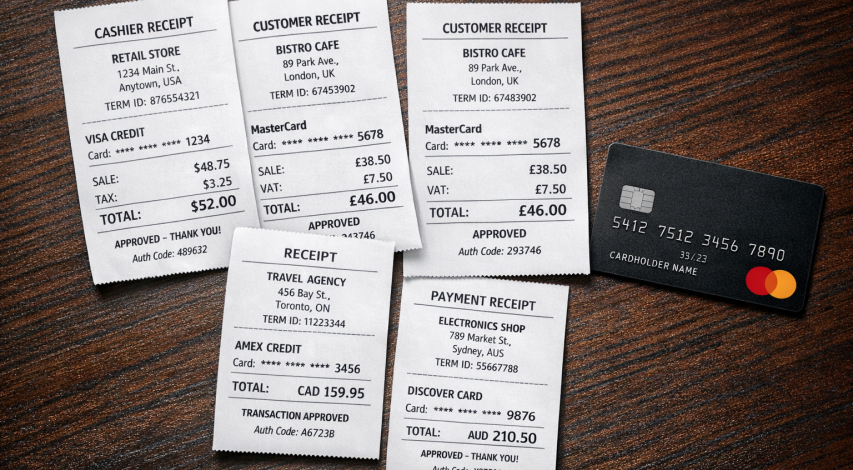
Finally, 4834.4 applies to situations where the transaction amount doesn't match what the cardholder agreed to pay. A partial authorization that was handled incorrectly ends up here.
| Sub-Type | What It Covers |
|---|---|
| 4834.1 | Duplicate processing |
| 4834.2 | Wrong currency charged |
| 4834.3 | Late presentment |
| 4834.4 | Incorrect transaction amount |
Each sub-type has a different root cause, so the evidence you'd use to fight one won't necessarily work for another.
Filing Deadlines and Response Windows That Catch People Off Guard
Cardholders usually have 120 days from the transaction date to file a 4834 chargeback. That window sounds generous, but it can close faster than expected when the transaction date and the dispute date are far apart.
For merchants, the response window is much tighter. Once a chargeback is filed, merchants usually have 45 days to respond with representment documentation. Missing that window means the chargeback stands, regardless of how strong the evidence could be.
These timeframes are set by Mastercard and don't leave room for flexibility. Banks and processors follow them strictly, so the calendar matters just as much as the evidence itself.
| Party | Action | Timeframe |
|---|---|---|
| Cardholder | File a dispute | 120 days from transaction date |
| Merchant | Submit representment | 45 days from chargeback date |
| Issuer | Review and respond | 45 days from representment |
The issuer also has a response window after a merchant submits representment. They get 45 days to review the new evidence and choose whether to reverse the chargeback or push back with a pre-arbitration filing.

Pre-arbitration is the stage where things get expensive. If the issuer rejects the representment, the merchant has to choose whether to accept the loss or escalate to Mastercard arbitration. Arbitration fees run into hundreds of dollars and the losing party pays them.
One thing that trips people up is the difference between the transaction date and the dispute date. The 120-day clock starts from when the transaction processed - not from when the cardholder saw the problem. That gap can quietly shrink the available filing time without anyone realizing it until the deadline has passed.
How the Chargeback Process Flows From Filing to Resolution
Once a cardholder files a dispute, the issuing bank reviews it and decides whether to move forward. If they do, the chargeback gets sent to the merchant's acquiring bank, which then passes it along to the merchant. At that point, the merchant has a window to respond or accept the loss.
Accepting means the funds go back to the cardholder and the case closes. Fighting it means submitting a rebuttal with supporting evidence, which the acquiring bank packages up and sends back to the issuer for review.

The issuer looks at what both sides submitted and makes a choice. If they rule in the merchant's favor, the funds come back. If they side with the cardholder, the chargeback stands and the merchant absorbs the loss.
There's one more layer after that. If the merchant disagrees with the outcome, they can request arbitration through the card network. It's a more formal process and the fees involved are significant, so it's worth doing only when the dollar amount and the strength of the evidence make it worthwhile.
| Stage | Who Acts | What Happens |
|---|---|---|
| Dispute Filed | Cardholder / Issuer | Issuer reviews and decides to proceed |
| Chargeback Issued | Issuer / Acquirer | Merchant is notified and given a response window |
| Representment | Merchant / Acquirer | Merchant submits evidence to contest the dispute |
| Issuer Decision | Issuer | Funds returned to merchant or cardholder wins |
| Arbitration | Card Network | Final ruling if either party escalates |
The whole process can take weeks or months to completely resolve. Funds are usually held or reversed early in the process, so the merchant feels the financial hit long before a final choice comes through.
What Merchants Can Do to Fight or Prevent a 4834 Dispute
The good news is that merchants are not powerless here. Many 4834 disputes come down to a lack of documentation, and that's something you can fix before a dispute ever lands in your lap.
Start with your transaction records. Every successful authorization, every receipt, every confirmation email is something you can use to show that a transaction was legitimate and processed correctly. If a customer claims they were charged twice, a clean authorization log that shows only one approved transaction can be enough to win a representment.
It also helps to get your refund process in order. A lot of duplicate transaction disputes happen because a customer did not see a pending charge resolve, then contacted their bank before the refund had time to post. A fast refund process cuts back on that window of uncertainty considerably.
On the prevention side, your payment terminal setup matters more than you think. Point-of-interaction errors frequently trace back to misconfigured terminals or outdated software. Work with your payment processor to run periodic checks and confirm everything is operating correctly.
Staff training is equally important. Employees who know how to manage a declined card, a frozen terminal, or a double-swipe situation can stop a dispute before it starts. A quick staff refresher on card handling procedures is worth more than most merchants expect.
For representment, the documents that tend to carry the most weight are listed below. If a chargeback comes in after a partial refund was already issued, make sure that refund confirmation is included as well.
| Document Type | Why It Helps |
|---|---|
| Authorization records | Proves only one transaction was approved |
| Transaction receipts | Shows the charge amount and timestamp |
| Refund confirmation | Demonstrates the duplicate was already resolved |
| Customer correspondence | Shows good-faith communication before the dispute |
Avoiding 4834 Chargebacks Starts Long Before the Dispute
Merchants who see this error frequently should treat it as a signal to audit their hardware and integration setup. Aging terminals, inconsistent network environments, and misconfigured point-of-sale software are all too common culprits that a proactive review can address before they affect customer experience or transaction approval rates. Understanding how your credit card descriptor affects chargebacks is another step worth taking early in that audit process.
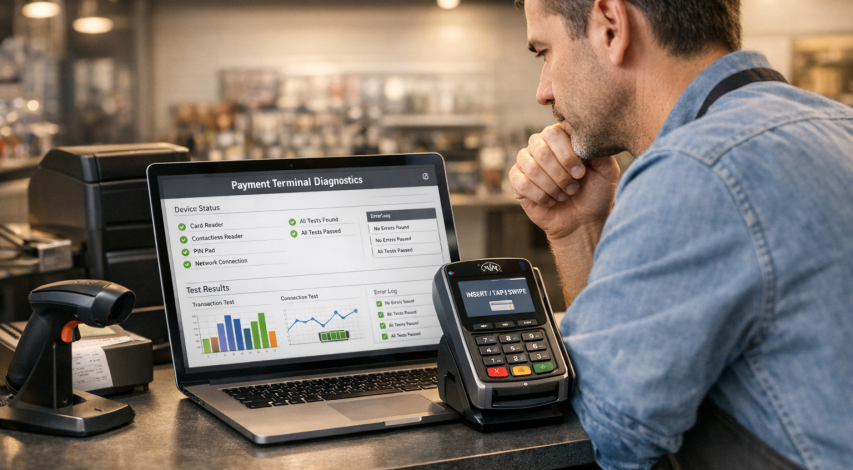
If the error persists after standard troubleshooting, contact your payment processor or your acquiring bank directly and give them transaction logs alongside any terminal diagnostic data. The more detail you supply initially, the faster the support team can isolate the root cause and restore normal processing. Merchants using third-party platforms should also be aware of account risks tied to excessive chargebacks before issues escalate.
FAQs
What is Mastercard chargeback error code 4834?
Error code 4834 is a Mastercard chargeback category covering technical or procedural failures at the point of interaction - the moment a card meets a payment terminal. It includes issues like duplicate charges, wrong currency, late presentment, and incorrect transaction amounts.
What are the sub-types under error code 4834?
The four sub-types are 4834.1 (duplicate processing), 4834.2 (wrong currency charged), 4834.3 (late presentment), and 4834.4 (incorrect transaction amount). Each has a different root cause and requires different evidence to dispute.
How long do merchants have to respond to a 4834 chargeback?
Merchants typically have 45 days from the chargeback date to submit representment documentation. Missing this deadline means the chargeback stands, regardless of how strong the evidence might be.
What documents help fight a 4834 chargeback?
The most useful documents include authorization records, transaction receipts, refund confirmations, and customer correspondence. These help prove the transaction was processed correctly or that a duplicate charge was already resolved.
How can merchants prevent 4834 chargebacks from occurring?
Merchants should regularly audit payment terminals, keep software updated, and train staff on proper card handling procedures. A fast refund process and well-configured terminals can stop many point-of-interaction errors before they become disputes.