 Call (844) NO-DISPUTES

13.9: Non-Receipt of Cash or Load Transaction Value
Non-receipt of cash or load transaction value is one of the most common disputes in electronic payments and prepaid card systems, and it can happen for a number of reasons. Sometimes the issue is technical - a network timeout, a card reader malfunction, or a processing error that flags a transaction as failed when it wasn't. Other times, the problem is in how the dispute is documented, reported, or investigated on the back end.
This section walks through the laws, procedures, and responsibilities that govern these - like what cardholders can expect, what issuers and processors are required to do, and how timelines and evidence requirements factor into the resolution process. Whether you're handling a dispute for the first time or looking to sharpen your operational knowledge, what follows gives you a framework for taking care of non-receipt claims with confidence.
What Visa Reason Code 13.9 Actually Covers
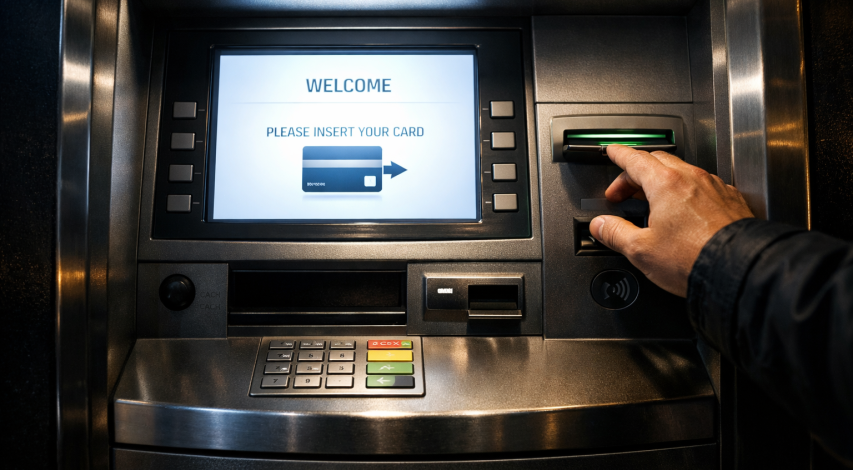
Reason code 13.9 applies to two transaction types: ATM cash disbursements and load transactions. A cash disbursement dispute means a cardholder went to an ATM, the transaction was processed and their account was debited, but no cash came out. A load transaction dispute works in the same way - the cardholder paid to load value onto a card or account but that value never appeared.
This code replaced the older Visa reason code 90, which covered the same territory before Visa launched its Claims Resolution initiative. The reorganization tightened up the rules and created a more structured process for issuers and acquirers to follow. Visa grouped disputes into cleaner categories and attached clearer timelines and evidence requirements to each one.
In practical terms, "non-receipt" means the funds or value were never delivered to the cardholder - not that the transaction was unauthorized or that there was a billing error. That distinction matters quite a bit when a dispute gets filed.
Not every failed ATM interaction qualifies under this code. The transaction has to have been processed and settled for the dispute to be valid. If the ATM declined the transaction before it went through, there's no chargeback to file because the cardholder was never charged. The code only applies when money left the cardholder's account and nothing was received in return.
Load transactions follow a similar logic. The cardholder has to show that the load was initiated and the funds were taken, but the balance on the receiving account or card was never updated. A transaction that failed at the point of initiation would not meet the threshold for this dispute type.
It is also worth noting that this code does not cover situations where a cardholder disputes the amount they received instead of a non-receipt. If a cardholder got cash from an ATM but believes they received less than the machine dispensed, that scenario may fall under a different dispute category. Reason code 13.9 is about receiving nothing at all.
The scope here is narrower than might be expected, which is why Visa drew these lines so deliberately during the Claims Resolution restructure. A well-defined scope makes it easier to collect the right evidence and move the dispute through the process correctly.
The Cardholder's Right to Dispute a Failed ATM Transaction
The Fair Credit Billing Act of 1974 is the law that gives cardholders the right to formally challenge transactions that didn't go as expected - it applies here because a debit to your account without the corresponding cash or load value is basically a billing error under federal law. That legal foundation is what makes the dispute process possible.
Having your account debited with nothing to show for it is stressful. You didn't get the cash, the machine gave you no receipt, and now you have to prove something didn't happen. The good news is that the dispute process was built to manage this situation.
To file a dispute, you'll need to contact your card-issuing bank. Most banks let you do this by phone, through their app, or in writing. You should have your account number ready along with the date, time, and location of the attempted transaction.
What Evidence Helps Your Case
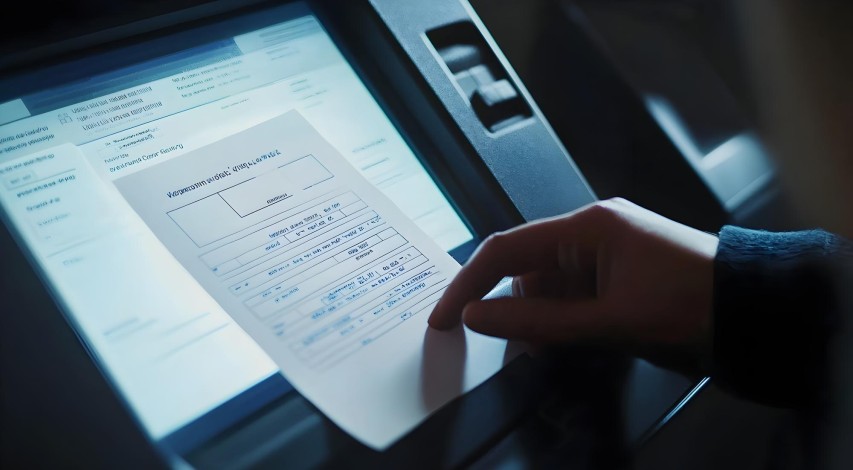
The strongest disputes are the ones with documentation behind them. A receipt showing a failed or incomplete transaction is the most helpful thing you can have, so hold onto any paper the machine prints even if it looks like an error slip. If no receipt was printed, a photo of the ATM screen or the machine itself with a timestamp can help support your account of events.
Your bank statement showing the debit is also a core part of evidence because it confirms the charge actually posted. Some banks will ask you to submit a written statement explaining what happened in your own words. Keep that statement factual and concise - the date, the machine, the amount, and what the machine did or didn't do.
The sooner you contact your bank, the easier it is to pull the relevant records before they become harder to retrieve. ATM logs and transaction data don't stay accessible indefinitely, so timing matters more than you might know. Banks and networks operate within a defined dispute window, so acting quickly is important.
You don't need a lawyer or any special knowledge to file this dispute. You just need the right information gathered in one location to make that call to your bank. Keep in mind that failing to respond promptly can affect how your case is handled on either side of the process.
The 120-Day Filing Window and Why Timing Is Everything
Once a cardholder raises a dispute, the clock starts. Issuers have 120 calendar days to process a chargeback under reason code 13.9, and that window opens from either the transaction processing date or the transaction adjustment date for ATM and PIN-authenticated debit transactions.
That distinction matters more than it might feel. If an adjustment was made to the original transaction - say, a partial credit was issued - the 120 days can run from that adjustment date instead. This gives cardholders a bit more runway in some situations, but it does not make the deadline flexible.
A dispute filed after the 120-day period is dead on arrival. Issuers can't process a chargeback after that window has passed, no matter how legitimate the claim is.
| Party | Action | Deadline |
|---|---|---|
| Cardholder | Report the failed transaction to their issuer | As soon as possible; feeds into the issuer's 120-day window |
| Issuer | File the chargeback with Visa | 120 calendar days from the transaction or adjustment date |
| Acquirer | Respond to the chargeback | 30 calendar days from the chargeback date |
| Issuer | File a pre-arbitration if needed | 30 calendar days from the acquirer's response |
This is why cardholders need to report problems fast. The issuer has to complete its own review before filing, so a cardholder who waits weeks to raise a complaint is eating into the time the issuer has to act.

Good recordkeeping makes or breaks a dispute at every stage. Cardholders should hold onto ATM receipts, screenshots, and any bank notifications they receive. Issuers need a paper trail to build the case, and without documentation the chargeback is much harder to support before the deadline arrives.
The 120-day rule is a hard stop with no grace period built in. Every party in the chain has a role to play within a fixed timeframe, and the whole process can depend on moving faster and keeping their records in order. If the issuer's response goes unresolved, the next step may involve credit card pre-arbitration - a formal escalation with its own strict deadlines.
How Acquirers and Merchants Can Respond to a 13.9 Chargeback
When a 13.9 chargeback lands, acquirers and merchants have 30 days to put together a response; it's not a giant amount of time, so it helps to know what a strong rebuttal looks like before you're in the middle of one.
The core of any response is transaction-level evidence - that means pulling ATM logs, dispense records, and any system data that confirms the cash or load value was successfully delivered. If the machine recorded a successful dispense at the exact time of the transaction, that record is your most direct line of defense.
That said, not all records carry the same weight. A transaction log that shows an approved authorization is helpful, but it doesn't automatically prove the cardholder received funds. Dispute teams looking over the case want to see evidence that connects the authorization to a physical outcome - not just a status code that says "approved."
This is where replies fall short. Documentation gaps tend to be the main reason chargebacks get upheld instead of reversed. If the dispense record is missing, incomplete, or doesn't match the transaction timestamp, it can become very hard to argue that the cardholder received what they were charged for.
What Tends to Work and What Doesn't
Strong replies usually include a combination of supporting records instead of a single document. ATM journal logs, cassette balance reports, and error logs from around the time of the transaction can all help build a fuller picture. If the machine experienced a jam or fault condition at that time, the error log supports the merchant's version of events.
Replies that use general policy statements or vague system notes don't succeed. A statement like "our machines are regularly maintained" doesn't address what happened during a particular transaction on a particular day. For disputes involving cash advance transactions, the same standard of transaction-specific evidence applies.
It's also worth noting that if the cardholder has already filed a police report or made a formal complaint, the bar for the merchant's response goes up. The rebuttal needs to be specific and grounded in records tied to that transaction. Cases that don't fit neatly into defined categories may also need to be handled as a cardholder dispute not elsewhere classified.
A well-prepared response won't always win, but a poorly prepared one is very unlikely to. The strength of the documentation is usually the deciding factor.
Keeping Your Bases Covered at the ATM and Beyond
The best defense for everyone involved is preparation before anything goes wrong. A few easy habits can make the difference between a resolved dispute and a dead end:
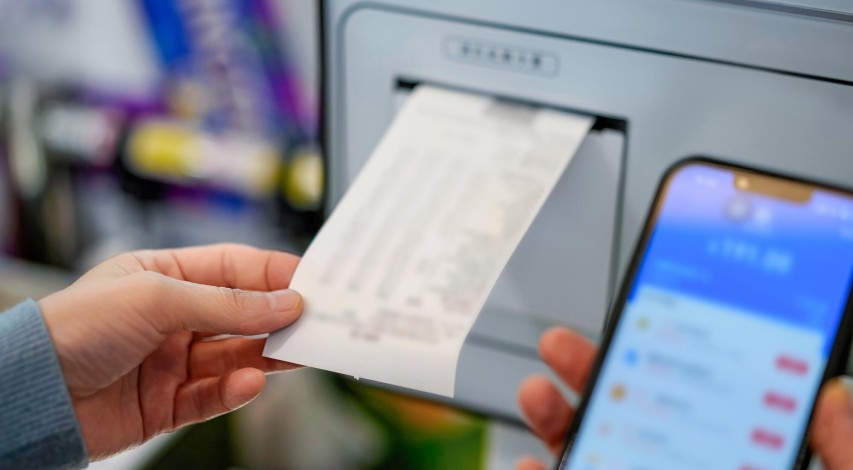
- Save ATM receipts, even when a transaction appears successful
- Review account statements regularly so discrepancies are caught early
- Report problems quickly, since waiting too long can forfeit your right to dispute
- Keep records of communications with your bank or card issuer about any issue
For merchants and ATM operators, maintaining accurate transaction logs and responding promptly to retrieval requests is what matters. The chargeback process under 13.9 is not designed to punish businesses acting in good faith - it was built to create accountability on all sides. Cardholders who follow up fast and merchants who keep clean records will find the system far more manageable. When something goes sideways, the laws are already in place to help make it right.
FAQs
What does Visa reason code 13.9 cover?
Visa reason code 13.9 covers two transaction types: ATM cash disbursements and load transactions where the cardholder was charged but received no cash or loaded value in return.
How long do cardholders have to file a 13.9 dispute?
Issuers have 120 calendar days from the transaction or adjustment date to file a chargeback. Cardholders should report issues as soon as possible, since waiting reduces the time available for the issuer to act.
What evidence should cardholders gather for non-receipt disputes?
Cardholders should save ATM receipts, take timestamped photos of the machine or screen, and keep bank statements showing the debit. A written account of what happened also strengthens the dispute.
How should merchants respond to a 13.9 chargeback?
Merchants have 30 days to respond and should provide transaction-specific evidence such as ATM journal logs, dispense records, and error logs that confirm whether cash or value was successfully delivered.
Does reason code 13.9 apply if an ATM declined the transaction?
No. The code only applies when a transaction was processed, settled, and the cardholder's account was debited. A declined transaction that never posted does not qualify for a 13.9 chargeback.