 Call (844) NO-DISPUTES

12.5: Incorrect Amount
That's the scenario Visa chargeback reason code 12.5: Incorrect Amount was built for - it exists specifically to protect cardholders when the amount debited from their account doesn't line up with what was actually authorized at the time of purchase. It's a simple concept, but the facts - what qualifies, what doesn't, and how disputes get resolved - matter quite a bit depending on which side of the transaction you're on.
For merchants, an Incorrect Amount chargeback can seem like a gut punch, and that's also the case when the error wasn't intentional. A processing glitch, a manual entry mistake, or a currency conversion issue can trigger one of these disputes before anyone realizes what happened. Understanding how this reason code works is the first step toward taking care of it - and toward preventing it from happening again.
This page breaks down what triggers a 12.5 chargeback, walks through the dispute process, and covers what merchants can do to respond or avoid the situation entirely.
What Triggers a 12.5: Incorrect Amount Chargeback
A 12.5 chargeback gets filed when a cardholder is charged a different amount compared to what they agreed to pay. The card network sees this as a violation of the basic agreement between a merchant and a customer.
There are three situations that usually set this off. The first is when a transaction amount gets changed after the cardholder has already approved it. On a signed receipt where the final charge doesn't match what the customer authorized, the cardholder approved one number and their statement shows another.
The second situation is a point-of-sale error that causes the wrong amount to go through - it will happen with manual entry mistakes, system glitches, or a staff member keying in the wrong figure. The cardholder didn't do anything wrong here and has no reason to absorb the cost of someone else's error.
The third trigger is unauthorized fees added to a transaction without the cardholder's knowledge - this covers things like tips that were inflated after the fact or charges tacked on without any prior disclosure. From the cardholder's view, they are being asked to pay for something they never agreed to.
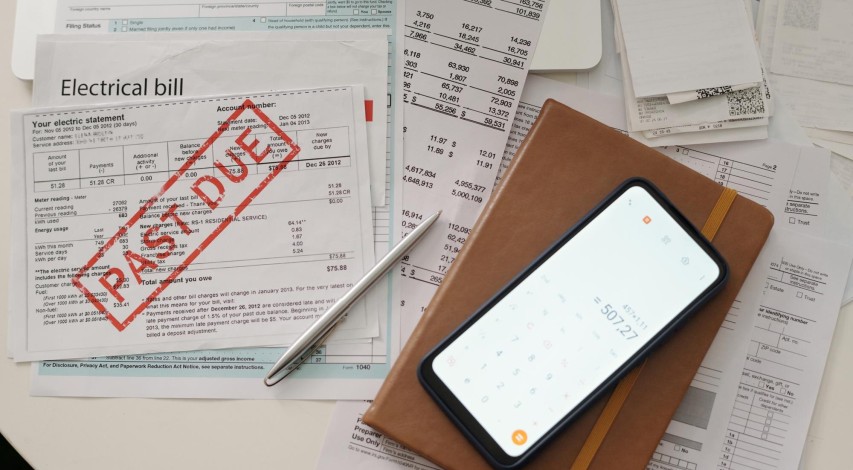
Each one of these shares the same basic problem - the customer trusted that what they approved is what they'd be charged. When that doesn't happen, a chargeback can become the most direct way to correct it. The issue is not bad faith on the cardholder's part; it's that the charge doesn't match the agreement.
Not every incorrect charge comes from intentional wrongdoing on the merchant side. Errors happen. But from a dispute-processing standpoint, the reason behind the discrepancy doesn't change the outcome for the merchant once a chargeback is filed. If you're looking for a way to respond formally, reviewing an incorrect transaction amount dispute template can help structure your case.
| Trigger | What Happened |
|---|---|
| Amount altered after approval | The final charge doesn't match what the cardholder authorized |
| Point-of-sale error | The wrong amount was processed due to a keying or system mistake |
| Unauthorized fees | Extra charges were added without the cardholder's knowledge or consent |
The 120-Day Window and Why Timing Matters
Visa gives cardholders up to 120 calendar days from the transaction processing date to file a 12.5 chargeback; it's the hard deadline and it doesn't move for anyone.
For merchants, the clock matters just as much. Once a chargeback lands, there's a limited window to respond with a rebuttal and supporting evidence. If that window closes without a response, the dispute resolves in the cardholder's favor automatically. No review, no second chance.
That's one of the more common ways merchants lose disputes they'd have won. The chargeback arrives, gets buried in an inbox or a queue, and the response deadline passes before anyone acts on it. The bank won't even remind you.

| Milestone | Timeframe | Who It Affects |
|---|---|---|
| Cardholder files dispute | Up to 120 days from processing date | Cardholder |
| Merchant receives chargeback notice | Shortly after bank reviews the claim | Merchant |
| Merchant response deadline | Typically 30 days from chargeback notice | Merchant |
| Dispute auto-resolved if no response | After merchant deadline passes | Merchant |
The 30-day merchant response window shown above is a general guideline and can vary depending on your bank - it's worth checking your processor's terms so you're not working from the wrong number.
It's also worth noting that the 120-day cardholder window starts from the processing date - not the date the transaction appeared on a statement or the date the cardholder spotted the discrepancy. A transaction processed in early January could trigger a chargeback as late as early May.
That gap can seem wide, and it means a merchant could face a dispute for a transaction that feels long settled. Keeping transaction records organized and accessible for at least six months makes it much easier to pull the right documentation faster when a chargeback does arrive.
Time is a factor on both sides of a 12.5 dispute, and merchants who respond promptly with good records are the ones who give themselves an actual shot at winning.
How Merchants Can Fight a 12.5 Chargeback
The burden of proof falls heavily on the merchant here. You need to show, with documentation, that the amount charged was what the cardholder agreed to pay.
The strongest evidence you can submit is a signed receipt that matches the disputed transaction amount. Authorization records are also helpful because they show what amount was approved at the time of the transaction. If you have an itemized transaction log that breaks down the charge, include that too. Any written communication where the cardholder confirmed or acknowledged the final amount is worth adding to your response package.
That last point matters more than you might know. An email confirmation, a signed order form, or a text exchange can be enough to change the outcome of a dispute in your favor. You want to build a paper trail that leaves no reasonable doubt about what the cardholder agreed to.
Disorganized recordkeeping is the actual reason most merchants lose these disputes. The charge may have been correct, but without the documents to prove it, the case falls apart. If your transaction records are scattered across different systems or not stored properly, you're going to have a hard time responding in time. Merchants who already struggle with disputes should also be aware of what happens when your chargeback ratio hits 1%, because repeated losses compound quickly.
A clean, well-organized response should include the following types of evidence.
| Evidence Type | Why It Helps |
|---|---|
| Signed receipt | Shows the cardholder approved the exact amount at the point of sale |
| Authorization record | Confirms what amount was submitted and approved by the card network |
| Itemized transaction log | Breaks down the charge so every line item is accounted for |
| Cardholder communication | Demonstrates the customer was informed of and agreed to the final amount |
When you submit your rebuttal, keep it factual and direct. Walk the reviewer through the evidence in a logical order and make it easy for them to connect each document to the disputed charge. A messy or hard-to-follow response can undermine even good evidence. If the situation is harder to categorize, a cardholder dispute not elsewhere classified template may also be relevant depending on how the bank codes the claim.
Good recordkeeping systems, in place before a dispute happens, actually make the difference when the time comes to respond.
Common Mistakes That Lead to 12.5 Chargebacks
Most 12.5 chargebacks don't come from bad intentions - they come from small, preventable gaps in how a business runs day to day. The tough part is that these gaps can go unnoticed for months before a chargeback finally surfaces.
POS software is one of the biggest culprits. Outdated systems or misconfigured settings can charge the wrong amount without anyone at the register realizing it. A price update that didn't save correctly, a tax setting that doubled up, or a discount that stopped applying - these are the types of quiet errors that add up over time.
Staff training is another area worth a hard look. Manual entry mistakes happen when employees are rushed or undertrained, and even a transposed digit can turn a $36 charge into a $63 one. Restaurants see this version with tip adjustments; the final settled amount doesn't match what the customer approved on their receipt.
Receipts themselves can be a problem too. If the receipt a customer receives is hard to read, missing line items, or doesn't match the amount that posts to their card, that uncertainty is usually what pushes them to file a dispute. How your credit card descriptor affects chargebacks is a related factor - when posted charges look unfamiliar, disputes follow.
The most common patterns are worth learning about:
| Mistake | How It Happens |
|---|---|
| POS pricing errors | Price changes or tax settings not updated correctly in the system |
| Manual entry mistakes | Staff entering amounts by hand and miskeying a digit |
| Tip adjustment errors | Final settlement amount doesn't match the signed receipt |
| Duplicate charges | A transaction processed twice due to a system or connection glitch |
| Unclear receipts | Customers can't verify what they were charged for |
It's worth asking if any of these are happening in your own operation right now. A quick audit of your POS settings, a review of how tip adjustments are handled, and a look at what your receipts actually show the customer can go a long way toward stopping these disputes before they start.
Keeping the Amount Right the First Time
Winning a 12.5 chargeback is going to need more than intentions. Merchants need timestamped evidence that the amount charged matched the amount the cardholder authorized - signed receipts, order confirmations, authorization records, and any relevant communications. If you don't have that paper trail, even a legitimate transaction can become indefensible.

The most helpful move is a proactive one. Take a close look at your latest checkout flow, tipping prompts, discount logic, and any manual override processes your staff uses. Small misalignments in these areas are usually the source of repeated 12.5 disputes. A quick internal audit now - before disputes pile up - is far less expensive than fighting chargebacks one by one later. The right amount at the point of sale is the simplest protection available, and it's well within your control.
FAQs
What is Visa chargeback reason code 12.5?
Visa chargeback reason code 12.5 protects cardholders when the amount charged doesn't match what they originally authorized at the time of purchase.
What triggers a 12.5 Incorrect Amount chargeback?
A 12.5 chargeback is triggered by an altered transaction amount after approval, a point-of-sale processing error, or unauthorized fees added without the cardholder's knowledge.
How long do cardholders have to file a 12.5 dispute?
Cardholders have up to 120 calendar days from the transaction processing date to file a 12.5 chargeback with Visa.
What evidence helps merchants fight a 12.5 chargeback?
Merchants should submit signed receipts, authorization records, itemized transaction logs, and any cardholder communications confirming the agreed-upon amount.
How can merchants prevent 12.5 chargebacks?
Merchants can prevent 12.5 chargebacks by auditing POS settings, training staff on manual entry, ensuring accurate tip adjustments, and providing clear, itemized receipts to customers.