 Call (844) NO-DISPUTES

13.4: Counterfeit Merchandise
Counterfeiting is a massive and growing problem. According to the OECD, counterfeit and pirated goods accounted for an estimated $467 billion - roughly 2.3% of worldwide imports - as of 2021. To put that growth in perspective, international counterfeit trade stood at around $200 billion in 2005, climbed to $509 billion by 2016, and U.S. Customs and Border Protection (CBP) recorded a ten-fold increase in domestic border seizures between 2000 and 2018. The problem isn't slowing down.
The reach of counterfeiting extends well beyond knockoff handbags and bootleg sneakers. Clothing, footwear, and leather goods account for the largest share - around 62% of seized counterfeit goods according to the OECD - but fake products also infiltrate electronics, pharmaceuticals, auto parts, and children's toys. The consequences range from significant financial losses for legitimate businesses to genuine safety dangers for unsuspecting consumers.
Much of this activity traces back to a concentrated source. In Fiscal Year 2024, nearly 90% of all CBP intellectual property rights seizures originated from China and Hong Kong. Distribution has also shifted dramatically toward e-commerce and postal channels, with a 2025 OECD/EUIPO report finding that roughly 65% of counterfeit seizures now happen through small parcel and mail shipments - making detection considerably harder than it once was at traditional ports of entry.
Understanding how counterfeit merchandise operates - where it comes from, how it's distributed, and what makes it so hard to combat - matters for anyone working in retail, e-commerce, supply chain management, payments, or consumer protection. This post breaks down the mechanics of the counterfeit goods trade, including how it connects to chargeback reason code 13.4: Counterfeit Merchandise and what the legal and regulatory frameworks look like for those trying to fight back.
Key Takeaways
- Counterfeit goods reached $467 billion (2.3% of global imports) in 2021, growing dramatically from $200 billion in 2005.
- Nearly 90% of U.S. Customs seizures originated from China and Hong Kong, with 65% arriving via small parcels and mail.
- Clothing, footwear, and leather goods dominate counterfeit seizures at 62%; electronics and pharmaceuticals pose serious safety dangers.
- U.S. law imposes severe penalties for counterfeit trafficking: fines up to $2 million and up to 10 years in federal prison.
- Consumers can reduce risk by buying from authorized retailers, checking seller reviews, and questioning suspiciously low prices.
How Counterfeit Goods Move Through the Global Supply Chain
Most counterfeit goods start in large manufacturing hubs, get packed into shipping containers or small parcels, and then work their way through a chain of middlemen before landing on a doorstep. The scale of it is hard to picture. The OECD estimates counterfeit and pirated goods accounted for $467 billion, or 2.3% of worldwide imports in 2021 alone. That number has been climbing for decades, up from $200 billion in 2005.
China and Hong Kong together accounted for nearly 90% of all U.S. Customs and Border Protection intellectual property rights seizures in Fiscal Year 2024. Other countries like Turkey, Singapore, and the UAE also play a role as transit points; goods get repackaged or relabeled before moving further along the chain.
Around 65% of all seizures involve small parcels and mail, which is what matters most to customs agencies. That shift away from large shipping containers has made enforcement much harder. A single container full of fake sneakers is pretty easy to flag and inspect. Thousands of individual envelopes, each holding one item, are a very different problem.
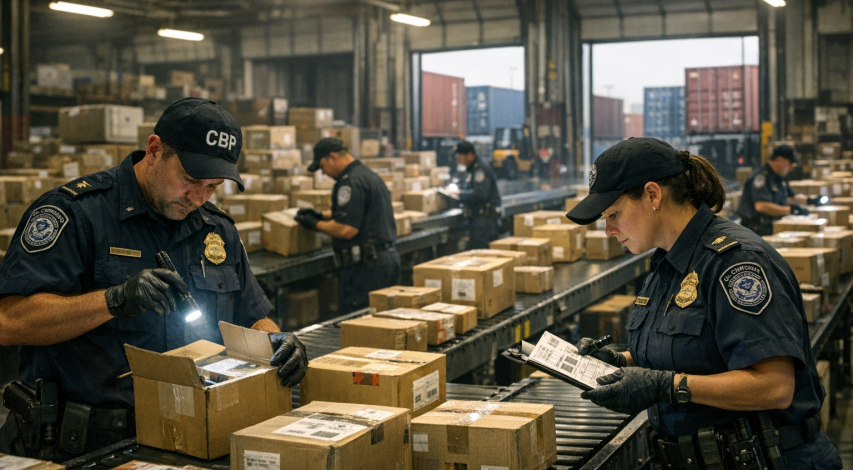
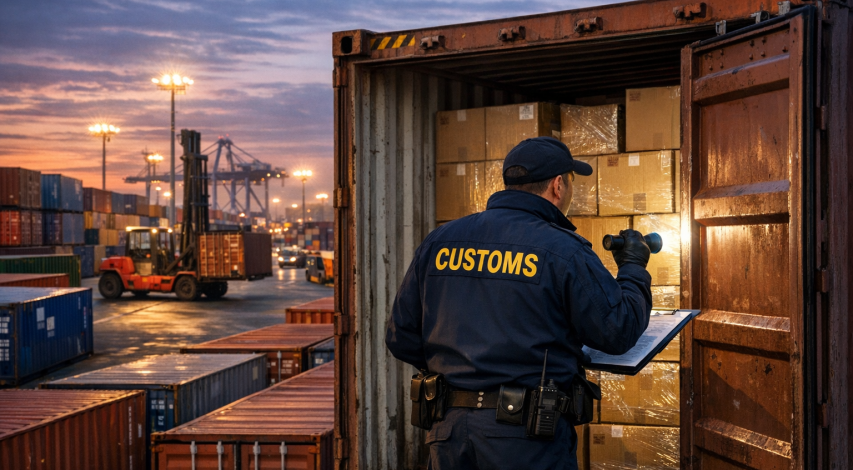
E-commerce made this possible on a massive scale. A seller can list a counterfeit product online, take an order from a consumer in another country, and ship it directly in a small package that looks like any online purchase. Clothing, footwear, and leather goods are especially common targets, making up 62% of seized counterfeit goods in 2020-2021 according to the OECD. Customs agencies process enormous volumes of parcels every day and simply don't have the capacity to open and inspect each one.
To make things harder, counterfeit shipments frequently use false declarations. A package might list its contents as "toy parts" or "gift items" with a low stated value to reduce scrutiny. By the time an agency flags something as suspicious, the shipment may already be in local delivery.
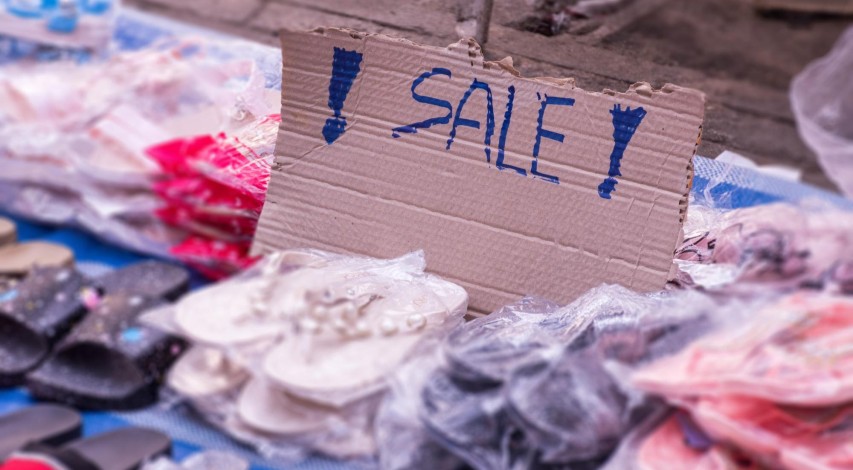
Once the goods clear customs, distribution can go a few directions. Some end up on online marketplaces. Others move through informal retail networks, street markets, or legitimate-looking storefronts. The product can pass through multiple hands between the factory floor and the end buyer, and each step makes the origin harder to trace. For those caught trafficking counterfeit goods, the consequences are severe - U.S. Customs and Border Protection notes that criminal penalties can include fines of as high as $2 million, 10 years in prison, or both.
The Industries Hit Hardest by Fake Products
Some product categories draw counterfeiters far more than others. The higher the brand value and the harder the product is to authenticate at a glance, the more interesting it can become to fake.
Fashion and footwear top the list by a wide margin. The OECD reports that clothing, footwear, and leather goods alone accounted for roughly 62% of seized counterfeit goods in 2020-2021. Luxury handbags and watches are obvious targets, but sportswear and fast fashion get copied just as heavily because the volume attainable is giant.
Electronics are another category - and a more dangerous one. Fake chargers, batteries and cables routinely fail safety standards and have caused fires and electrocution deaths. Counterfeit semiconductors also make their way into supply chains for industrial and even military equipment, which raises the stakes well past lost revenue.
Then there's pharmaceuticals. Most consumers would never know if the medication they bought was counterfeit. The World Health Organization estimates that roughly 10% of medicines in low- and middle-income countries are either fake or substandard. Counterfeit antibiotics, antimalarials and cancer treatments don't waste money - they cause direct physical harm. Merchants selling supplements or wellness products find themselves classified as high risk even when their products are entirely legitimate.
| Industry | Common Fake Products | Estimated Share of Seizures |
|---|---|---|
| Fashion, Footwear & Leather | Handbags, shoes, apparel | ~62% |
| Electronics | Chargers, batteries, components | ~15% |
| Pharmaceuticals | Medicines, supplements | ~11% |
| Perfumes & Cosmetics | Fragrances, skincare products | ~9% |
| Watches & Jewelry | Luxury timepieces, accessories | ~7% |
Cosmetics and perfumes round out the top tier, with counterfeit versions sometimes containing harmful substances like arsenic, mercury, and other toxic compounds identified by trading standards agencies. Businesses in these categories frequently work with elevated chargeback rates under reason codes like Visa's 13.4, and places like Shopify may take action if disputes climb too high.
Worth noting is where the bulk of these fakes originate. Nearly 90% of all U.S. Customs and Border Protection intellectual property seizures in Fiscal Year 2024 came from China and Hong Kong. And the delivery strategy has shifted dramatically - a 2025 OECD/EUIPO report found that around 65% of counterfeit seizures now occur through small parcel and mail channels, a direct consequence of the boom in cross-border e-commerce. That change matters enormously for online merchants, because it means counterfeit goods are increasingly landing in the same checkout flows and logistics networks that legitimate businesses use. Merchants who never respond to resulting disputes can find themselves facing serious consequences with their payment processors.
These industries share one thing: their consumers trust the label.
The Real Cost to Economies, Workers, and Tax Revenue
The damage from counterfeit goods goes well past the businesses that lose sales. According to the OECD, counterfeit and pirated goods accounted for an estimated $467 billion - roughly 2.3% of all worldwide imports in 2021 alone. To put that growth in context, the OECD also documented a 154% increase in internationally traded counterfeits between 2005 and 2016, rising from $200 billion to $509 billion. The trajectory has not reversed.
U.S. Customs and Border Protection data tells a similar story at the border level. CBP recorded a ten-fold increase in intellectual property rights seizures between 2000 and 2018, and in Fiscal Year 2024, nearly 90% of all CBP IP seizures were traced back to China and Hong Kong. A growing share of the shipments are arriving through small parcels and mail channels - the OECD/EUIPO 2025 report found that roughly 65% of counterfeit seizures now happen through those routes, a direct result of the growth in cross-border e-commerce.
| Economic Impact Area | Estimated Figure |
|---|---|
| Global counterfeit imports (OECD, 2021) | $467 billion (2.3% of global imports) |
| Growth in counterfeit trade (2005-2016) | +154% ($200B to $509B) |
| Share of CBP seizures from China and Hong Kong (FY2024) | Nearly 90% |
| Counterfeit seizures via mail and small parcels (2025) | ~65% of all seizures |
| Share of seized goods: clothing, footwear, leather (2020-2021) | 62% |
Clothing, footwear, and leather goods remain the single largest product category affected - accounting for 62% of all seized counterfeit goods in 2020-2021 per the OECD. These are not niche luxury items but mass consumer categories, which means the workers hurt by this trade are spread across factories, warehouses, and retail floors in communities that depend on legitimate manufacturing for their livelihoods.

The tax revenue piece is easy to forget but carries actual weight. Counterfeit sellers don't collect or remit sales tax, so every transaction they complete is a withdrawal from the public resources - schools, roads, healthcare - that everyone else funds and relies on. At the scale the OECD is measuring, that gap is not trivial.
For sellers facing a chargeback under reason code 13.4, this wider context matters. Counterfeit merchandise disputes don't exist in a vacuum. They sit inside a widespread enforcement environment that includes CBP seizures, OECD monitoring, and criminal penalties that can reach $2 million in fines and as high as 10 years in federal prison under U.S. law. The industries covered elsewhere in this post each carry a share of this wider damage - and when you add them together, the picture is very hard to dismiss as a niche or minor problem.
Laws and Enforcement Tactics Used Against Counterfeiters
Governments have actual legal tools to fight counterfeiting, and the scale of the problem has made enforcement a priority across multiple agencies and jurisdictions. In the United States, the Lanham Act gives trademark owners the right to take counterfeiters to court and seek financial damages. The Trademark Counterfeiting Act of 1984 went further by making counterfeiting a federal crime. Criminal penalties for trafficking counterfeit goods can include fines as high as $2 million, 10 years in prison, or both.
Customs agencies are another important line of defense. U.S. Customs and Border Protection can seize shipments at the border when goods are suspected to be fake. According to CBP data, seizures increased ten-fold between 2000 and 2018, reflecting the growth of the problem and improvements in detection. In Fiscal Year 2024, nearly 90% of all CBP intellectual property rights seizures originated from China and Hong Kong. That concentration makes geographic targeting possible, but it has not meaningfully slowed the volume of counterfeits entering the country.
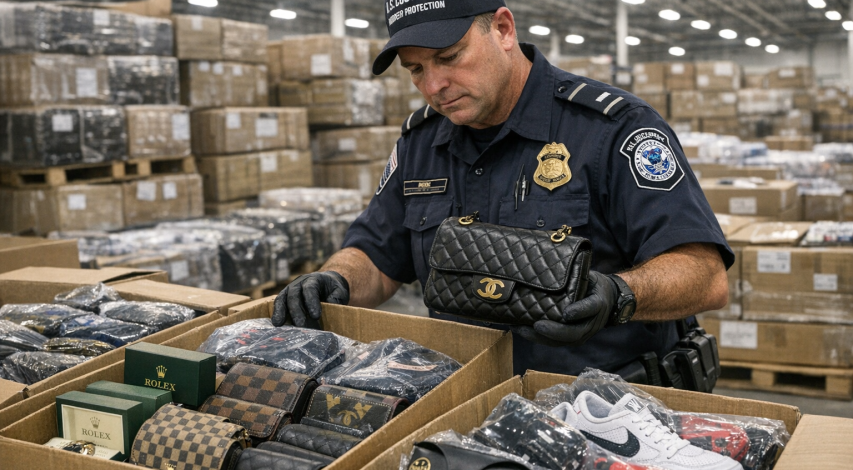
The categories most seized tell their own story. Clothing, footwear, and leather goods accounted for 62% of seized counterfeit goods in 2020-2021, according to the OECD. These are high-margin categories where brand recognition drives perceived value, which is what makes them attractive targets for counterfeiters and a recurring source of chargeback reason code 13.4 disputes for merchants selling in those spaces.
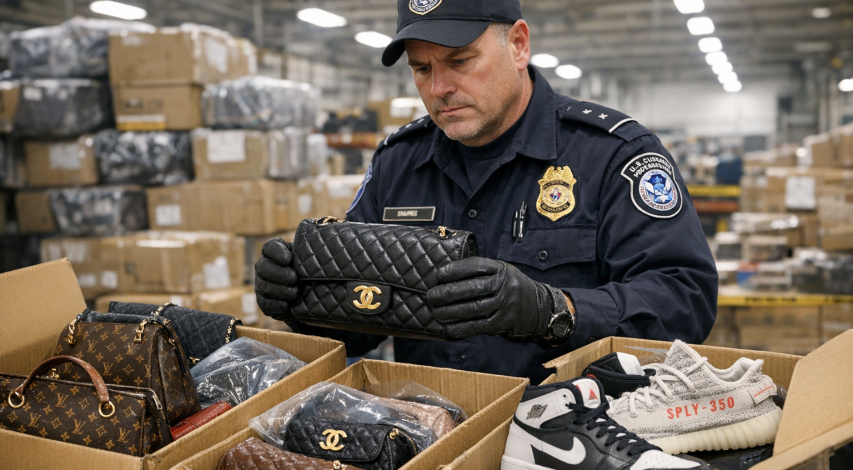
Internationally, organizations like Interpol and the World Customs Organization run coordinated operations to disrupt cross-border counterfeiting networks. Operation Pangea targets counterfeit medicines, while Operation Opson focuses on fake food and drink. These operations have resulted in thousands of arrests and seizures across dozens of countries, but the underlying networks tend to rebuild quickly. The OECD estimated that in 2021 alone, counterfeit and pirated goods accounted for approximately $467 billion, or 2.3% of global imports. That figure speaks to how embedded the trade has become in worldwide supply chains. Merchants who see repeated disputes in these categories should understand what happens when chargeback ratios climb too high.
The legal framework also includes international trade agreements like TRIPS, which stands for Trade-Related Aspects of Intellectual Property Rights. TRIPS sets a baseline for how World Trade Organization member countries manage intellectual property protection, but enforcement varies considerably from one country to the next.
E-commerce has made the enforcement picture considerably more difficult. A 2025 OECD/EUIPO report found that approximately 65% of counterfeit seizures now happen through small parcel and mail channels, a direct reflection of how online shopping has shifted where and how fake goods move. When counterfeit items travel through online marketplaces, they can cross multiple legal jurisdictions in a single transaction. Enforcement agencies can shut down a seller account in one country, and a nearly identical storefront can appear somewhere else within days. The legal tools available to investigators were largely designed for physical goods moving through physical borders, and the law has been slow to adapt to online commerce at scale.
How Buyers Accidentally Support the Counterfeit Market
Most who buy counterfeit goods are not trying to hurt anyone. Some know what they're buying, but plenty of shoppers get deceived by listings that look legitimate. Online marketplaces have made it much harder to tell the difference between an authentic product and a fake one - and the scale of the problem goes well beyond that. According to the OECD, counterfeit and pirated goods accounted for an estimated $467 billion, or 2.3% of worldwide imports, in 2021 alone.
Price is a big part of this. When someone sees a designer bag or a pair of name-brand sneakers listed at a steep discount, the deal feels like a win. That price gap is actually one of the clearest signs that something is off, but it doesn't always register that way in the moment. Clothing, footwear, and leather goods make up the bulk of the problem - accounting for 62% of seized counterfeit goods in 2020-2021 per the OECD - which means these are the categories where buyers are most likely to see fakes.
Misleading product photos, borrowed brand logos, and vague seller descriptions are all tactics used to make fakes look legitimate. Some listings even use the brand's own marketing images without permission. A shopper who buys something in good faith and receives a cheap knockoff is a victim too - not just a contributor. It's worth mentioning that 65% of counterfeit seizures now happen through small parcel and mail channels, according to the OECD/EUIPO 2025 report, which means a large portion of these products are arriving directly at consumers' doors through shipping.
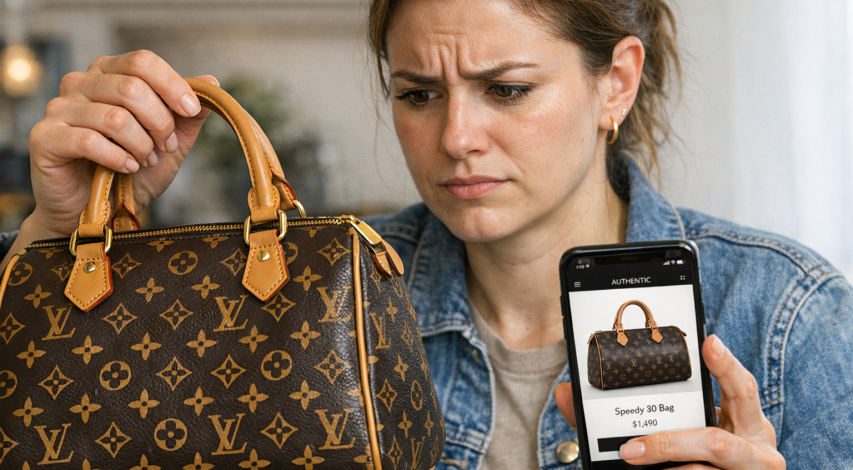
That said, there's a difference between being deceived and knowingly buying a fake. Some buyers actively seek out counterfeits because they want the look of a luxury product without the price; it's where the ethical line gets complicated, and it connects directly to the economic damage that counterfeit trade causes to legitimate businesses and workers. Nearly 90% of all U.S. Customs and Border Protection intellectual property rights seizures in Fiscal Year 2024 came from China and Hong Kong, reflecting just how organized and large-scale these supply chains have become.
Buying fakes still feeds the same networks that cause that harm. The purchase feels personal and small, but the demand it creates is part of a much bigger pattern. In some cases, a family member may make a purchase without the account holder knowing, which can cause a friendly fraud dispute when the charge gets flagged.
There are red flags worth learning about. Prices that seem too good to be true, sellers with little to no review history, product descriptions that are vague about materials or origin, and storefronts that only launched recently are all worth a second look. A reverse image search can also show if a product photo appears across dozens of unrelated listings. When a charge does appear unfamiliar, what shows up on your statement - like soft vs hard credit card descriptors - can help explain if a transaction is legitimate.
Consumer behavior is one of the few parts of this problem that does not need a law to change it. The counterfeit market has grown more than 150% in international trade volume since 2005, and individual purchasing decisions remain one of the most direct levers available to slow that growth.
Spotting Fakes and Shopping Smarter Going Forward
A little skepticism goes a long way. Keep these helpful habits in mind:
- Stick to authorized retailers whenever possible, especially for electronics, medications, and luxury goods.
- Check seller ratings and reviews carefully on marketplace platforms - patterns of vague feedback or unusually short account histories are common red flags.
- Be extra cautious with small parcel and mail purchases - according to the OECD/EUIPO, about 65% of counterfeit seizures now occur through these channels, meaning online orders from unfamiliar overseas sellers carry real risk.
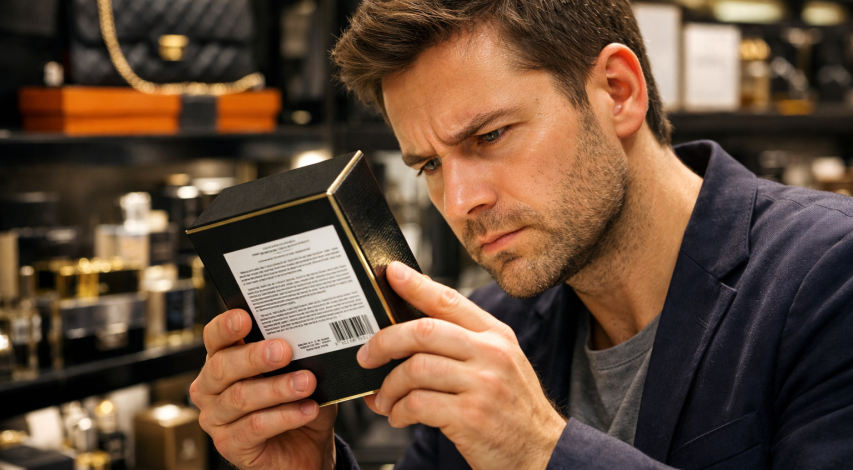
- Inspect packaging and labeling for misspellings, uneven printing, or missing certification marks that the genuine product would normally carry - particularly with clothing, footwear, and leather goods, which accounted for 62% of seized counterfeits in a recent OECD report.
- Question prices that seem too good to be true - a steep discount on a brand-name item from an unfamiliar source, especially one shipping from China or Hong Kong, often signals a fake. Nearly 90% of all U.S. Customs and Border Protection intellectual property seizures in Fiscal Year 2024 originated from those two locations.
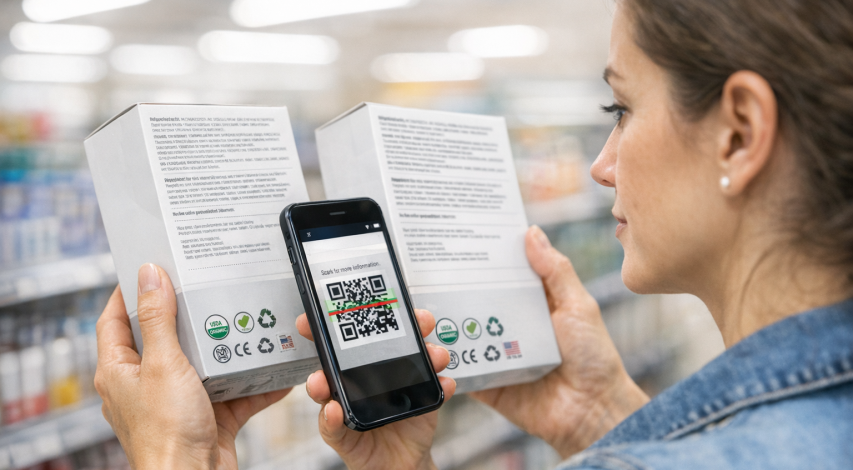
- Download brand authentication apps or scan QR codes where available, since many manufacturers now offer quick verification tools - similar to how services like Token Authentication Service work in payment security.
None of this needs to make you a suspicious or joyless shopper - it means pausing for a bit before clicking buy. The counterfeit goods market is not a small problem: the OECD estimated it at $467 billion, or 2.3% of worldwide imports, as of 2021, and the trajectory has been sharply upward for decades. The choices you make as a consumer - where you spend, who you trust, and what you report when something seems off - ripple outward in ways that are easy to underestimate. When disputes do come up, options like chargeback representment and the Visa reason code 13.4 chargeback for counterfeit merchandise help you recover your money. In a problem this large, every well-educated buy is a real act.
FAQs
What are counterfeit goods and how big is the problem?
Counterfeit goods are fake products sold as genuine branded items. The OECD estimated counterfeit and pirated goods reached $467 billion, or 2.3% of worldwide imports, in 2021 - up dramatically from $200 billion in 2005.
Which countries produce the most counterfeit goods?
Nearly 90% of all U.S. Customs and Border Protection intellectual property seizures in Fiscal Year 2024 originated from China and Hong Kong.
Which product categories are most commonly counterfeited?
Clothing, footwear, and leather goods account for roughly 62% of seized counterfeit goods. Electronics, pharmaceuticals, cosmetics, and luxury watches are also heavily targeted categories.
How do counterfeit goods typically reach consumers today?
Around 65% of counterfeit seizures now occur through small parcel and mail shipments, driven by the growth of cross-border e-commerce, making detection significantly harder for customs agencies.
How can shoppers avoid accidentally buying counterfeit products?
Buy from authorized retailers, check seller reviews carefully, inspect packaging for errors, and question suspiciously low prices - especially from unfamiliar overseas sellers.