 Call (844) NO-DISPUTES

A01: Charge Amount Exceeds Authorization
A01 is an American Express chargeback reason code that gets triggered when a cardholder is billed for more than the amount they authorized - it sounds simple, but the situations that cause it are more varied - and common - than most merchants would like to admit. An honest billing error, a system glitch, an added fee that wasn't disclosed: any of these can land a transaction in disputed territory.
If you're a merchant who just received an A01 chargeback, you're probably looking for answers fast. If you're trying to get ahead of the problem before it happens, that's even better. And if you're a cardholder who thinks you were overcharged, this reason code explains where you stand.
I'll break down what A01 actually means, what causes it, how merchants can respond - and most importantly - how to avoid it from showing up. Whether you're in damage control mode or just doing your homework, you're in the right place.
What the A01 Reason Code Actually Means
A01 is an American Express reason code that falls under the Authorization category - it gets filed when a cardholder is billed for more than the amount that was approved at the time of the transaction.
Authorization is the part of a card transaction where the bank confirms that the card is valid and agrees to hold a set amount of funds for the merchant. That agreed amount is the ceiling. When the final charge goes through at a higher number compared to what was authorized, that agreement has technically been broken.
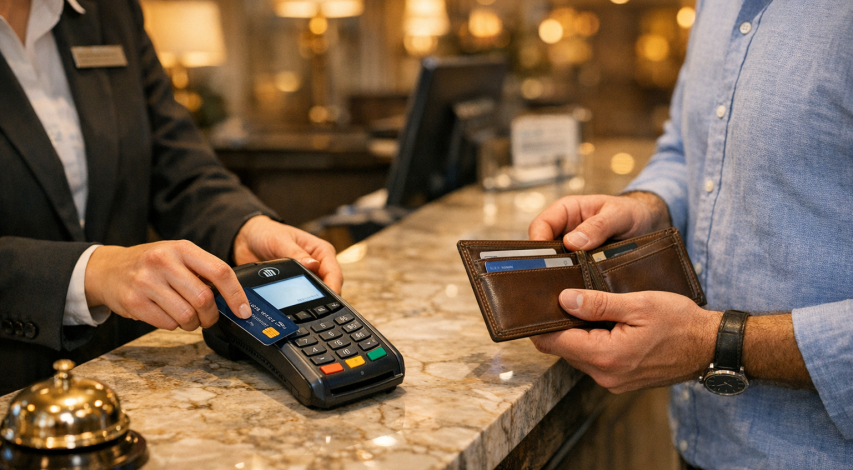
An easy example makes this easier to follow. Say a cardholder checks into a hotel and the front desk authorizes $200 to cover the room rate. If the final bill comes to $340 because of fees added at checkout, the charge has gone past what the cardholder's bank signed off on. That difference between the authorized amount and the billed amount is what A01 was built to flag. Cases like this often start as a pre-authorization hold dispute before escalating further.
The legal foundation behind this sits in the Fair Credit Billing Act of 1974. That law gives cardholders the right to dispute charges that don't match what they agreed to pay - it's the reason card networks like Amex can hold merchants accountable when a billed amount doesn't line up with the original authorization. Cardholders also have a limited dispute window during which they can raise these concerns.
A01 is not about fraud and it's not about a cardholder denying that a purchase happened. The transaction itself isn't in question. What's in question is the amount - and specifically if that amount was ever authorized.
Amex operates its own closed-loop network, which means it acts as the card issuer and the payment network. That setup gives Amex more direct control over how disputes get handled compared to Visa or Mastercard, and it's part of why Amex reason codes like A01 follow their own classification system instead of the standard chargeback codes used elsewhere. This is also shaped by the card network rules each payment brand enforces independently.
A01 at this level matters because the entire dispute process that follows is built around one main question: did the merchant have authorization to charge that amount? Everything else in how these cases get evaluated flows from that question.
When the 15% Rule Triggers a Dispute
Most industries need to charge what was authorized, but a few get a little more flexibility. Cruise lines, hotels and vehicle rental businesses are allowed to charge as high as 15% more than the original authorization without triggering an A01 dispute - this exception exists because those businesses add fees after the first booking - things like port taxes, room service, or fuel charges that aren't known at the time of check-in.
That 15% buffer is not a general grace period for all merchants - it only applies to those three categories, and card networks have defined this quite exactly. If you run a restaurant or an e-commerce store, the standard rule still applies and any charge above the authorized amount is fair game for a dispute.

The threshold itself is calculated from the original authorized amount. So if a hotel authorizes $200, a final charge of as high as $230 stays inside the allowed range. At $231 or past, the cardholder's bank can file an A01 chargeback.
Here is an easy look at how that plays out in practice across a few different amounts:
| Authorized Amount | 15% Threshold | Charged Amount | Dispute Risk |
|---|---|---|---|
| $100 | $115 | $112 | No |
| $100 | $115 | $118 | Yes |
| $500 | $575 | $560 | No |
| $500 | $575 | $590 | Yes |
| $1,200 | $1,380 | $1,375 | No |
| $1,200 | $1,380 | $1,410 | Yes |
Even within the eligible industries, merchants can't treat the 15% allowance as a free pass to add charges without reason. The extra amount still needs to correspond with legitimate incidental costs from the transaction. A hotel that pads a bill past what the guest actually spent can still face a dispute even if the total lands under the threshold.
How Merchants End Up on the Wrong Side of A01
Most A01 disputes don't come from merchants trying to overcharge anyone. They come from small process breakdowns that no one saw until a cardholder called their bank.
One of the most common causes is a tip adjustment in restaurants and bars. A customer authorizes a base amount, then can add a tip on paper after the fact. When the final charge gets submitted, it can push the total past the allowed threshold - and the merchant has no extra authorization to cover it. This happens dozens of times a day in high-volume venues and the staff processing those tickets usually have no idea there's a problem.
Manual entry errors are another common cause. When someone types a charge amount by hand, a misplaced digit can send a $120 transaction through as $1,200. The authorization on file doesn't cover that amount and the cardholder is within their rights to dispute it. Payment systems with no automated checks make this error much easier to miss.
Post-authorization add-ons are a big one too. Hotels, car rental companies and similar businesses sometimes add charges for things like incidentals, fuel, or late fees after the original authorization has already been captured. If that extra amount takes the total past the permitted range and no new authorization was obtained, the merchant is exposed. These industries see a disproportionate share of A01 chargebacks for this reason.

Software and integration problems also create A01 disputes without any human error involved at all. A sync issue between a point-of-sale system and a payment gateway can cause the wrong amount to get submitted, or an update can quietly change how totals are calculated. Merchants running older or patched-together systems see more of these.
| Merchant Type | Common A01 Trigger |
|---|---|
| Restaurants and bars | Tip added after authorization |
| Hotels | Incidental or damage fees added post-stay |
| Car rental companies | Fuel charges or late fees added after return |
| Any manual-entry business | Keying errors that inflate the transaction total |
The pattern here is that the difference between what was authorized and what was charged tends to open up at the edges of a transaction - when something is added, adjusted, or entered by hand after the main approval is done.
The 20-Day Window and What Merchants Need to Do
When an A01 chargeback lands, the clock starts instantly. Most card networks give merchants 20 days to respond, and this is a firm deadline. Miss it, and the dispute is usually closed in the cardholder's favor without any review of your case.
The good news is that 20 days is enough time to build a good response - but only if you move fast and know what to pull together.
What to Gather Before You Respond
Your response needs to show that the amount charged was authorized. That means documentation - not just a description of what happened. Let's talk about what you'll want to have on hand.
- The original authorization record showing the approved amount
- The transaction receipt or confirmation sent to the cardholder
- Any signed agreement or terms the cardholder accepted at checkout
- Communication that shows the cardholder was informed of the final charge
- Any records of prior contact between you and the cardholder about this transaction
If the charge was higher because of a tip, a delayed capture, or a split transaction, then you'll want documentation that explains why. Card networks want to see a paper trail that connects the dots between what was authorized and what was charged.
Writing Your Rebuttal
A rebuttal letter ties your documents together - it doesn't need to be long, but it does need to be direct. Walk through what happened, break it down, reference each piece of evidence, and explain why the charge was valid.

Be honest with yourself here - if the charge legitimately exceeded the authorization without a reason, that's a harder case to win. A chargeback takes actual effort and organization to fight, and submitting weak evidence can waste everyone's time.
If your documentation is strong, a well-organized response does give you an actual shot. Processors and acquirers pass your rebuttal to the card network for review, so clarity and completeness matter more than length.
The merchants who do best with A01 disputes are the ones who keep clean records from the start of every transaction - not because chargebacks are common, but because when one does arrive, the work is mostly already done.
Keeping Your Charges Clean and Your Disputes Low
If you want to get ahead of the problem, a few proactive steps are worth building into your operations now:
- Audit your authorization workflow. Trace a transaction from the initial auth request to the final settlement amount and look for any gaps where overcharges can slip through undetected.
- Train staff on post-authorization charges. Anyone who handles final billing - front desk staff, rental agents, service teams - should understand what can and cannot be added after the original authorization without re-authorizing the card.
- Document estimated charges clearly. Make sure customers see and acknowledge the estimated total at the time of authorization, especially for variable-amount transactions like hotel stays or security deposits.
- Set internal alerts for settlement variances. If your payment platform supports it, flag any settlement amount that significantly exceeds the original authorization so your team can review it before it becomes a dispute.
Most A01 chargebacks don't come from bad intent - they come from gaps in process, vague communication, or staff who weren't trained on the laws around post-auth adjustments. A small investment of attention upfront, the kind that takes an afternoon, can save you from disputes that take weeks to fight and fees that cut directly into your margin. If your business uses recurring billing, it's worth reviewing those flows separately, since recurring transaction disputes follow their own rules and can compound quickly if not caught early.
FAQs
What is the A01 American Express chargeback reason code?
A01 is triggered when a cardholder is billed more than the amount their bank originally authorized. It falls under Amex's Authorization category and focuses solely on whether the merchant had approval to charge the final amount.
Which industries get a 15% authorization overage allowance?
Hotels, cruise lines, and vehicle rental companies can charge up to 15% above the original authorization without triggering an A01 dispute. This exception exists because these businesses often add legitimate fees after the initial booking.
What are the most common causes of A01 chargebacks?
Common triggers include tip adjustments in restaurants, post-stay hotel fees, car rental add-ons, manual entry errors, and software sync issues between payment systems. Most occur at the edges of a transaction, not from intentional overcharging.
How long do merchants have to respond to an A01 chargeback?
Merchants typically have 20 days to respond. Missing this deadline usually results in the dispute being automatically resolved in the cardholder's favor, regardless of whether the charge was legitimate.
How can merchants prevent A01 chargebacks from occurring?
Merchants should audit authorization workflows, train staff on post-authorization billing rules, clearly disclose estimated charges upfront, and set internal alerts for settlement amounts that significantly exceed the original authorization.