 Call (844) NO-DISPUTES

12.6: Duplicate Processing/Paid by Other Means
I'll walk through the helpful steps for tackling claims that have been submitted more than once or that were already satisfied through another payment source. Whether you're dealing with an accidental resubmission or a claim covered by a secondary payer, workers' compensation, or a patient's out-of-pocket payment, the process for resolving each scenario follows a set of rules.
Getting these adjustments right the first time protects your organization from overpayment recovery efforts and keeps accounts moving cleanly through the system. The sections ahead break down what to look for and how to respond.
What Visa Reason Code 12.6 Actually Covers
Reason Code 12.6 is Visa's way of flagging a transaction that a cardholder says they already paid for through another means. That could mean the merchant charged the card twice, or that the customer paid with a different method - like cash or a gift card - and then got charged on their card as well.
There are two situations that fall under this code. The first is a duplicate transaction; the same purchase was processed more than once on the same card. The second is a "paid by other means" scenario; the cardholder used a different payment method and the card was charged on top of that.
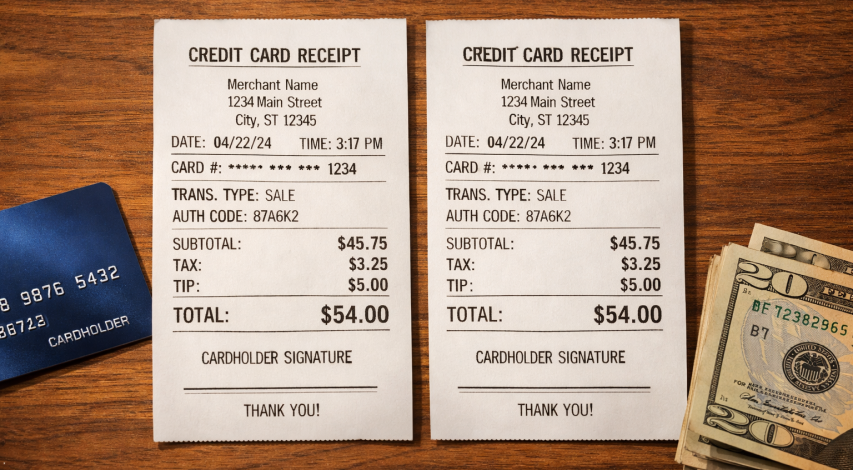
These two situations look different on paper but they cause the same outcome - the cardholder paid twice for one thing.
Visa splits this into sub-categories internally, but from a chargeback management perspective they are handled in a similar way. The evidence needed to fight a duplicate charge looks quite a bit like the evidence needed to fight a paid-by-other-means claim. Both come down to proving that only one valid transaction took place. That it was authorized correctly.
The Timelines Merchants Need to Know

I notice the writer's notes say "50-100 word writer instructions for this section" but no actual instructions were provided - just the placeholder text. I also see the "next section" label repeats the same heading as this section ("The Timelines Merchants Need to Know"), which appears to be a template error.
Could you share the actual writer's notes for this section? That way I can write accurate, relevant content about the timelines merchants need to know for Visa Claims Resolution disputes under Reason Code 12.6.
Common Scenarios That Trigger a 12.6 Chargeback
A 12.6 chargeback can come from a few different situations, and knowing which one you're dealing with changes how you respond. The two main reasons are a genuine duplicate charge and a payment that was already handled through another channel.
The duplicate charge scenario is simple. A customer pays once, but the transaction posts twice - sometimes because of a processing glitch, sometimes because staff ran the card again after a timeout error. The cardholder sees two identical charges and disputes one of them.
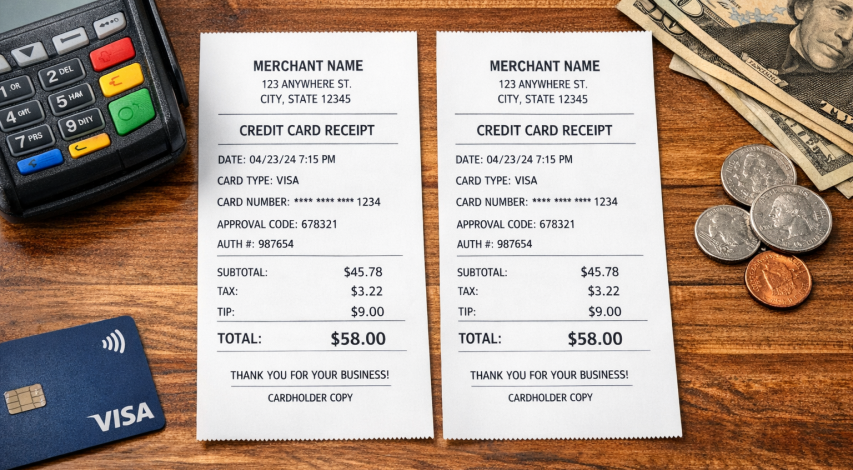
The "paid by other means" side is a little different. This happens when a customer pays for the same transaction using a second payment method. Think about a situation where a customer pays cash after a card transaction already went through, or uses a gift card to cover a purchase that was also charged to their credit card. The cardholder ends up paying twice for one thing.
Recurring billing is another place where it can happen. If a subscription is cancelled but a charge still goes through the following month, that can land in 12.6 territory too. It can also show up when a credit or reversal was issued but the original charge wasn't cancelled in time.
Evidence That Actually Holds Up in a 12.6 Dispute
Winning a 12.6 chargeback can depend on documentation that proves only one transaction went through. The strongest piece of evidence is a transaction log showing a single successful authorization with a transaction ID.
If the original charge failed before a second attempt succeeded, pull your payment gateway records to show that sequence. A timestamp difference between a declined attempt and an approved one tells the story without any ambiguity.
For cases where two charges appear but only one was a legitimate sale, a refund receipt for the duplicate works pretty well. Attach it to your response so the bank can see you already resolved it on your end. Keep in mind that issuing a refund after a partial refund has already been processed can affect how the dispute is evaluated.
Delivery confirmation or fulfillment records help too. If you can show that only one order was shipped or one service was activated, it supports the argument that only one transaction was actual.
| Evidence Type | What It Proves |
|---|---|
| Transaction logs with unique IDs | Only one charge was authorized |
| Declined authorization record | First attempt did not go through |
| Refund receipt | Duplicate was already returned |
| Fulfillment or delivery record | Only one order was processed |
Keeping 12.6 Chargebacks From Becoming a Habit

As a next step, review your practice's internal workflow to find where duplicate submissions most often happen. A checklist for verifying prior claims before resubmission can cut back on these errors and protect your revenue cycle from unnecessary disruptions.
FAQs
What does Visa Reason Code 12.6 cover?
Visa Reason Code 12.6 flags transactions where a cardholder claims they already paid through another means, covering both duplicate charges and situations where a second payment method was used alongside a card charge.
What are the two main triggers for a 12.6 chargeback?
The two main triggers are duplicate transactions, where the same card is charged twice, and "paid by other means" situations, where a customer pays with cash or a gift card but is also charged to their card.
What evidence best supports a 12.6 dispute response?
Transaction logs showing a single authorized charge with a unique transaction ID are the strongest evidence. Refund receipts, declined authorization records, and fulfillment records also help prove only one legitimate transaction occurred.
Can recurring billing trigger a Reason Code 12.6 chargeback?
Yes. If a subscription is cancelled but a charge still processes the following month, it can fall under Reason Code 12.6, especially if a credit or reversal was issued but the original charge wasn't cancelled in time.
How can merchants prevent 12.6 chargebacks from recurring?
Merchants should review internal workflows to identify where duplicate charges typically occur and implement verification checklists before resubmitting transactions to reduce errors and protect revenue cycle efficiency.