 Call (844) NO-DISPUTES

P04: Charge Processed as Credit
Every card transaction has a direction. A charge pulls money away from the cardholder and a credit pushes money back to them. The P04 reason code gets triggered when those two directions get swapped - a transaction that was supposed to take money from the customer's account ends up adding money to it instead.
I'll walk you through what's going on when a charge is processed as a credit, why it occurs, and how to help with it. Whether you're troubleshooting a single transaction or trying to avoid the issue from recurring, you'll find helpful input here to move forward with confidence.
What "Charge Processed as Credit" Actually Means
In helpful terms, the customer's card gets refunded for a purchase they made. Their bank sees an incoming credit and flags it because nothing in the account history justifies a return of funds; it's what makes this different from a disputed charge or a fraud claim - the problem isn't what was bought, but how the transaction was posted.
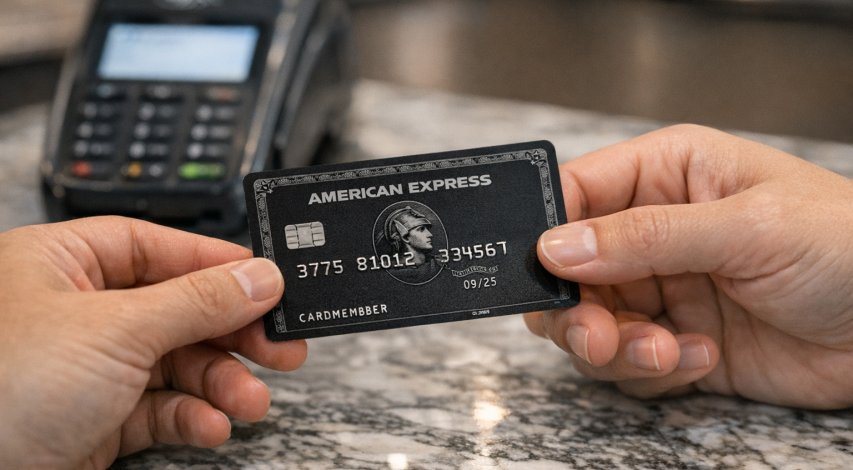
P04 is an American Express reason code and that distinction matters. With Visa or Mastercard, the card network and the cardholder's bank are separate parties. Amex operates as both, which means it works through the chargeback process internally instead of going back and forth between institutions. The result is a slightly more direct dispute process, but the underlying issue - a debit posted as a credit - is the same regardless of the network.
If you process transactions outside the United States, you might see this same dispute filed under reason code 4752 instead of P04 - it refers to the same processing error, just under a different regional classification. Worth learning about if you work across borders and want to connect the dots when chargeback reports come in.
It's also worth being precise about what this code does not cover. P04 is not about unauthorized transactions or billing disputes - it's a processing classification for a mechanical error in how the transaction was submitted - not a disagreement about whether the charge should have happened at all. That narrow definition is actually helpful, because it tells you where to look when you need to respond to one of these disputes.
How a Simple Processing Mistake Triggers a Chargeback
The chain of events that can cause a P04 chargeback usually starts at the point of sale. A terminal misconfiguration, a software glitch, or a manual keying error causes the transaction to post as a credit instead of a debit. The cardholder's account balance goes up when it should have gone down.
From there, one of two things happens. The cardholder notices the discrepancy on their statement and contacts their bank or American Express. Or, in some cases, Amex flags the transaction on its own during scheduled account watching. In either case, a dispute gets opened.
The Fair Credit Billing Act of 1974 gives cardholders the right to do this - it was designed to protect consumers from billing errors - and a charge posted as a credit qualifies as one. That legal backing means the cardholder is well within their rights to dispute it, even if the merchant made an honest mistake.
And honest mistakes do happen more than most know. Payment software updates can introduce configuration bugs. Staff at a busy checkout counter can choose the wrong transaction type under pressure. Some older terminals don't make the distinction obvious. None of these scenarios mean bad intent, but they all produce the same result: a transaction that looks wrong on paper and a cardholder who has every reason to question it.

What makes this particular error tough is the timeline. The merchant might not know anything went wrong until the chargeback notification arrives - by then, the original transaction date could be weeks in the past, and tracking down the records takes extra effort.
It's also worth mentioning that the dispute process moves faster once it starts. American Express sets strict deadlines for merchant responses, and the clock starts from the second the dispute is filed - not from when the merchant opens the notification. A slow response is treated the same as no response at all.
The root cause here is usually a processing error rather than fraud. That distinction matters because it shapes how the merchant should strategize the response. The first step to building a credible case is recognizing where in the transaction flow the error occurred.
What Merchants Need to Know Before Responding
When a P04 chargeback lands in your queue, the clock starts instantly. You have 20 days to respond, and if that window closes without a reply, the dispute resolves in the cardholder's favor automatically. No extensions, no second opportunities.
That 20-day limit can seem tight, and that's also the case if you run a small operation and chargebacks aren't something you work with regularly. The good news is that P04 disputes are usually simpler to fight than other chargeback types, because the evidence you need is transaction-based instead of subjective.
What to Pull Together Before You Respond
Your strongest defense starts with the original transaction record. You want to show what happened at the point of sale - the amount charged, the card used, and how it was processed. Batch reports from that day can also help, because they show the full picture of how transactions were settled.

Terminal logs are worth pulling too. They can confirm if the transaction was processed as a sale or a credit, which goes directly to the heart of what the bank is questioning. The more your documentation tells the story, the less room there is for doubt.
If the Error Was Yours vs. a System Issue
It matters whether a human made the mistake or if your payment terminal had a glitch. If someone on your team entered the transaction incorrectly, your response should acknowledge that and show the corrected records. Banks are not looking to punish honest mistakes - they just need to see that the funds were handled correctly.
If it was a system error, use your processor for help. They can pull technical logs that show the transaction was submitted correctly on your end, which shifts the conversation toward a software or communication failure instead of merchant negligence.
In either case, ignoring the dispute is the one thing you can't do. A P04 chargeback won't resolve itself, and silence reads as an admission that the claim is valid. Even if the situation feels messy or vague, submitting something is always better than submitting nothing. Get your documentation together and respond within that 20-day window - that one step keeps you in the fight.
Common Mistakes That Make P04 Harder to Fight
Even with the right evidence on hand, merchants lose P04 disputes because of how they respond - not because the case was unwinnable. A rushed or incomplete submission can turn a simple credit card reversal into a lost chargeback, so it's worth learning about where things tend to go wrong.
One of the most common problems is submitting records that are incomplete or hard to follow. Amex needs to see a trail from the original transaction to the refund that was processed - transaction IDs, timestamps, and processing records all need to line up. If anything is missing or the timeline doesn't connect, the response loses its footing fast.

Some merchants also confuse P04 with other processing error codes and submit evidence that doesn't address what Amex is actually questioning. P04 is specifically about a charge being processed as a credit, so the response needs to speak directly to how the transaction was entered and what it was intended to be. Generic documentation about a refund policy or customer communication won't do the job here.
P04 is a winnable dispute in a lot of cases. Merchants who assume they have no ground to stand on sometimes don't even try to fight it. That's a missed opportunity when the records are on their side.
| Common Response Pitfalls | Strong Evidence to Include Instead |
|---|---|
| Submitting incomplete transaction records | Full transaction log with timestamps and IDs |
| Using evidence meant for a different dispute type | Processing records that show the transaction type entered |
| Not explaining how the error happened | A brief written explanation of what went wrong at the point of processing |
| Ignoring the dispute because it seems unwinnable | Any documentation that confirms the charge was legitimate and correctly applied |
When merchants are under pressure to respond faster, the facts that matter most are the ones that get skipped. Confirming that every record connects to the transaction in question before hitting submit is the step that makes an actual difference to the outcome.
Keep It Clean - And Keep It From Happening Again
A few helpful steps can go a long way toward keeping these errors from slipping through:
- Audit your terminal and POS settings regularly to confirm that transaction types are mapped correctly and that no configuration changes have introduced processing inconsistencies.
- Review batch reports at the close of each business day so that any misclassified transactions are caught before they are settled and become harder to reverse.
- Train staff on the difference between transaction types - particularly refunds, voids, and sales - so that manual entry errors are minimized at the point of sale.
- Reconcile your records against your processor statements on a consistent schedule to spot patterns that might indicate a deeper system or workflow issue.
Chargebacks can seem overwhelming, and that's especially true when the underlying cause turns out to be a simple processing mistake. The good news is that errors like P04 respond well to early attention. A misprocessed transaction caught quickly - before a customer notices and disputes it - keeps your dispute ratio healthy, protects your merchant account standing, and builds the operational reliability that makes everything else run more easily. Small process improvements today can prevent a lot of headache tomorrow.
FAQs
What does the P04 reason code mean?
P04 is an American Express chargeback code triggered when a transaction meant to charge a customer is mistakenly processed as a credit, sending money to the cardholder instead of collecting it.
Why did a charge get processed as a credit?
Common causes include terminal misconfigurations, software glitches, or manual keying errors at the point of sale that cause a debit transaction to post incorrectly as a credit.
How long do merchants have to respond to P04?
Merchants have 20 days to respond to a P04 chargeback. Missing this deadline results in an automatic ruling in the cardholder's favor, with no extensions granted.
What evidence helps fight a P04 chargeback?
Submit the original transaction record, terminal logs, batch reports, and a brief explanation of how the error occurred. Evidence must clearly show the transaction was intended as a charge, not a credit.
How can merchants prevent P04 chargebacks from recurring?
Regularly audit terminal settings, review daily batch reports, train staff on transaction types, and reconcile processor statements consistently to catch misclassified transactions before they are settled.