 Call (844) NO-DISPUTES
Soft vs Hard Credit Card Descriptors: What’s The Difference?

When a customer makes a purchase, their transaction goes through several steps in the process of being validated, approved, and finalized. Ideally, that process is very fast, so the customer isn’t stuck standing in line waiting for approval and hoping a computer system didn’t crash, or waiting on a website wondering if they need to refresh or if their purchase went through.
Because speed is of the essence, as little data is transmitted as possible to validate that transaction. This means a lot of data relevant to the transaction might be minimized or refer to codes and numbers that banks know, but customers don’t.
Normally, this isn’t a problem. But, depending on how long it takes for a transaction to be processed and closed, sometimes some of that information is visible to a customer. If the customer doesn’t recognize it, that’s a red flag for fraud, and grounds for a dispute and chargeback.
One of these critical pieces of information is the billing descriptor, also known as a credit card descriptor.
Making a simple change to your descriptor can be a shockingly effective way to reduce chargebacks, especially if you’re a business with a long time between orders and fulfillment, or a recurring subscription-based business. But, to understand why it’s so effective, you need to know how it works.
What is a Billing Descriptor?
A billing descriptor is sort of like a screenname or username for your business, that appears in the transaction log on a credit card or bank statement.
When you look at your bank statement and see the list of all of the places you’ve shopped, that list is the list of billing descriptors for those businesses. Netflix, Walmart, Shell; businesses with names you recognize populate that list all the time.
If you see a name you don’t recognize, it’s often a sign of fraud, like unauthorized use of your card or identity theft. However, it might also just be a merchant whose descriptor you don’t recognize.

This frequently happens if a merchant is using the same merchant ID for very different sets of services, and the descriptor they have set for that ID is indicative of one of those services, but not the others.
Billing descriptors are limited to one per merchant ID, and they have to be unique, but they can be changed.
What Are Soft and Hard Descriptors?
Billing descriptors come in several forms. The first is the distinction between soft and hard descriptors.
When a customer makes a purchase that isn’t closed out immediately, it will be listed as a pending transaction. The pending transaction will have a billing descriptor, but that descriptor might not tell the whole story. It’s often a generic descriptor even when a merchant might have dynamic descriptors enabled (more on that momentarily), because it serves as a simple identifier of the source of the transaction.
Soft descriptors usually are only visible for a few hours or a few days, and are related to pre-authorization holds and pending transactions. Once the transaction is fully processed and closed, the soft descriptor is replaced.
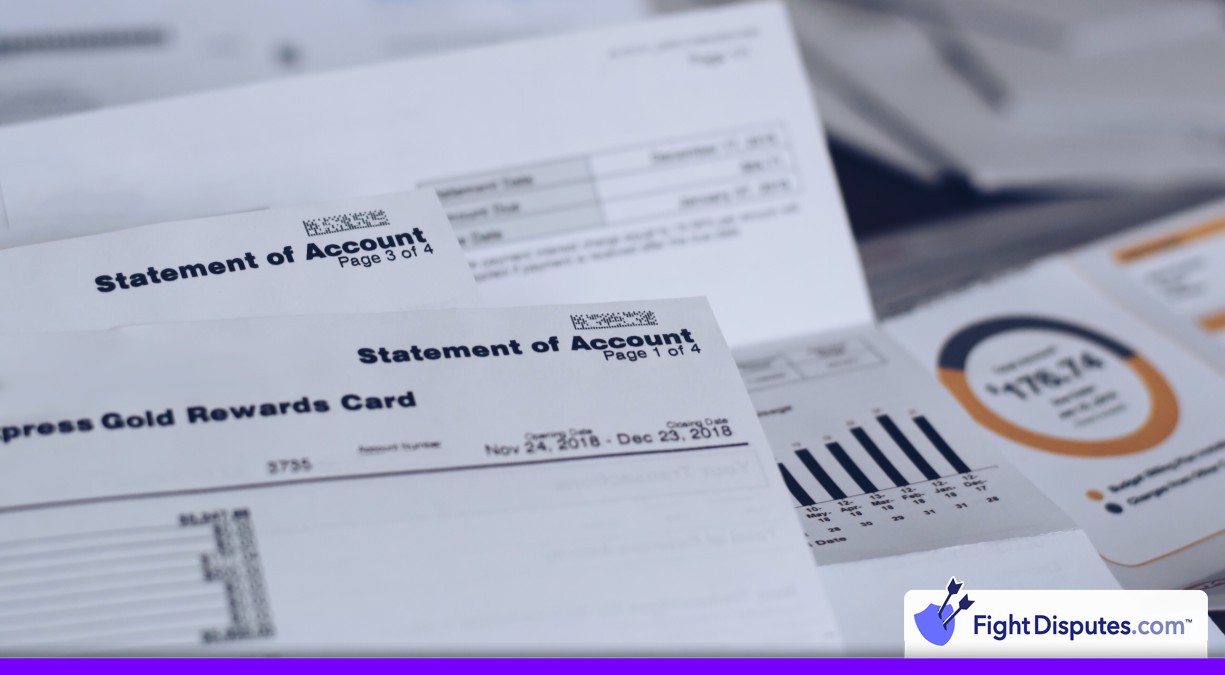
The descriptor that replaces the soft descriptor is, as you can probably guess, the hard descriptor. This is the descriptor that will show up in the credit card statements indefinitely, on the paperwork in mailed statements, and so on.
Some merchants set their soft descriptor and their hard descriptor to be the same. Others use a short, genericized descriptor for the soft descriptor, and a more specific descriptor for the hard descriptor.
For example a department store with a standard retail section and an automotive section might use just the business name as the soft descriptor, but Storename Auto as a specific descriptor for the hard descriptor for purchases made in that department. This added specificity can be helpful to avoid chargebacks for infrequent purchases.
What are Static and Dynamic Descriptors?
Another differentiator is between static descriptors and dynamic descriptors.
Static descriptors are the most common kinds of descriptors, and carry the least information. Typically, they serve only to display the name of the business. When there’s no need for nuance or a specification in the billing statement, a static descriptor is fine.
Dynamic descriptors use modern API technology to inject custom information into each transaction’s descriptor. For example, I could use a dynamic descriptor to specify in the billing statement whether a customer of mine was paying for my dispute alerts or my managed replies, even though both come from the same merchant ID and would otherwise have the same billing descriptor.

This is also a useful solution to the problem mentioned above: where one firm with one merchant ID is doing business under different names with different kinds of products. Normally, the misalignment would lead customers of the unaligned brands to question the validity of the transaction. With dynamic descriptors, the individual sub-brand can be specified with the transaction so the information is there.
A typical billing descriptor only has a small amount of space in the credit card statement to use to add information. Most descriptors include the business name, potentially some address information (especially for franchises), and the phone number of the business.
However, a full billing descriptor can include more information. For large box stores like Walmart or franchises like Walgreens, you often see the store number. For any transaction processed using Square, the transaction is prefaced with “SQ”. If you buy something through Etsy, it may show up just as Etsy with their phone number. Others have a business ID. Much of this can be what is specified by the dynamic descriptor.
What are Shortened Descriptors?
With dynamic descriptors, generally some part of the descriptor (like the base merchant name) is kept the same across all of the possible options, while the remaining details are dynamically added via API.
The small static portion of the dynamic descriptor is the shortened descriptor. It’s also known as the prefix.
Why a Good Billing Descriptor is Essential
It’s very important to have a clear billing descriptor, because the lack of clarity is one of the main reasons why friendly fraud happens.
Think about it from the perspective of a customer. There are a lot of reasons why you might make a purchase and then forget about it.
- Maybe it was a gift, so you “fire and forget” the purchase and don’t think about where you ordered from.
- Maybe it’s a once-off annual purchase from a brand you don’t usually engage with.
- Maybe you’re shopping from small stores or local markets instead of big-name box stores or Amazon.
There can also be instances where you shop through a big store but were actually buying through a marketplace, such as what Walmart’s online store does, or Etsy’s vendors. You might expect one name, but encounter another.

Either way, if you see a transaction on your credit card statement and you don’t recognize it, you’re going to wonder. Was that a purchase you actually made and forgot about? Or is it a sign that your card information was leaked in a data breach, captured by a card skimmer, or stolen by thieves?
If you can’t figure out where the transaction came from, you may issue a dispute and hope for the chargeback. Along with closing your card and getting a new one reissued, and possible all the other hoops like freezing credit and more, it can become a huge hassle.
All of this, because you don’t recognize the name on a credit statement.
A name that the merchant can set.
Like I said at the start; it’s shockingly important to have a good billing descriptor to cut down on chargebacks dramatically. It can be the difference between being above or safely below the ever-important 1% threshold.
How to Create a Good Billing Descriptor
So, what should you do to set a good billing descriptor? What information do you include? Should you opt for a dynamic descriptor, or is a static descriptor good enough?
#1: Use the name your customers will recognize. It doesn’t matter if the name on your business paperwork identifies you as Northwestern Fruit and Vegetables Incorporated, if people shopping at your stand see Judy’s Fruits, they expect to see Judy’s Fruits on their credit card statements.
This is extremely common. A great example is that the official business name of the Disney Store is DCPI: Disney Consumer Products, Incorporated. You can bet people are going to wonder what DCPI is on their statements, but will be fully cognizant of The Disney Store.
This also helps if you ever have to change the underlying business name, but not your public branding. If your business is acquired by or merged with another, but your brand is kept, keeping the brand name in the billing descriptor is critical for continuity.
#2: Leave out unnecessary information. It can be tempting to include as much information as possible to ensure that questions can be answered, but there’s only so much space you have to fill out a descriptor. With only 20-25 characters available, wasting some on acronyms, no-context numbers, and other non-information doesn’t help your customers.

Now, that information might be beneficial if you have to field questions about transactions through customer service. But, that may also be a sign that there’s something else wrong with your descriptor, if enough people are coming to you to question it.
#3: Only include location if you’re a physical business. If you’re a local vendor at a small storefront, people who don’t frequently shop with you might not remember they did, but when they see the location, they’ll remember they visited. This is especially relevant for shops that cater to tourists and infrequent visitors.
Conversely, if you’re an online business and include your location, it can spur more questions. If a customer doesn’t recognize your brand name, seeing California when they live in Florida is further going to make them think that their card was being used without their permission.
Instead, consider including your business website domain name, if that domain name is different than the brand name you use. Netflix probably doesn’t need to also include Netflix.com in their descriptor, but a smaller company might find it beneficial.
#4: Consider including your customer service phone number. Ideally, your descriptor should be clear enough that it shouldn’t spur on a customer service inquiry. It also shouldn’t be the only way people can find your customer service number; they’ll be looking at your site long before checking their billing statements. But, having the number right there can be handy.
The good news about including your phone number is that it can be added to the second part of the descriptor through most systems, so it doesn’t take up 10 of your 25 characters.
If you ever have to change your customer service phone number for any reason, make sure to update your billing descriptor as well, otherwise a scammer could take over the lost phone number, which would be devastating.
Should you use a dynamic billing descriptor?
Generally speaking, using a dynamic billing descriptor allows you more flexibility to be accurate with your descriptor, which will help reduce chargebacks.
However, it might not be relevant. If your business really only has one product or service, there’s no reason for a dynamic descriptor. To use them as an example again, Netflix is Netflix; even if you have a different tier of service, it’s not like it’s going to make people question whether or not they have a Netflix subscription. There’s no reason for them to use a dynamic descriptor.

Some people advocate for specifying products in the descriptor. They use examples like a bike store using a dynamic descriptor for the product, so a person buying a tire and a person buying a helmet would have different descriptors. This is fine, but it’s largely not necessary, and can run into issues with customers who buy multiple items.
How to Change Your Billing Descriptor
So, how do you actually make this change?
The specific process will depend on the company you use to process transactions.
- TSYS or EVO users via Authorize.net can add information to API requests using mercantDescriptor.
- Stripe users can change information in the Public Details section of their Business Settings.
- Square users can change business information in their dashboard.
- PayPal users can change information from their console.
Each different processor will have their own steps, but most of them make it easy. The specific format of dynamic information and wildcards can also vary, so be sure to read their documentation or talk to their customer service.

Don’t forget to run a test transaction when you change this information. It should, in most cases, change in real time, so you can validate that it works and displays the way you want it to.
Once you’ve optimized your billing descriptor, you’ll be able to see how it cuts down on chargebacks. Then, if you need more help keeping that number down, check out my proactive dispute alerts service to further prevent chargebacks from harming your business.