 Call (844) NO-DISPUTES
What is Credit Card Pre-Arbitration?
Credit card pre-arbitration is your final chance to resolve a disputed charge before the card networks step in with an expensive arbitration. Pre-arbitration is the phase that kicks in after representment fails to convince the issuer to reverse the chargeback and gives you one more opportunity to present evidence and make your case without the high fees that formal arbitration has.
Pass this point and enter arbitration, and you’re looking at fees that can reach hundreds of dollars just to have your case heard. At that stage, the card networks will make a final call that you can’t appeal. Lose, and the money is gone forever.
Pre-arbitration is worth paying attention to because you can still introduce new evidence at this stage. Let’s say that you found extra proof of delivery or came across some communication from the customer that strengthens your position. The issuer has to review everything you submit and rethink their stance on the dispute. This negotiation happens directly between you and the issuing bank and it means you still have some control over the outcome.
This part of the dispute process matters. But a lot of merchants skip right over it. Miss it or do it poorly, and you’re giving up on that revenue. Plenty of merchants don’t know that they can do this at all. Lots of merchants believe that once representment fails, the money is lost and there’s nothing else they can do about it. Pre-arbitration exists specifically to give each side one more chance to work it out before bringing in the card networks for a formal arbitration process.
How It Works
After you’ve already gone through representment and the cardholder still isn’t satisfied with the outcome, there’s another stage called pre-arbitration. At this point the cardholder has the opportunity to dispute your response for a second time and present new evidence to support their claim. Your payment processor will send you a message that the pre-arbitration has officially started.

What frustrates many merchants about this stage is that their original evidence from representment doesn’t automatically settle the dispute. The cardholder can submit more documents or information they didn’t include before. They may have found a new receipt, or they may have remembered another detail about the transaction that they want to share. The card network will review all this new information to see if it changes their position on the dispute.
Merchants also get another opportunity to respond during this phase. You should use this time to counter whatever new evidence the cardholder has provided. The deadline is usually around 30 days for you to collect your documentation and submit your response. Missing that deadline means you automatically lose the case and there are no exceptions to this requirement.
One common mistake that many merchants make is to resubmit their old evidence from the representment. That won’t help. The response needs to specifically respond to the new points that the cardholder raised and each side needs to respond directly to what the other side has just presented.
When neither side is willing to back down after this exchange, the dispute moves forward to arbitration and that’s when the process gets expensive and difficult.
How it Affects Chargeback Prevention
Pre-arbitration matters because it directly changes how much money stays in your bank account. When a customer disputes a charge and you lose that first round, you’re looking at a permanent loss of that sale revenue. On top of losing the sale, you also have to pay the chargeback fees.
The fees alone add up. If a case goes to arbitration, you could pay $500 or more just for the card network to review it, and that’s on top of the money you already lost from the original transaction. Pre-arbitration gives you one last chance to dodge that massive fee while you still have a shot at recovering your revenue.
Card networks like Mastercard now make merchants go through pre-arbitration for some types of disputes. They made this mandatory back in 2021 and that means you can’t skip it anymore and hope for the best.
What most merchants don’t know is that every pre-arbitration case teaches you something about why your first response failed. Maybe your evidence wasn’t strong enough, or maybe you missed a requirement in your records. But if you track these patterns over time, you start to see where your defense strategy needs the most improvement.

Pre-arbitration gives you a second opportunity to present the evidence that proves that the transaction was legitimate. You could have some new records available by this point, or you might just have a better way to explain what actually happened during the original transaction.
Example Scenarios
Cardholders usually have more time to collect better evidence after they lose the first round. Maybe they finally check their security cameras. Maybe they know that their teenager used the card without permission. In any case, that new police report or fraud affidavit can change the outcome of your dispute, and not in your favor.

Authorization errors create a different headache. Think about a scenario where you accidentally process a payment twice for $850. But you only catch the one duplicate in your records. You win the first dispute by showing a valid authorization code. Pre-arbitration hits shortly after because the customer found their bank statement and spotted the two charges. Your incomplete documentation from three months ago is going to cost you the case and fees and there’s not much you can do about it at that point.
Policy disputes can be just as frustrating when they escalate. A customer orders a custom product worth $2,200 and later claims that they never agreed to your no-return policy. You win the first time with your invoice and the shipping proof. During pre-arbitration, they argue that your terms weren’t visible at checkout. If you don’t have screenshots from that exact date, you’re stuck making a choice between eating the loss or spending another $500 on arbitration with no guarantee that you’ll win.
Requirements and Timeframes
Credit card issuers are very strict about deadlines and there’s not much wiggle room for pre-arbitration cases. When it arrives, you have 30 days to get your response in. Missing that window means the dispute is lost – there aren’t any exceptions or opportunities to try again.
The requirements actually became more restrictive in 2021 when Mastercard chose to make pre-arbitration mandatory for some of the dispute types. What this actually means for merchants is that you can’t jump straight to arbitration anymore if you run into those particular reason codes. Pre-arbitration has to happen first, and it’s mandatory.
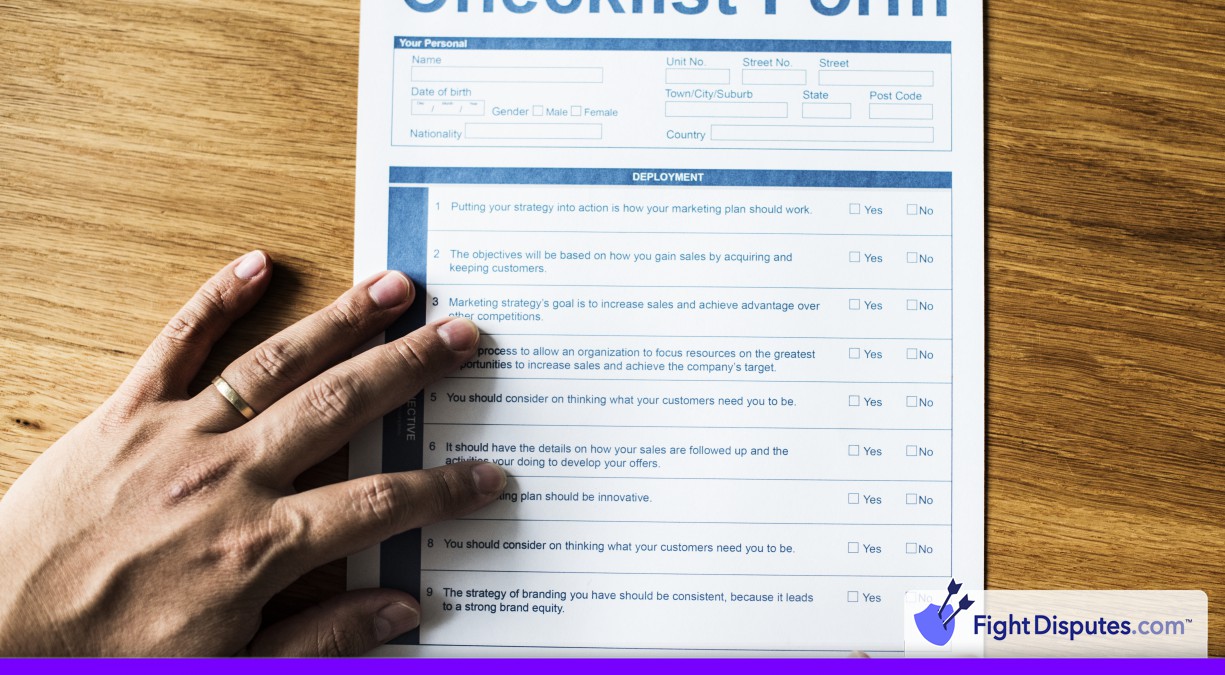
Your documentation has to be thorough and strong if you want any chance of a favorable outcome. Every original transaction record should be kept on file, and you’ll have to be able to show that the delivery actually occurred. Customer emails and message logs should also be saved and organized. Card networks are going to want to see legitimate evidence that supports your version of the events.
The biggest challenge with pre-arbitration comes from the type of evidence you can pull together. When attempting to reverse a ruling that has already gone against you, you’ll need to present new information. The evidence has to directly contradict or challenge the claims that the card issuer made. You can’t simply reframe the same arguments differently – that won’t be enough to change the outcome.
Another complication is that each card network operates with their own set of guidelines and procedures. A strategy that does the job for Visa disputes might not be acceptable to American Express. Every network has its own timeline and particular requirements that have to be followed. This variation makes it hard for you to develop a single, standardized process that works across all your disputes.
Frequently Asked Questions
What's the difference between pre-arbitration and second chargeback?
You might hear your payment processor call this a "second chargeback" instead of a pre-arbitration. These different names can throw you off at first. But they refer to the exact same process. The phrase "second chargeback" is older language that some payment processors have continued to use over the years, and plenty of them still like it better.
Card networks have been slowly moving to "pre-arbitration" as the official name for this stage of the dispute process. The change has been slow though and it hasn't quite reached every processor in the industry yet. Your processor might stick with the term that they've been going with for years. Regardless of which term shows up on your notification, the fees are the same and you have the same tight deadlines to respond.
Plenty of merchants want to know if pre-arbitration counts as a brand new dispute or if it just continues the original chargeback. Pre-arbitration picks up where that first chargeback left off - the one that you already fought and submitted evidence for. The customer wasn't satisfied with the evidence that you provided the first time around so they're pushing back again through their issuing bank.
This distinction matters because you can't submit the same response documents and hope for different results this time. The issuing bank already reviewed that evidence in the first round and rejected it. You'll need to bring something fresh and convincing to the table or you might as well accept the loss and move on.
Whether your processor labels it as a "second chargeback" or "pre-arbitration" on your statement, you'll have to treat it with the same level of urgency. The fees are going to hit your account in the same way. The deadline to respond stays just as short and strict. And your odds of winning will drop quite a bit compared to that first round of the dispute.
Who can initiate pre-arbitration?
Either side can start this process after representment is done. Your issuing bank will usually be the one to start it when they review the evidence and think it's not strong enough to prove your case. This actually happens a lot.
You can also initiate pre-arbitration yourself if you lose at the representment but then discover new evidence to support your case afterward. Maybe a delivery confirmation finally shows up in your records, or you find security footage that you missed the first time around. Your bank can help you get the process started if you have something strong and concrete to work with.
The best strategy is to stay in close contact with your bank if you want to go in this direction. They already know the system inside and out, and they can tell you if your new evidence is actually worth the time and effort. You don't have to accept whatever ruling comes down from the representment.
You have just as much right to challenge the decisions as the banks do. The process works two ways, and you can push back when you have legitimate proof on your side.
What happens if I don't respond to pre-arbitration?
Ignoring a pre-arbitration alert means you're going to lose the dispute - there's no way around it. The card network is going to side with the cardholder by default, and you won't get that revenue back.
Every time you lose one of these disputes, your chargeback ratio gets worse. Rack up enough losses and you might end up in a tracking program that comes with extra fees and all kinds of restrictions. Plenty of merchants believe that the whole process is over once they send in their representment documents. In their mind, they've already explained everything, so they don't see the point of sorting through more paperwork. But pre-arbitration is actually a second opportunity to defend the transaction and prove your case.
The costs can pile up very quickly if you don't respond to one of these alerts. At first you lose the original transaction amount along with the chargeback fee. On top of that, your processor might hit you with extra penalties. If your chargeback ratio climbs high enough, your monthly fees could get higher. In the worst cases, some processors will freeze your funds or shut down your account if the situation doesn't improve.
When you fail to respond to pre-arbitration, you're accepting liability for the dispute. The card networks are going to interpret your silence as a confirmation that the customer is right about everything. Responding gives you at least a chance to win and actually keep your money. Yes, it takes time to pull together the documents and write up your response. But putting in that work is always better than losing by default.
How much does pre-arbitration cost?
Pre-arbitration does have some fees attached to it, and these are costs to factor in before you file a case. The first filing fee is actually pretty low for most of the merchants - you're looking at between $15 and $50 in most cases. Compare that to what a full arbitration case will run you (which can go over $500), and it seems like a solid deal.
The fee structure gets a little more complex when you look at what happens after you file, though. Winning your pre-arbitration case means you'll usually only be responsible for that first filing fee. But if the case doesn't go in your favor, you're going to be responsible for the disputed transaction amount and the fees that came with it. What this actually means in practice is that a $200 chargeback dispute could cost you $250 or more when all is said and done if you lose the case.
Different payment processors and card networks all have their own fee schedules for this process. Visa has one set of fees, Mastercard has another and then your payment processor will usually add their own fees on top of that. Each one of these entities might charge you something different, so it pays to look up the exact fees that apply to your situation before you move forward with pre-arbitration.
It can take a few hours of focused work to pull together your supporting documents, organize everything into a coherent case and submit it properly. On top of that, every chargeback you receive changes your chargeback ratio, and if that ratio climbs too high, your payment processor might start giving you some grief about it later. For smaller transaction amounts, it makes more financial sense for you to eat the loss instead of fighting each and every dispute that comes your way.
Can pre-arbitration be avoided?
Once pre-arbitration starts, you're locked into the process - there's no way to back out at that point. What you can do though is to take some steps ahead of time before you ever get there. Your best defense against pre-arbitration is to build a bulletproof representment response right from the start. That means you'll have to collect all of the evidence that supports your case and include it all in your first chargeback response. When your first documentation is strong and persuasive, you're removing any legitimate reason for the other party to push the dispute into pre-arbitration territory.
One point to remember - Mastercard actually made pre-arbitration mandatory for some dispute types back in 2021. What this actually means for you is that fraud disputes and authorization disputes will automatically move through this stage no matter how strong your documentation happens to be. This policy change forced a lot of merchants to rethink these more carefully, especially when you weigh if it makes financial sense to fight through the entire process with evidence that could be shaky or incomplete.
At least pre-arbitration does give each side one more opportunity to settle matters before the costs start to pile up in formal arbitration. A lot of disputes actually get resolved at this stage because the parties can see that the fight might cost more than the original transaction was even worth. Sometimes the best business call that you can make is to just accept some chargebacks rather than chase them through every level of dispute resolution available to you.
When you work through these complicated dispute situations from the beginning to the end, the right tools and processes can make a massive difference in your results.